%2Ffit-in%2F250x250%2Fguide_websites%2F1868%2Fimages%2F17497947853731739775598397image4.jpeg&w=1920&q=100)
Mahi Mahi Fishing Trips in Florida City FL
Backcountry Mahi Mahi Fishing in Florida City, Florida
%2F%2Fusers%2Fa79adb74-76a3-42fb-9008-e47f78bc9b1b%2Fimages%2Fmahi-mahi-fishing-florida-city-11785.png&w=1920&q=75)
Mahi Mahi Vibrant backcountry predator - Member of Perciformes order, Coryphaenidae family. - Typically ranges from 40-83 inches in length. - Weighs between 15-30 pounds in this region. - Known for dramatic color changes when caught.
Guided Fishing Trip by Instructor Ray Shetty in October
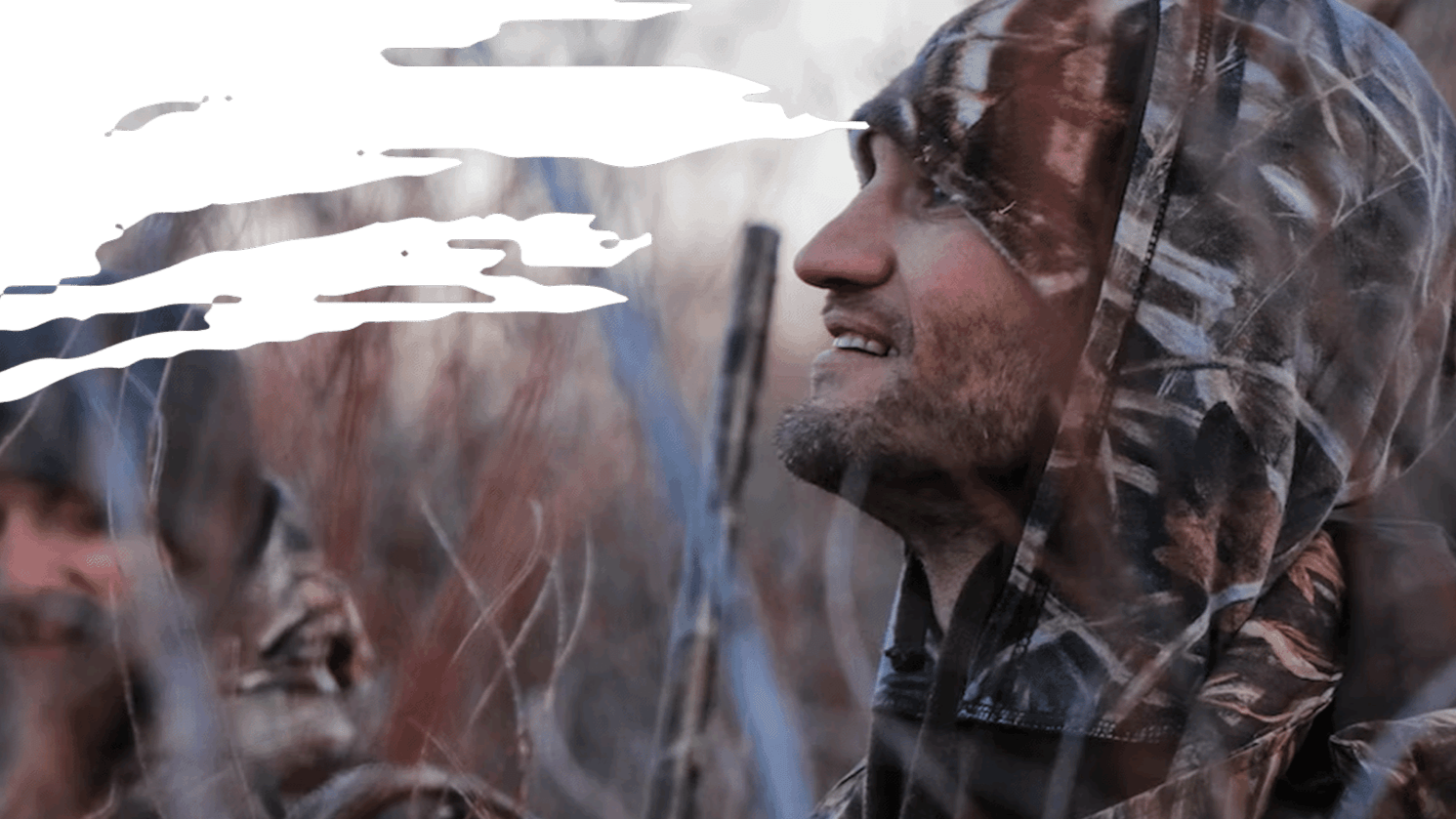
Meet your Instructor Ray Shetty
- Lorem Ipsum


Summary
Experience the thrill of backcountry fishing in Florida City as you target the vibrant Mahi Mahi (Dolphinfish) in the productive Kaveri River Basin. With local guide Ray Shetty, you'll access prime fishing spots where these colorful gamefish thrive among structure and current breaks. The fall season offers excellent opportunities with partly cloudy skies and changing weather patterns creating ideal conditions for these pelagic predators. Our guided trips adapt to daily conditions, putting you on fish whether you're an experienced angler or new to the sport. The distinctive blue and green colors of Mahi Mahi make for memorable catches and photos, with the fish displaying their famous light show of changing colors when brought aboard. Ray's local knowledge ensures you're fishing the most productive waters where these prized fish congregate throughout the season.
Fishing Charter with Ray Shetty – Rates & Booking
Book your backcountry fishing adventure in Florida City with Ray Shetty for a day targeting the beautiful Mahi Mahi that frequent these productive waters. Ray's intimate knowledge of the Kaveri River Basin and surrounding areas ensures you'll be positioned for success, even as weather patterns change. His backcountry expertise allows him to locate structure and current breaks where these colorful gamefish tend to congregate. This trip accommodates single anglers with appropriate tackle and techniques specifically suited for Mahi Mahi in these unique conditions. Whether you're an experienced angler or trying backcountry fishing for the first time, Ray provides the guidance needed for a productive day on the water. Check available dates and secure your spot online to experience some of Florida City's finest fishing opportunities.
Local Species Insights: Mahi Mahi
The Mahi Mahi (Coryphaena hippurus), also known as dolphinfish or dorado, is one of the most visually stunning gamefish you'll encounter in Florida City waters. These fish are renowned for their spectacular display of colors – brilliant blues and greens on their backs and sides with golden highlights that create a kaleidoscope effect, especially when excited. In the backcountry areas of Florida City, Mahi typically range from 15 to 30 pounds, though larger specimens are possible. What makes these fish particularly exciting is not just their vibrant appearance but also their aggressive feeding behavior and acrobatic fights. Mahi are opportunistic predators that respond well to various presentations, making them accessible to anglers of different skill levels. They often travel in schools around structure where baitfish congregate, which is why Ray targets specific areas in the Kaveri River Basin where current breaks create ideal feeding zones for these pelagic hunters. Fall is an excellent season to target Mahi in this region as changing weather patterns can concentrate these fish in predictable areas.
Plan Your Fishing Day
Your backcountry fishing trip with Ray Shetty typically begins in the morning to take advantage of optimal Mahi Mahi activity, though midday runs can be productive as well, as demonstrated on recent trips. Bring sun protection, polarized sunglasses, and weather-appropriate clothing as Florida City's conditions can change throughout the day. All fishing tackle and bait are provided, specialized for targeting Mahi Mahi in these unique backcountry waters. Trips can be customized based on your experience level, with Ray offering helpful guidance for beginners while also accommodating experienced anglers looking for specific challenges. The backcountry fishing approach used allows for flexibility as conditions change, ensuring the best possible chance at success. Remember to bring a camera to capture the stunning colors of your Mahi Mahi catches, which make for memorable photos and stories. Advance booking is recommended, especially during peak fall fishing season when availability becomes limited.
Fishing in Florida: Mahi Mahi or Common Dolphinfish