%2Ffit-in%2F250x250%2Fguide_websites%2F1868%2Fimages%2F17497947853731739775598397image4.jpeg&w=1920&q=100)
//users/a79adb74-76a3-42fb-9008-e47f78bc9b1b/ratecard/istockphoto-1413485025-170667a.webp)
%2Ffit-in%2F300x300%2Fusers%2Fa79adb74-76a3-42fb-9008-e47f78bc9b1b%2Fratecard%2Fistockphoto-1413485025-170667a.webp&w=256&q=75)
%2Ffilters%3Aformat(webp)%2F300x300%2Ff6a57886-f843-478b-ac43-c1c05317a8f3%2Freport%2Fsocial%2Fimages%2Freport%2Fstriped-bass-fishing-boat-jacksonville-2452.png&w=256&q=75)
%2Ffilters%3Aformat(webp)%2F300x300%2Ff6a57886-f843-478b-ac43-c1c05317a8f3%2Freport%2Fsocial%2Fimages%2Freport%2Fspeckled-trout-catch-jacksonville-fishing-6226.png&w=256&q=75)
%2Ffilters%3Aformat(webp)%2F300x300%2Ff6a57886-f843-478b-ac43-c1c05317a8f3%2Freport%2Fsocial%2Fimages%2Freport%2Fsilver-fish-school-jacksonville-adventure-11912.png&w=256&q=75)
%2Ffilters%3Aformat(webp)%2F300x300%2Ff6a57886-f843-478b-ac43-c1c05317a8f3%2Freport%2Fsocial%2Fimages%2Freport%2Fsea-turtle-swimming-jacksonville-adventure-9536.png&w=256&q=75)
%2Ffilters%3Aformat(webp)%2F300x300%2Ff6a57886-f843-478b-ac43-c1c05317a8f3%2Freport%2Fsocial%2Fimages%2Freport%2Fscuba-diving-jacksonville-underwater-adventure-2540.png&w=256&q=75)
%2Ffilters%3Aformat(webp)%2F300x300%2Ff6a57886-f843-478b-ac43-c1c05317a8f3%2Freport%2Fsocial%2Fimages%2Freport%2Fscuba-diving-adventure-jacksonville-underwater-6619.png&w=256&q=75)
%2Ffilters%3Aformat(webp)%2F300x300%2Ff6a57886-f843-478b-ac43-c1c05317a8f3%2Freport%2Fsocial%2Fimages%2Freport%2Fscuba-diver-underwater-jacksonville-adventure-10031.png&w=256&q=75)
%2Ffilters%3Aformat(webp)%2F300x300%2Ff6a57886-f843-478b-ac43-c1c05317a8f3%2Freport%2Fsocial%2Fimages%2Freport%2Fsailfish-fishing-boat-jacksonville-catch-11221.png&w=256&q=75)
%2Ffilters%3Aformat(webp)%2F300x300%2Ff6a57886-f843-478b-ac43-c1c05317a8f3%2Freport%2Fsocial%2Fimages%2Freport%2Fred-lionfish-catch-jacksonville-adventure-3866.png&w=256&q=75)
%2Ffilters%3Aformat(webp)%2F300x300%2Ff6a57886-f843-478b-ac43-c1c05317a8f3%2Freport%2Fsocial%2Fimages%2Freport%2Frainbow-trout-catch-jacksonville-fishing-5480.png&w=256&q=75)
World-Class Flats Fishing at Butter Beach

 Florida Public Library, 4 Cohen Cir, Florida, NY 10921, United States
What you will be catching:
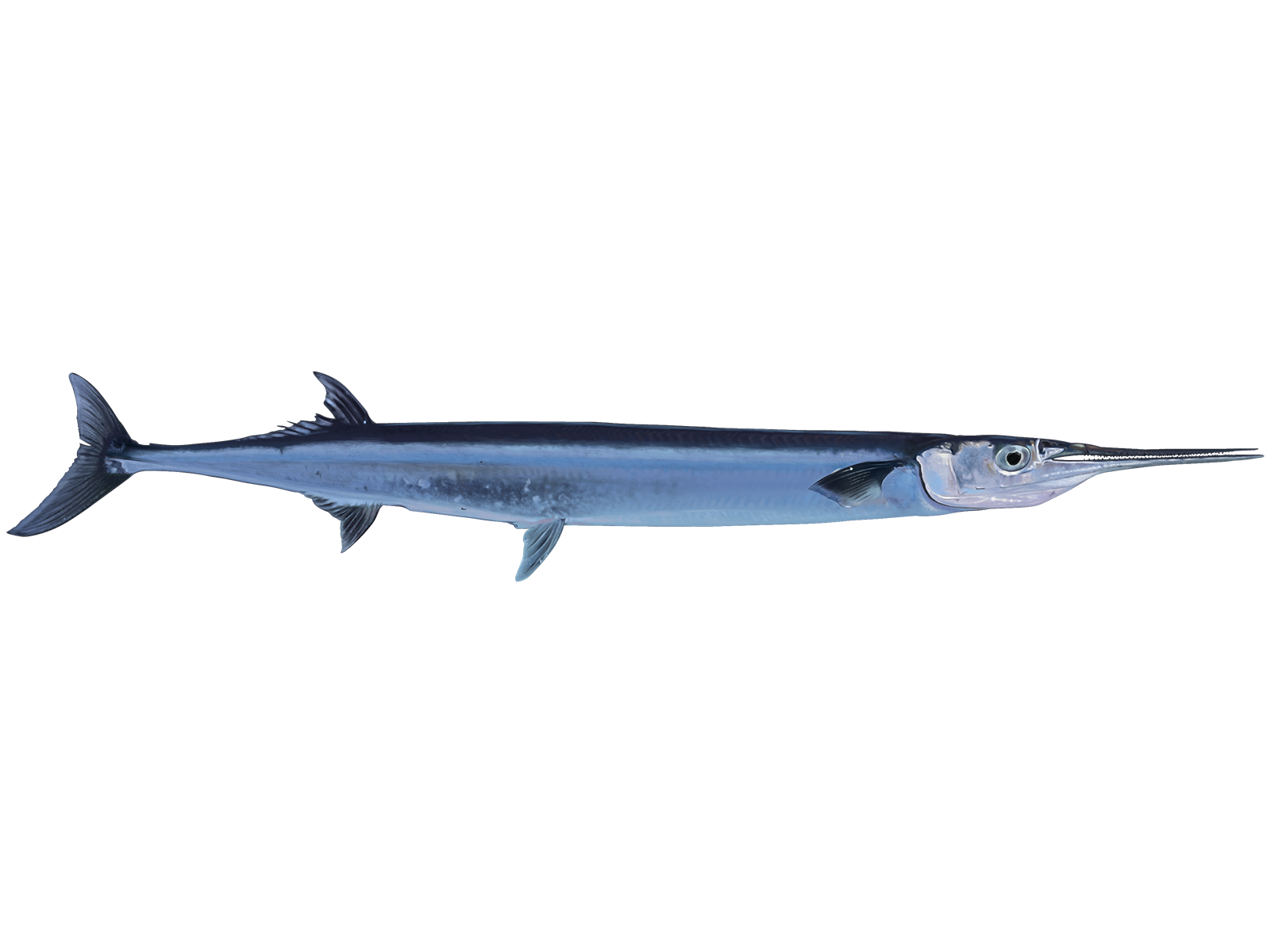 Agujon Needlefish
 Albacore Tuna
- Agujon Needlefish
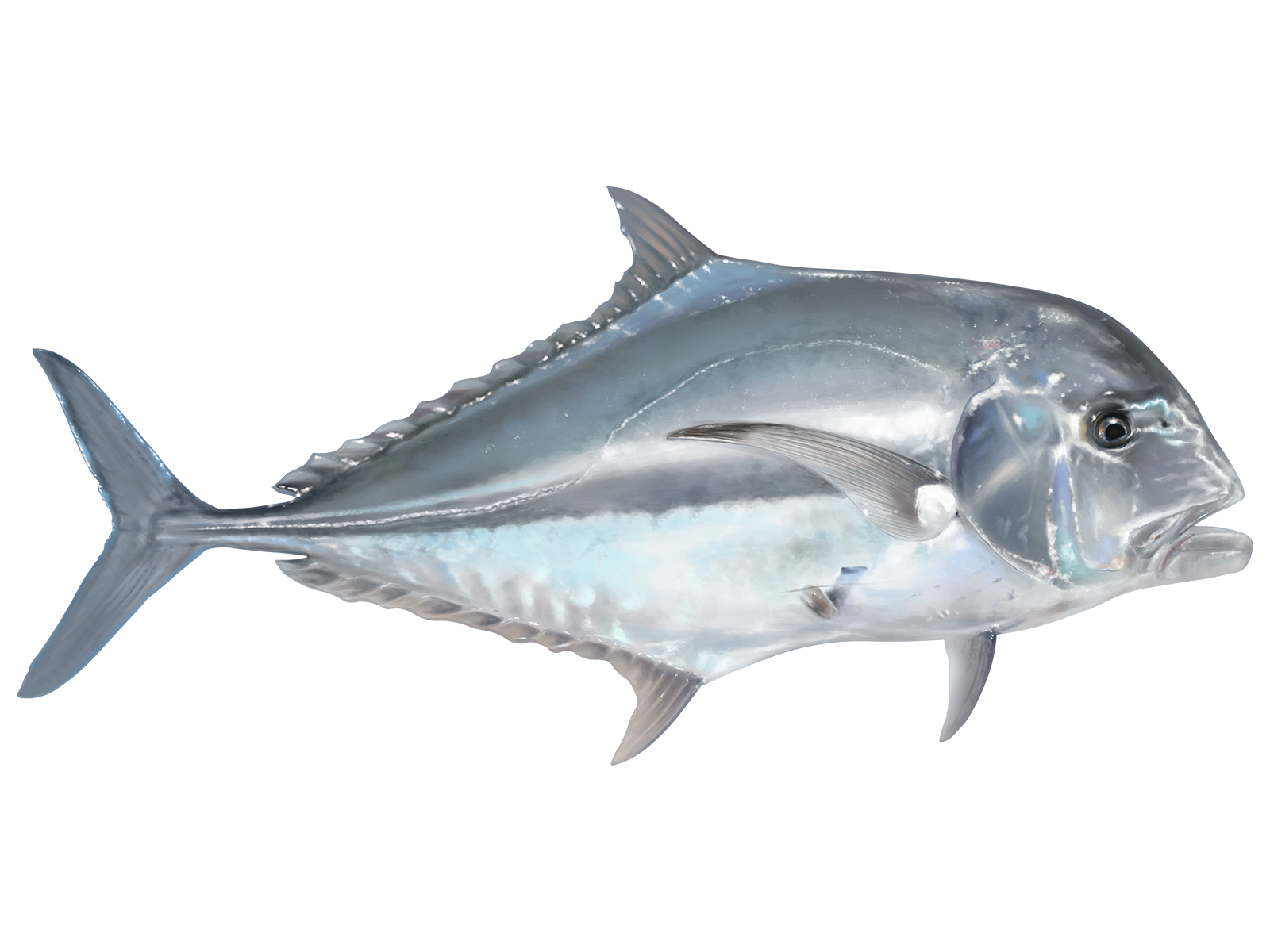 African Pompano
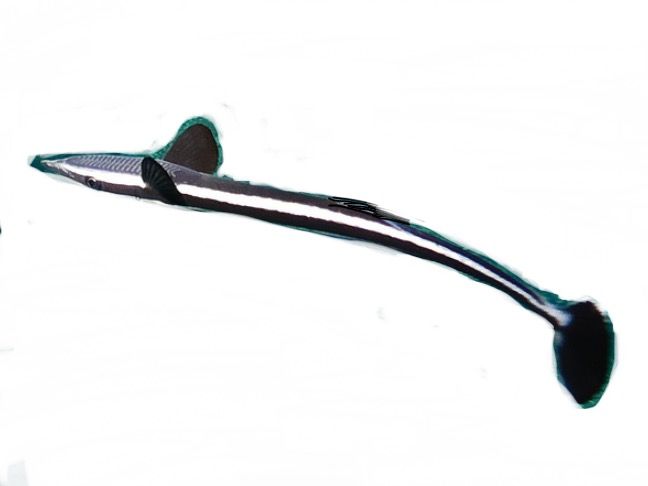 Live Sharksucker
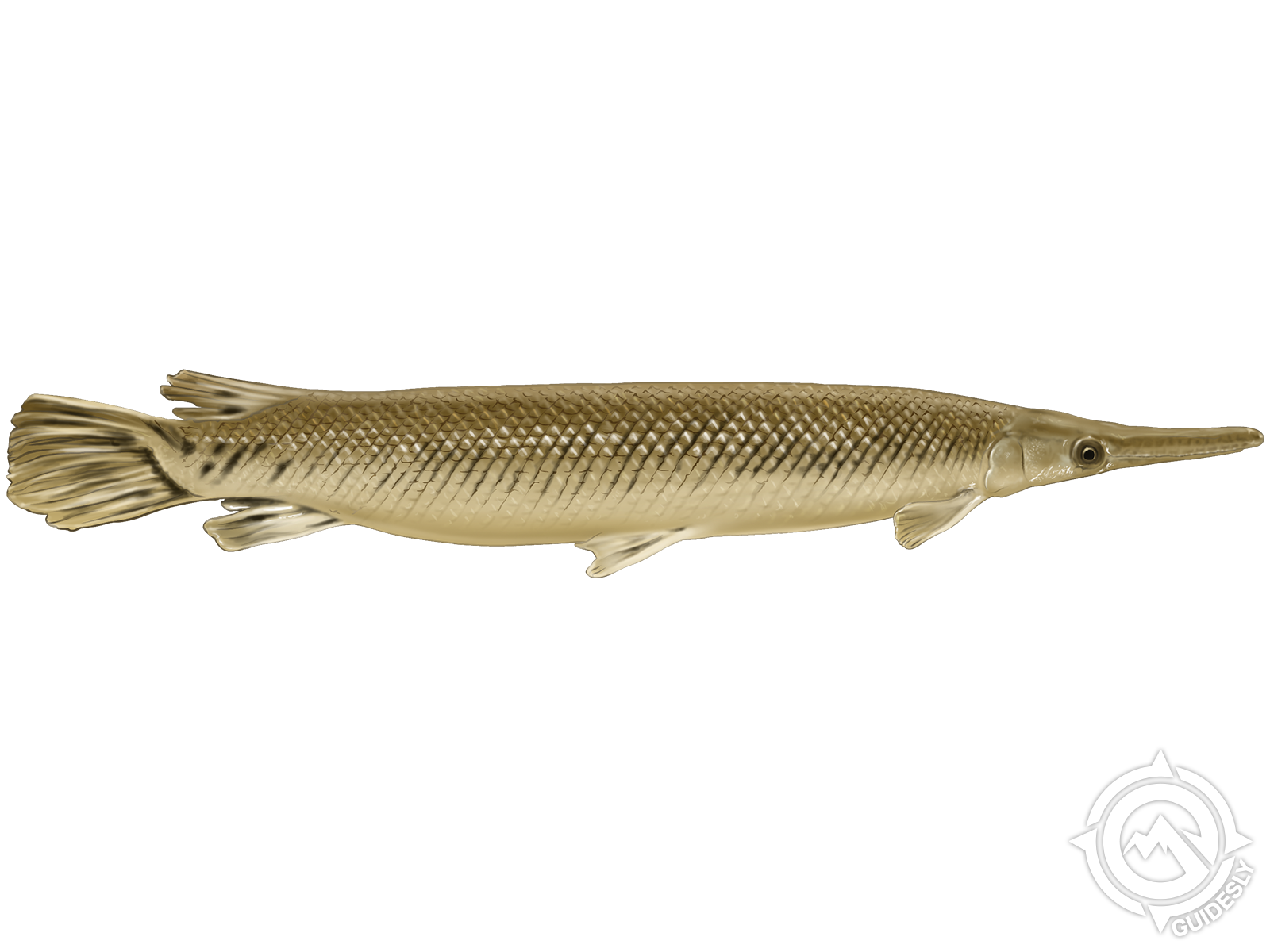 Alligator Gar
 American Gizzard Shad
 Atlantic Halibut
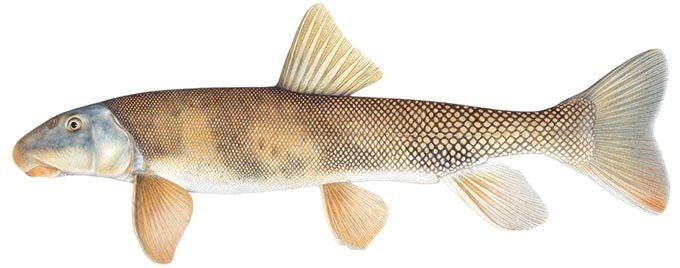
 Flannelmouth Sucker
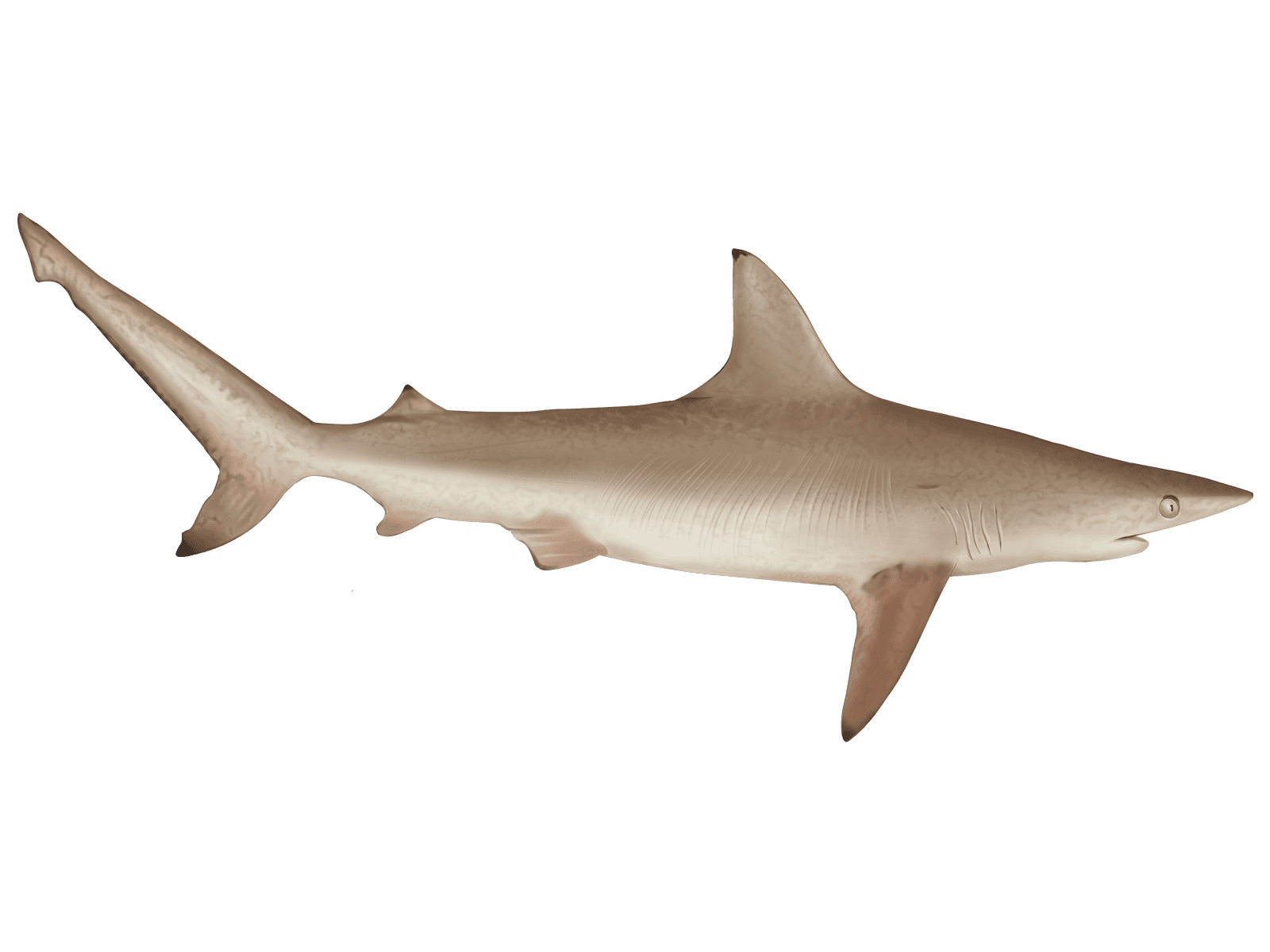
 Blacktip Shark
 Atlantic Croaker
- Join Captain Ray for an authentic flats fishing experience at Butter Beach, where shallow waters hold some serious fish. This intimate trip takes just three anglers, so you'll get plenty of personal attention whether you're learning to sight-cast or already know your way around a fly rod. The flats here are perfect for stalking redfish, snook, and tarpon in crystal-clear water where you can actually see your target before you cast. Ray knows these waters like the back of his hand and will put you on fish while teaching you to read the water and spot feeding opportunities. Great for beginners wanting to learn or experienced anglers looking to dial in their flats technique.
Trip Pricing and Availabilities :
Butter Beach Flats Fishing with Ray Charters
When you're looking for a solid flats fishing adventure that delivers both action and learning, this Butter Beach trip with Ray Charters hits all the marks. We're talking about a full-day experience that takes you into some of the most productive shallow water fishing grounds, where the variety of species will keep your rod bent and your adrenaline pumping. With room for up to three anglers, this isn't a cattle boat situation – you get personal attention, quality instruction, and the kind of fishing stories you'll be telling for years. Plus, we've got you covered with breakfast, lunch, and dinner, so you can focus on what matters most: getting your line wet and landing fish.
What to Expect on the Water
This flats adventure is all about versatility and opportunity. We'll be working the shallow waters around Butter Beach, targeting everything from aggressive predators to bottom dwellers that'll test your skills. The beauty of flats fishing is the visual aspect – you're often sight-casting to fish you can actually see, which adds a whole new dimension to the experience. Ray knows these waters like the back of his hand, and he's got the patience to teach beginners while still challenging experienced anglers. The boat is set up specifically for flats work, with a shallow draft that lets us get into spots bigger vessels can't touch. You'll learn proper casting techniques, how to read the water, and what different species are looking for in terms of bait and presentation. The day flows naturally from spot to spot as we follow the tides and fish activity.
Gear Setup & Techniques
We'll be using a mix of light to medium tackle depending on what we're targeting. For the smaller species like croakers and suckers, we'll go with lighter setups that let you feel every bite and enjoy the fight. When we're after bigger fish like albacore tuna or sharks, we'll step up the gear to handle the power. Ray provides all the essential tackle, but if you've got favorite rods or reels, feel free to bring them along. The techniques vary throughout the day – we might start with live bait presentations for the tuna and sharks, switch to bottom rigs for the croakers and gizzard shad, then move to surface presentations when the needlefish and pompano get active. You'll learn how to adjust your approach based on tide, time of day, and fish behavior. The flats environment means we're constantly adapting, which keeps things interesting and educational.
What Anglers Are Saying
"Our trip has proven to be one of the most memorable one. We enjoyed a lot. Guide was friendly and knowledgeable. Since we do not have much experience in fishing, guide told us so many tricks. One thing is for sure that we are going to book again." - Shiva
"This is one of the best memory I have made on my birthday. I enjoyed a lot. Since I do not have much fishing knowledge, guide helped me a lot in learning and make the best of my trip." - Anoosha
"Good" - shrunga
Species You'll Want to Hook
Albacore Tuna are the speed demons of this fishery, and when they're around, you know it. These fish hit hard and run fast, often jumping clear out of the water when hooked. They're most active during the cooler parts of the day and love chasing baitfish in the shallows. What makes them special is their incredible stamina – even smaller albacore will give you a fight that gets your heart pumping. The meat is top-quality too, perfect for sashimi if you decide to keep one for dinner.
Atlantic Croaker might not be the biggest fish we target, but they make up for size with numbers and eating quality. These bottom dwellers are perfect for learning proper fish-fighting technique since they're strong for their size but won't break your gear. They get their name from the croaking sound they make when you pull them out of the water. Peak action usually happens during tide changes when they're actively feeding on crabs and worms.
Blacktip Shark encounters always get everyone's attention. These are proper predators that patrol the flats looking for easy meals. When hooked, they'll often jump multiple times, showing off that distinctive black-tipped dorsal fin. They're incredibly strong and fast, capable of long runs that'll test your drag system. The best part about targeting blacktips is the visual aspect – you can often see them cruising the shallows before you cast.
African Pompano are the acrobats of the group, known for their incredible jumping ability and lightning-fast runs. These fish have a unique body shape that's almost diamond-like, and they're absolutely beautiful in the water. They're opportunistic feeders that will hit both live bait and artificials, but they're also smart fish that require good presentation. When the conditions are right and the pompano are feeding, you're in for some of the most exciting light-tackle fishing around.
Atlantic Halibut are the heavyweights, and landing one is always a highlight. These flatfish can get surprisingly large and are masters of camouflage on the sandy bottom. They're ambush predators that will engulf a bait in one massive bite, then try to bury themselves back in the sand. The fight is more about power than speed, but don't underestimate them – a big halibut will test every knot and connection you've got.
Agujon Needlefish provide constant action when they're schooled up. These long, slender fish are surface feeders with sharp teeth and incredible speed. They're fun on light tackle and will often jump repeatedly when hooked. What's interesting about needlefish is their feeding behavior – they'll often follow the boat and can be sight-cast to when you spot them near the surface.
American Gizzard Shad might be baitfish to some species, but
Customer Reviews
Memorable Fishing Trip

Shiva K
September 24, 2024
Best Birthday Memory
This is one of the best memory I have made on my birthday. I enjoyed a lot. Since I do not have much fishing knowledge, guide helped me a lot in learning and make the best of my trip.
Anoosha S
September 24, 2024
Good Experience
Good
shrunga H M
October 7, 2024
Classic Text Standard
Lorem Ipsum is simply dummy text of the printing and typesetting industry. Lorem Ipsum has been the industry's standard dummy text ever since the 1500s, when an unknown printer took a galley of type and scrambled it to make a type specimen book. It has survived not only five centuries, but also the leap into electronic typesetting, remaining essentially unchanged. It was popularised in the 1960s with the release of Letraset sheets containing Lorem Ipsum passages, and more recently with desktop publishing software like Aldus PageMaker including versions of Lorem Ipsum.
Anoosha Shetty
September 6, 2024
Printing Industry Text
1234 About Ipsum is simply dummy text of the printing and typesetting industry. Lorem Ipsum has been the industry's standard dummy text ever since the 1500s, when an unknown printer took a galley of type and scrambled it to make a type specimen book. It has survived not only five centuries, but also the leap into electronic typesetting, remaining essentially unchanged. It was popularised in the 1960s with the release of Letraset sheets containing Lorem Ipsum passages, and more recently with desktop test test
Shiva K
September 6, 2024
Readable Content Layout
It is a long established fact that a reader will be distracted by the readable content of a page when looking at its layout. The point of using Lorem Ipsum is that it has a more-or-less normal distribution of letters, as opposed to using 'Content here, content here', making it look like readable English. Many desktop publishing packages and web page editors now use Lorem Ipsum as their default model text, and a search for 'lorem ipsum' will uncover many web sites still in their infancy. Various versions have evolved over the years, sometimes by accident, sometimes on purpose (injected humour and the like).
Anoosha Shetty
September 9, 2024
Dummy Text Evolution
Lorem Ipsum is simply dummy text of the printing and typesetting industry. Lorem Ipsum has been the industry's standard dummy text ever since the 1500s, when an unknown printer took a galley of type and scrambled it to make a type specimen book. It has survived not only five centuries, but also the leap into electronic typesetting, remaining essentially unchanged. It was popularised in the 1960s with the release of Letraset sheets containing Lorem Ipsum passages, and more recently with desktop publishing software like Aldus PageMaker including versions of Lorem Ipsum
Pooja Kundu
September 20, 2024
Learn more about the species
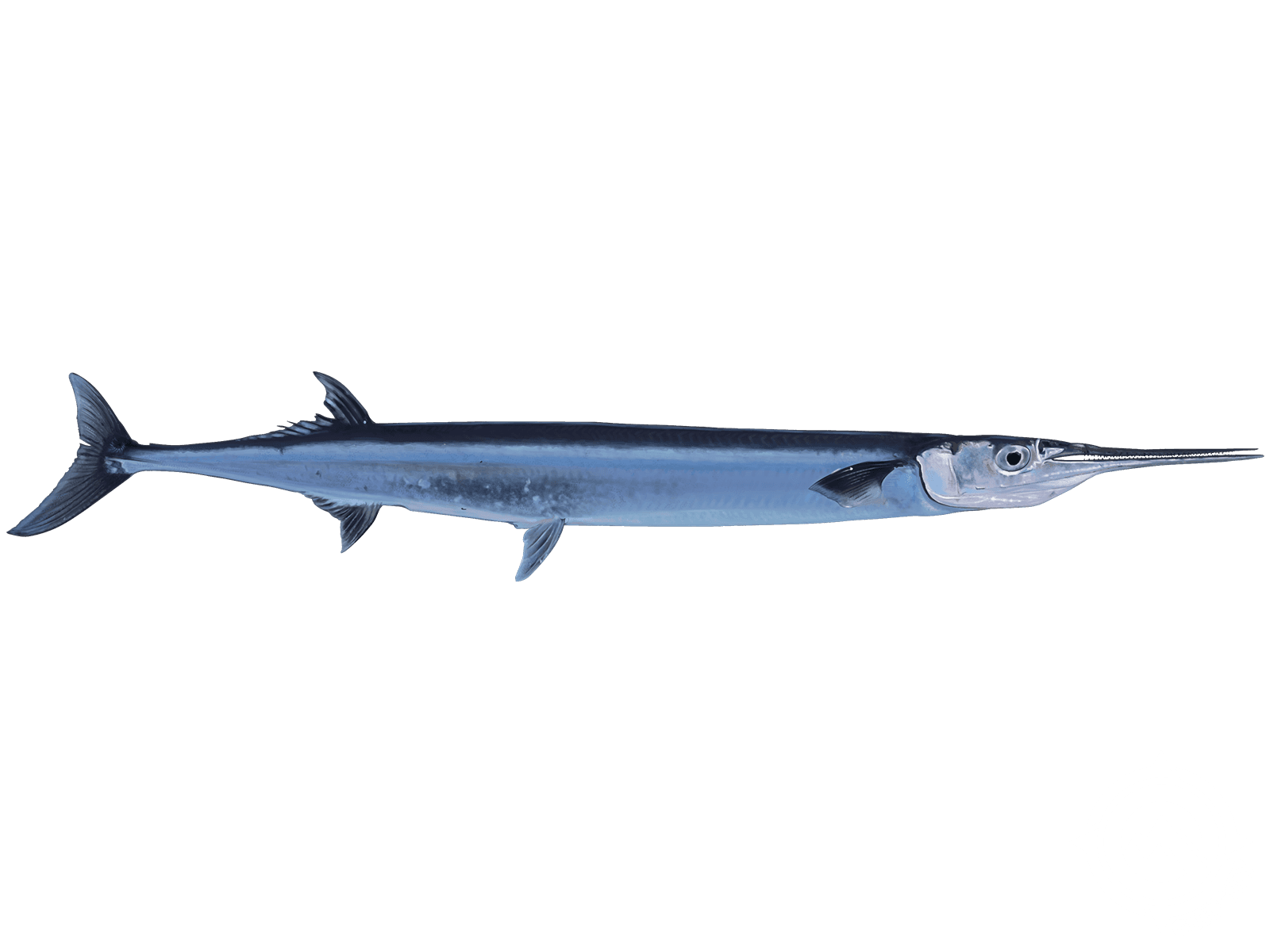
Agujon Needlefish
Agujon needlefish are unique targets with their long, needle-like jaws packed with sharp teeth. These torpedo-shaped fish commonly reach 35 inches and can hit 5 feet, weighing up to 8 pounds around maturity at 18-20 inches. You'll find them in shallow waters and near the surface around reefs where they hunt small fish and zooplankton. They're not picky eaters - almost too willing to grab bait, which some anglers find annoying. What makes them interesting is their unusual appearance and the careful handling required due to that dangerous beak. They travel from Massachusetts to Brazil in warm waters. The challenge is getting a solid hookset since they're smart about detecting line pressure and will drop bait if they feel resistance. Use shiny spoons or jerkbaits like Crystal Minnows with tail hooks. Here's the tip: give a sharp jerk when you feel them mouth the bait, but don't rush - let them commit first.
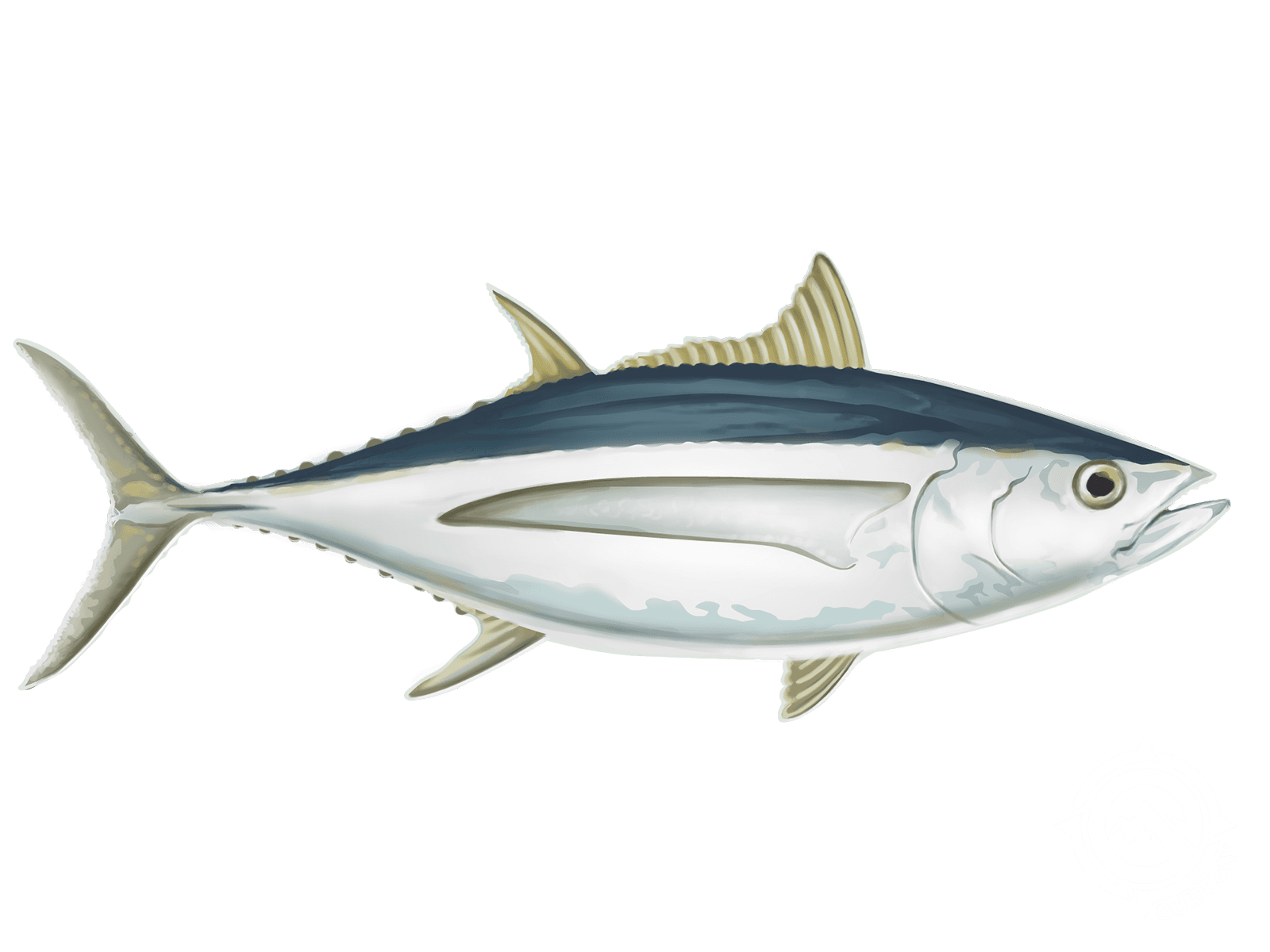
Albacore Tuna
Albacore are bullet-shaped speedsters that run 18-25 inches and weigh 20-45 pounds. These are the only tuna you can call "white meat" - they're prized for their firm texture and mild flavor. You'll find them in deep subtropical waters where they travel in massive schools up to 19 miles wide, which makes for some serious action when you locate them. They spawn March through July, but fish year-round since they never stop moving - their need for oxygen keeps them constantly on the go. Best fishing is during daylight hours when they're actively feeding. What makes guests love targeting albacore is that first fish hooked often brings the whole school with it. Here's the key: position your lures 50-90 feet behind the boat when trolling. Mackerel, herring, and squid work great for bait, while cedar plugs and tuna feathers are solid lure choices.
Agujon Needlefish
Agujon needlefish are unique targets with their long, needle-like jaws packed with sharp teeth. These torpedo-shaped fish commonly reach 35 inches and can hit 5 feet, weighing up to 8 pounds around maturity at 18-20 inches. You'll find them in shallow waters and near the surface around reefs where they hunt small fish and zooplankton. They're not picky eaters - almost too willing to grab bait, which some anglers find annoying. What makes them interesting is their unusual appearance and the careful handling required due to that dangerous beak. They travel from Massachusetts to Brazil in warm waters. The challenge is getting a solid hookset since they're smart about detecting line pressure and will drop bait if they feel resistance. Use shiny spoons or jerkbaits like Crystal Minnows with tail hooks. Here's the tip: give a sharp jerk when you feel them mouth the bait, but don't rush - let them commit first.
African Pompano
African pompano are fast, powerful jacks that put up a serious fight. These silvery, round fish can hit 50 pounds and 39 inches, though most run smaller. Young ones are diamond-shaped with long trailing filaments that disappear as they age. You'll find juveniles close to shore, while adults prefer 30-250 feet over shallow oceanic waters and reefs. They're constantly moving, covering great distances while hunting crustaceans and smaller fish. Pompano are drawn to shiny, moving objects, making them perfect targets for jigs and spoons along with live bait. What guests enjoy is their strong runs and the fact that they're excellent eating. They're often targeted by tuna and dolphins, so finding bird activity can lead you to them. The key is keeping your lures moving - these fish respond to speed and flash. Use medium-heavy tackle and be ready for that initial run when they take off.
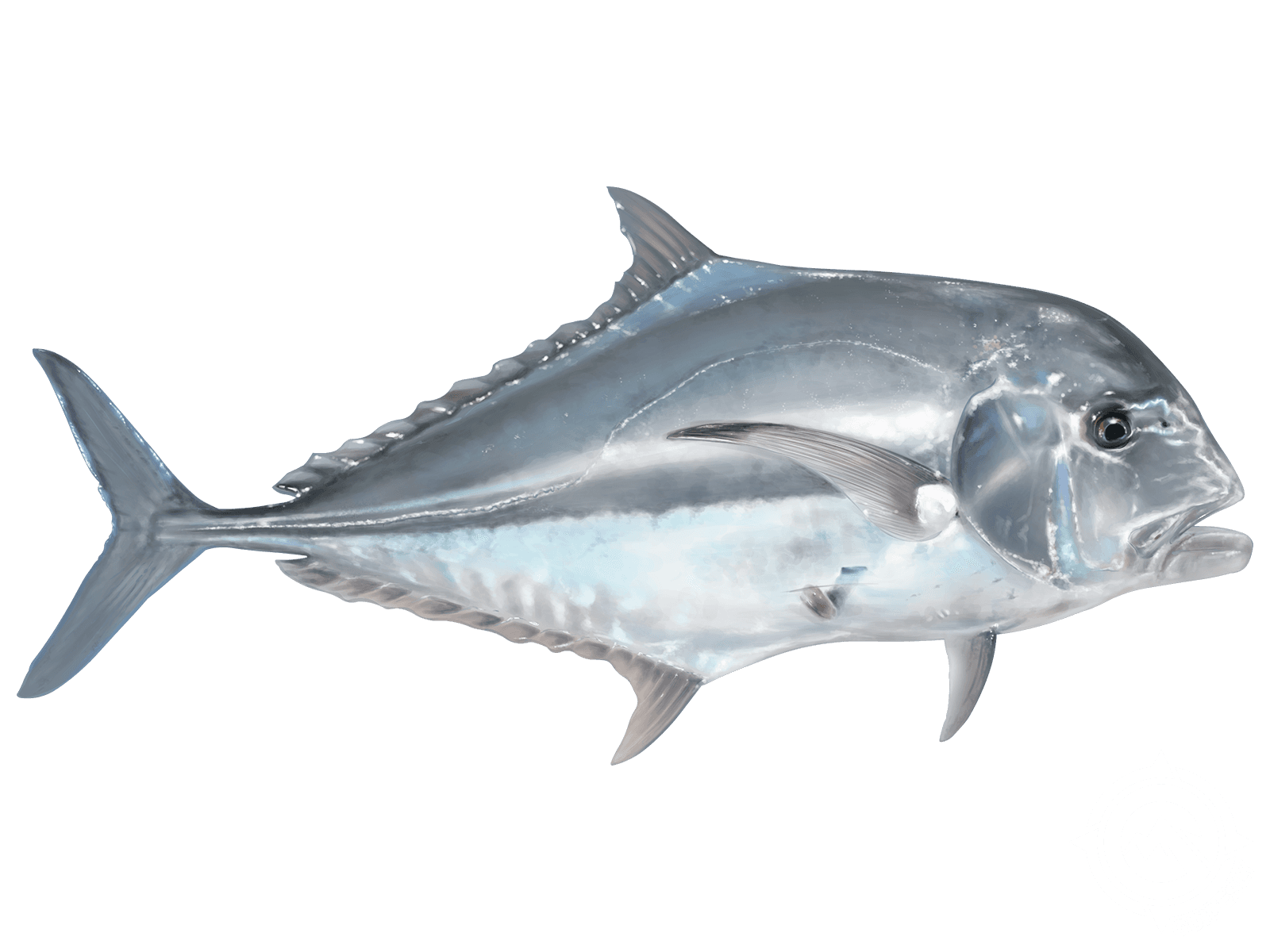
Live Sharksucker
Sharksuckers are odd fish that guests find fascinating more than challenging. These streamlined, dark gray fish grow up to 43 inches and have that distinctive oval suction disc on their heads - that's how they hitchhike on sharks, rays, turtles, and even boats. You'll spot them in tropical waters from the surface down to 160 feet, usually attached to something bigger. Most folks don't target them specifically since they don't school up and aren't great eating, but they make for interesting catches when they show up. They're opportunistic feeders, grabbing scraps from their hosts or filtering small crustaceans. The cool factor is watching them attach to divers or boat hulls. If you want to catch one, your best bet is when they're riding a host fish you're already fighting. Use small hooks and natural bait near structure where larger fish hang out.

Alligator Gar
Alligator gar are prehistoric monsters that create memories of a lifetime. These armor-plated giants typically run 4-6 feet and 100-160 pounds, with razor-sharp teeth and that unmistakable alligator-like head. They're found in southern rivers, lakes, and backwaters from Texas to Florida, lurking in deep bends near shallow pools. What's wild is they can breathe air and water, sometimes grabbing birds off the surface. Best fishing is late summer during hot, dry weather when they're more active in deeper water. The appeal isn't the eating - it's the pure thrill of tangling with a living dinosaur that can live decades. These are catch-and-release only fish in most areas. Use heavy tackle with 5/0-6/0 treble hooks under bright bobbers. Carp, buffalo, gizzard shad, and mullet work best for bait. Here's the key: rig your bait 6 inches below a 4-inch bright bobber and be patient - these fish take their time.

American Gizzard Shad
American gizzard shad aren't glamorous, but they're incredibly useful baitfish that run 8-14 inches, occasionally reaching 20 inches and 2 pounds. These silver-green, deep-bodied fish have small, toothless mouths and that distinctive black spot behind their gills. You'll find massive schools in large lakes, reservoirs, and rivers with soft, muddy bottoms. They're filter feeders with huge appetites, eating plankton and algae. What guests appreciate is their value as cut bait or live bait for targeting gamefish like bass, walleye, stripers, and catfish. Their oily, strong scent drives predators crazy. They're active year-round but easiest to catch during spawning runs. These hardy fish tolerate various water conditions, which is why they're found from Canada to Florida. Use a cast net to get several at once, or try a flasher rig with small hooks on multiple droppers to catch them efficiently on rod and reel.

Atlantic Halibut
Atlantic halibut are the giants of flatfish - true trophy targets that can reach over 8 feet and 700 pounds, though most run around 4 feet and 30 pounds. These diamond-shaped powerhouses live in cold North Atlantic waters from 160 to 6,500 feet deep. They're strong swimmers that'll give you a serious battle, and the meat is absolutely delicious - considered a delicacy. Best action is March through June when they spawn in deep water, then move shallower afterward. You'll find them over rocky bottoms where they hunt cod, haddock, and squid. What makes guests love these fish is the combination of the fight and the feast afterward. Use heavy tackle - 6-7 foot rods with 60-80 pound braid. The key is drift fishing in 150-500 feet, letting the waves work your bait naturally. Mix your baits - squid, mackerel, and herring together works best, and add some scent to get their attention.

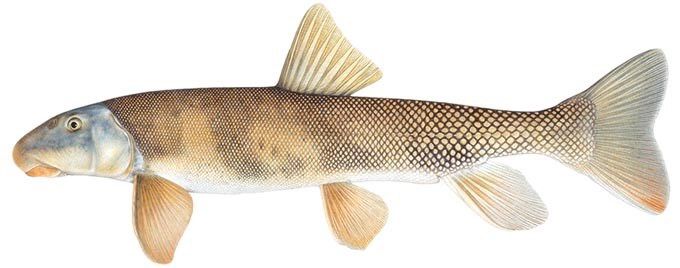
Flannelmouth Sucker
Flannelmouth suckers are hefty river fish that can surprise you with their fight. These thick-bodied fish grow up to 28 inches and 8 pounds, living up to 30 years in larger rivers throughout the Southwest. You'll recognize them by their big, fleshy mouths and greenish-brown coloring that turns bright orange during April-June spawning season. They prefer deeper pools with some shade, though they'll travel hundreds of miles through connected river systems. Most folks catch them accidentally while trout fishing, but they're worth targeting for the solid fight they put up. They eat whatever's available - algae, detritus, small organisms - making them easy to catch with simple setups. Best fishing is during spawning runs when water hits 50 degrees. Look for current breaks where fast water meets slower water. Use light bass tackle with size 6 hooks, nightcrawlers, and enough weight to stay on bottom.
Blacktip Shark
Blacktips are exciting sharks that'll jump clear out of the water - sometimes right into your boat! These sleek predators average around 5 feet but can hit 9 feet and 270 pounds. You'll spot them by the black tips on their fins and their habit of leaping 21 feet per second when hooked. They cruise muddy bays and lagoons in 30-100 feet of water, often around artificial reefs where they hunt sardines, herring, mackerel, and croakers. Despite their excitement when hooked, they're actually pretty timid and often watch from a distance before committing. Best fishing is in warmer months when they're most active near shore. What guests love is that aerial show and the decent fight they put up. You'll need heavy braided line rated for 20-50 pounds and circle hooks. Here's the trick: start chumming with oily fish like mackerel pounded to paste - that strong scent draws them in from far away.
Atlantic Croaker
Atlantic croakers are perfect starter fish that even experienced anglers enjoy. These pink-silver bottom feeders typically run 18 inches and about a pound, with the biggest hitting 27 inches and 8 pounds. You'll hear them before you see them - they're the loudest in the drum family, making that distinctive croaking sound that gives them their name. They love muddy bottoms in 25-30 feet of water, especially around channels and deep holes. Best fishing happens around high tide changes from March through October in brackish waters and estuaries. What guests really like is how they taste - these are excellent eating fish that bite readily on simple rigs. The key is staying near the bottom where they feed on crustaceans and worms. Try this: look for tiny holes in sandy areas and pump out ghost shrimp for bait. Use a 6-foot medium rod with double-hook bottom rig and 1-ounce egg weight.

About the Test Boat
%2F%2Fusers%2Fa79adb74-76a3-42fb-9008-e47f78bc9b1b%2Fvehicle_picture%2Friding-sunset.jpg&w=1920&q=75)
Vehicle Guest Capacity: 22
Manufacturer Name: Honda
Maximum Cruising Speed: 999
Number of Engines: 2
Horsepower per Engine: 999

Our trip has proven to be one of the most memorable one. We enjoyed a lot. Guide was friendly and knowledgeable. Since we do not have much experience in fishing, guide told us so many tricks. One thing is for sure that we are going to book again.