%2Ffit-in%2F250x250%2Fguide_websites%2F1868%2Fimages%2F17497947853731739775598397image4.jpeg&w=1920&q=100)
//users/a79adb74-76a3-42fb-9008-e47f78bc9b1b/ratecard/gettyimages-1253824866-612x612-mh3hvgfx.jpg)
%2Ffit-in%2F300x300%2Fusers%2Fa79adb74-76a3-42fb-9008-e47f78bc9b1b%2Fratecard%2Fgettyimages-1253824866-612x612-mh3hvgfx.jpg&w=256&q=75)
%2Ffilters%3Aformat(webp)%2F300x300%2Fdfed24e0-ebf1-4b4b-9464-e6523b70cde2%2Freport%2Fsocial%2Fimages%2Freport%2Fsilver-orange-fish-catch-florida-3330.png&w=256&q=75)
%2Ffilters%3Aformat(webp)%2F300x300%2Fc289cdeb-a252-441e-87ca-d52764993a52%2Freport%2Fsocial%2Fimages%2Freport%2Fbass-jumping-water-florida-ny-8193.png&w=256&q=75)
%2Ffilters%3Aformat(webp)%2F300x300%2F869ca54e-6d55-4b23-8860-c37b407b9ebc%2Freport%2Fsocial%2Fimages%2Freport%2Ftropical-fish-florida-ny-waters-8167.png&w=256&q=75)
%2Ffilters%3Aformat(webp)%2F300x300%2F869ca54e-6d55-4b23-8860-c37b407b9ebc%2Freport%2Fsocial%2Fimages%2Freport%2Ffish-swimming-florida-ny-waters-8437.png&w=256&q=75)
%2Ffilters%3Aformat(webp)%2F300x300%2F869ca54e-6d55-4b23-8860-c37b407b9ebc%2Freport%2Fsocial%2Fimages%2Freport%2Fbass-jumping-sunset-florida-ny-2895.png&w=256&q=75)
%2Ffilters%3Aformat(webp)%2F300x300%2F869ca54e-6d55-4b23-8860-c37b407b9ebc%2Freport%2Fsocial%2Fimages%2Freport%2Fbass-catch-florida-ny-fishing-5933.png&w=256&q=75)
%2Ffilters%3Aformat(webp)%2F300x300%2F869ca54e-6d55-4b23-8860-c37b407b9ebc%2Freport%2Fsocial%2Fimages%2Freport%2Fafrican-pompano-catch-florida-ny-3371.png&w=256&q=75)
%2Ffilters%3Aformat(webp)%2F300x300%2F28a76564-5fe4-4f3e-b736-530b6fc847c9%2Freport%2Fsocial%2Fimages%2Freport%2Ftropical-fish-coral-reef-florida-3370.png&w=256&q=75)
%2Ffilters%3Aformat(webp)%2F300x300%2F28a76564-5fe4-4f3e-b736-530b6fc847c9%2Freport%2Fsocial%2Fimages%2Freport%2Fwhite-grunt-fish-florida-ny-7126.png&w=256&q=75)
%2Ffilters%3Aformat(webp)%2F300x300%2Fb4d210c1-3202-454d-8960-9e19a667079e%2Freport%2Fsocial%2Fimages%2Freport%2F1767870737068.png&w=256&q=75)
Ray Chaters: Expert Flats Fishing Adventures
 Florida Public Library, 4 Cohen Cir, Florida, NY 10921, United States
What you will be catching:
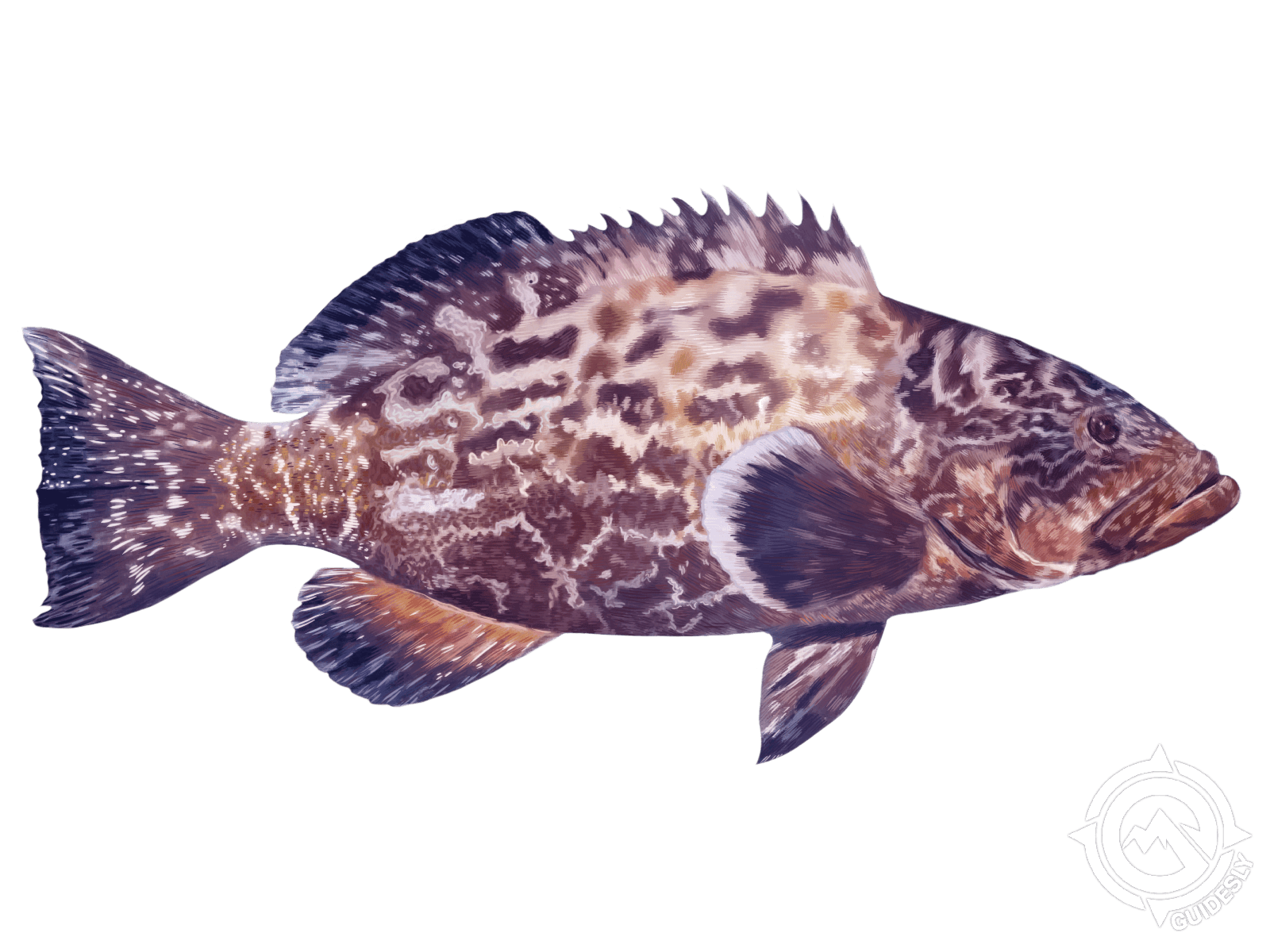
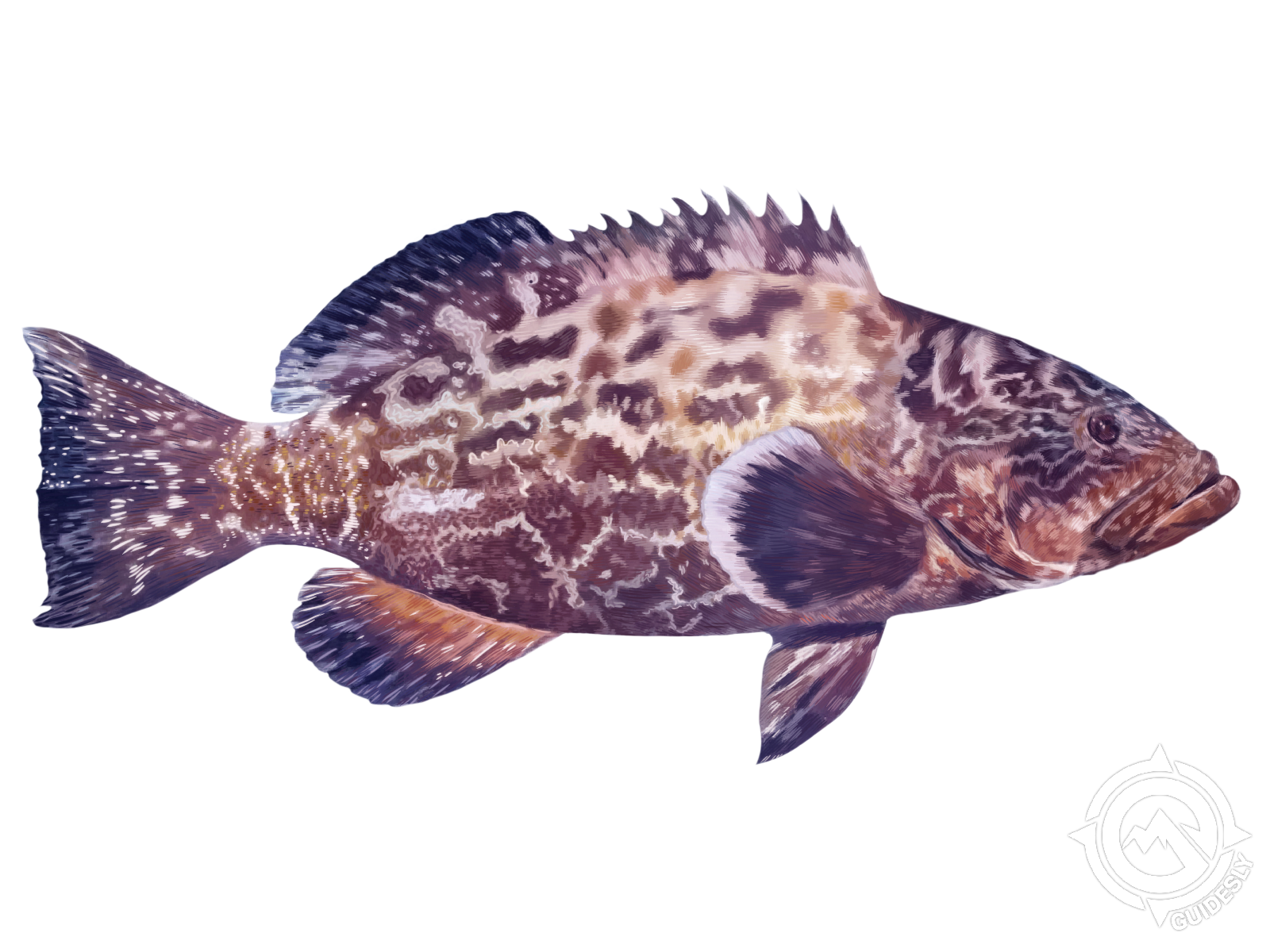 Black Grouper
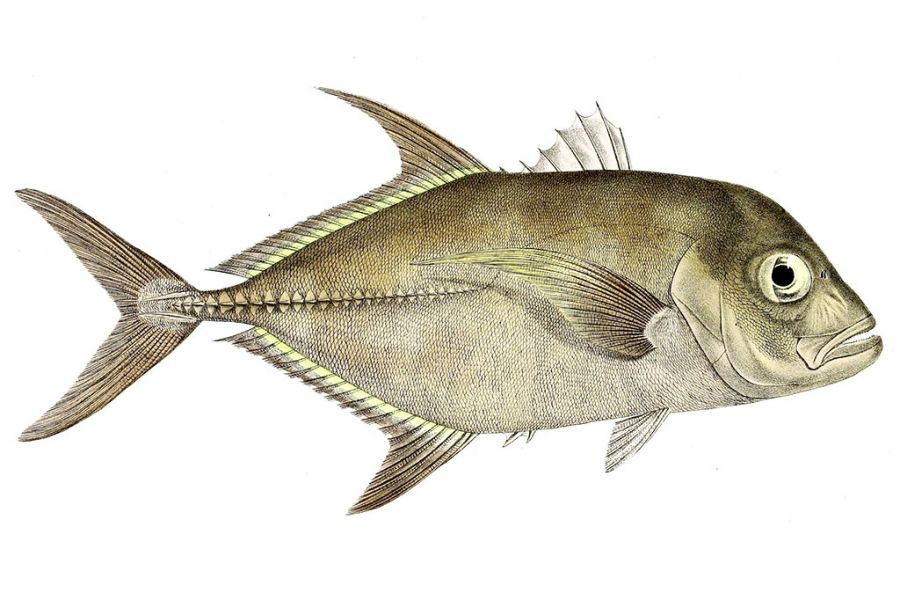 Black Jack
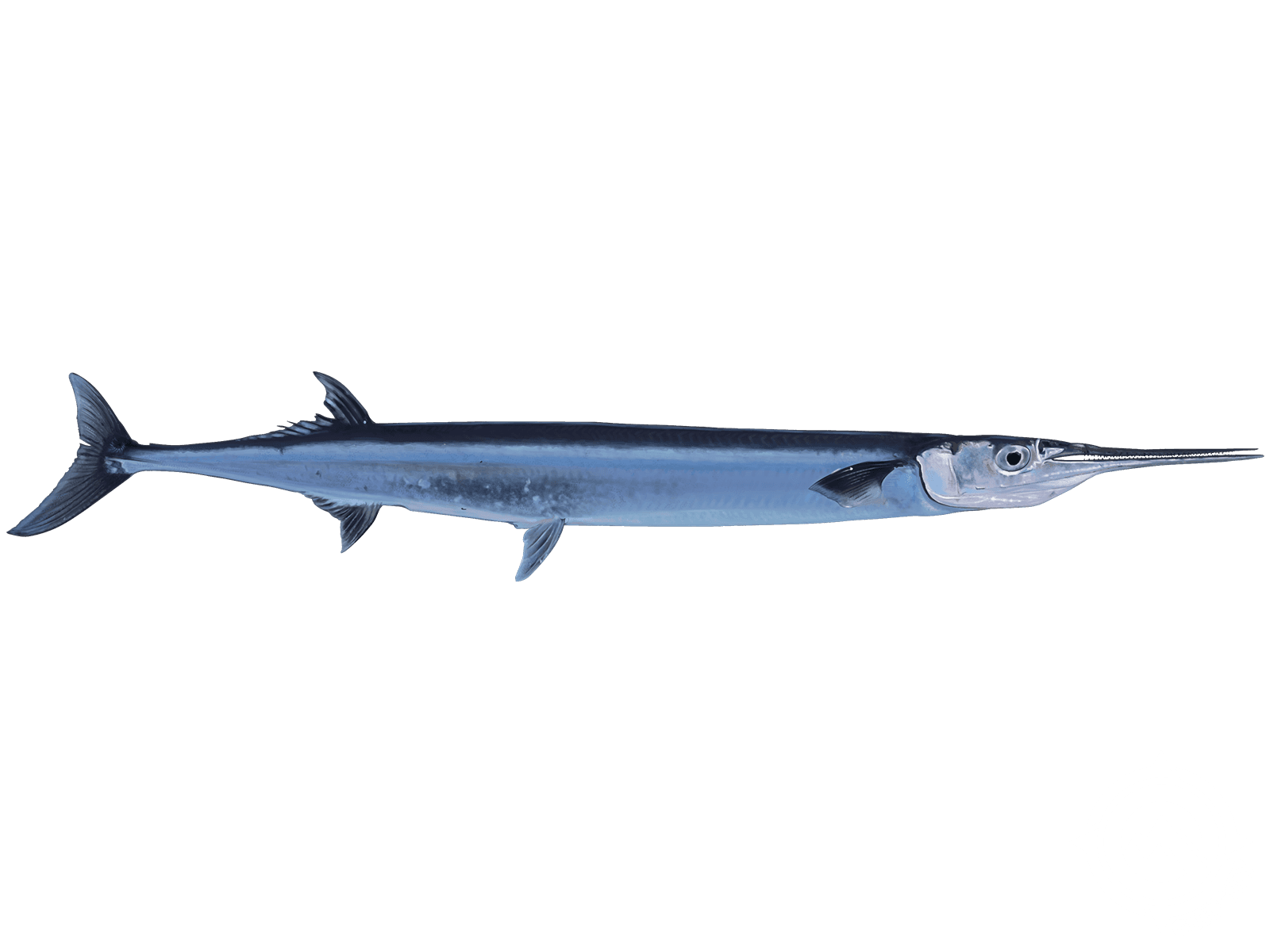
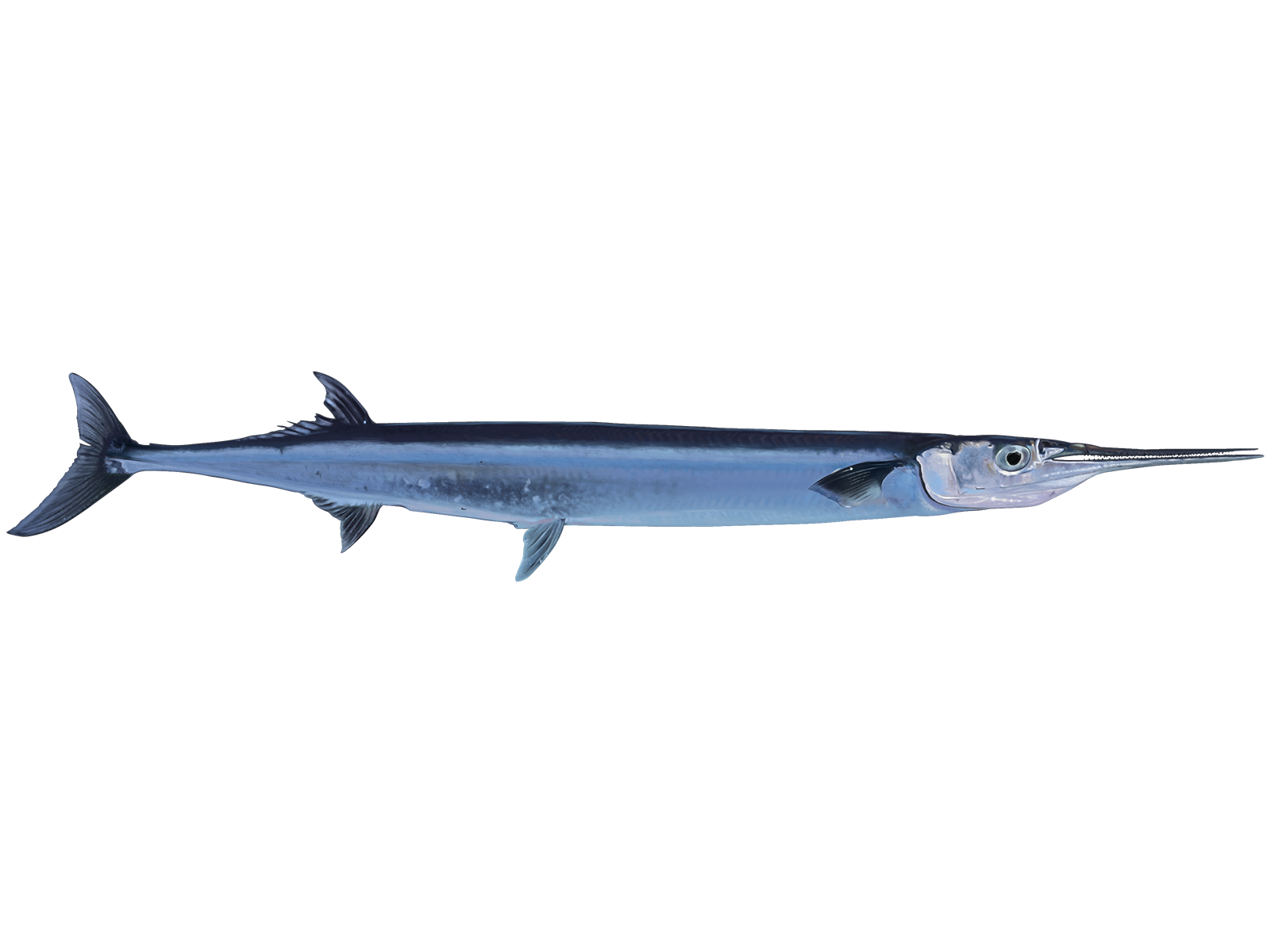 Agujon Needlefish
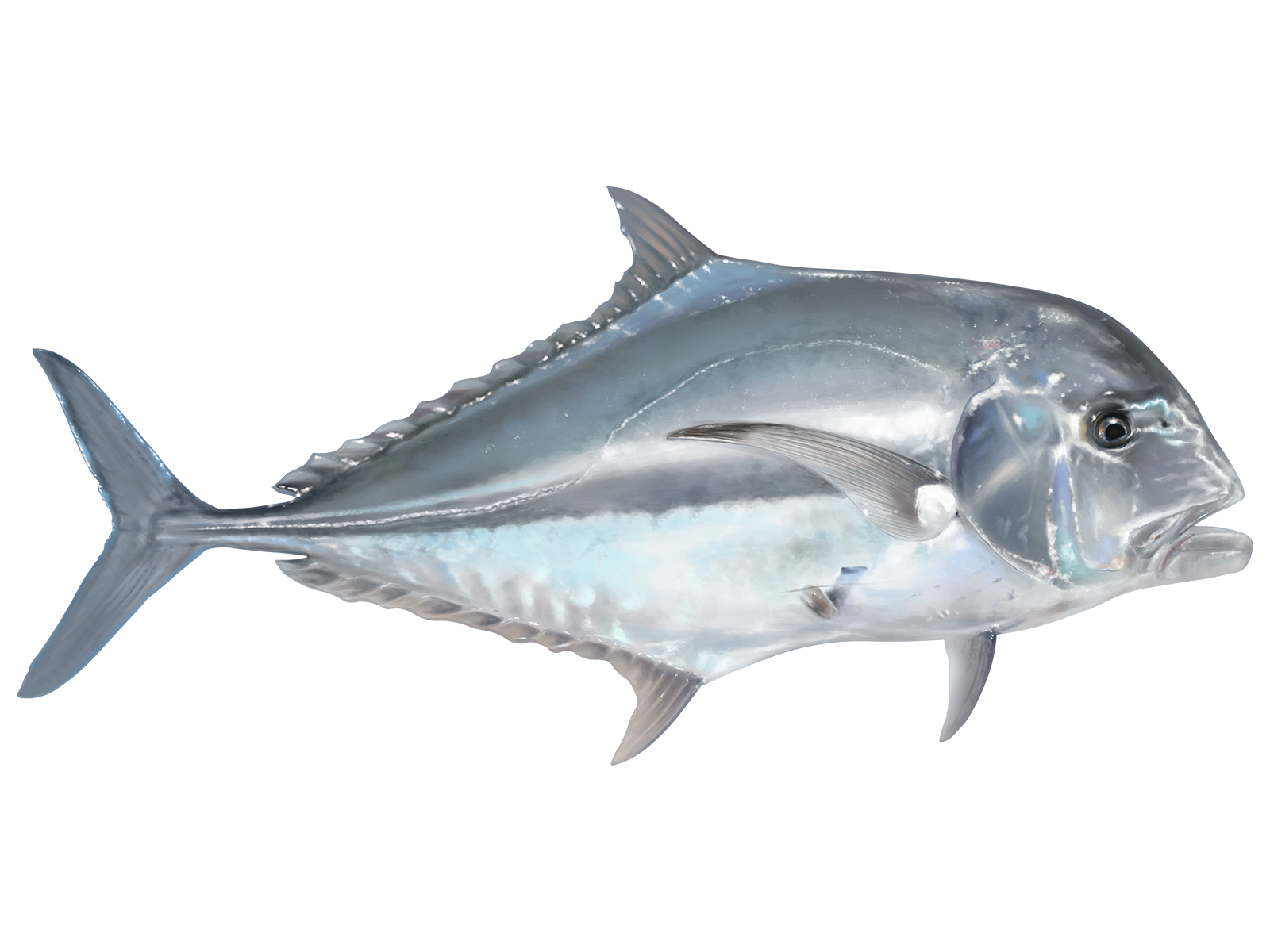 African Pompano
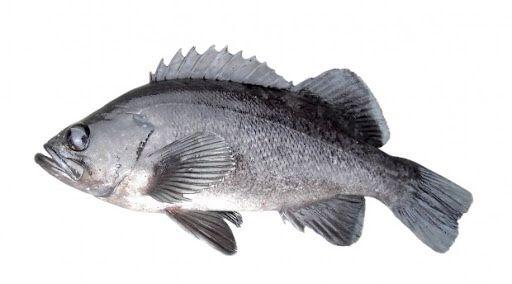
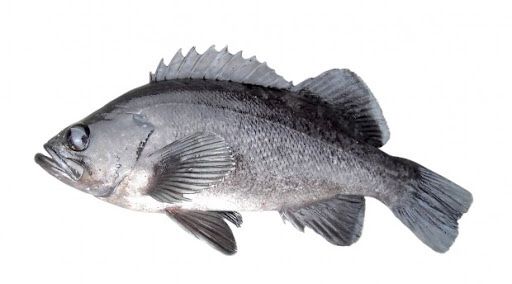 Black Rockfish
- 4-hour evening flats fishing for Redfish and Speckled Trout
- All gear and bait provided, no fishing license required
- Limited to 4 guests for personalized fishing experience
Trip Pricing and Availabilities :
Half Day Evening Flats Fishing in Pensacola
There's something magical about fishing the shallow waters around Pensacola as the sun starts to set. Captain Jamie knows these flats like the back of his hand, and he's ready to put you on some serious fish during this top-rated 4-hour evening charter. Starting at 8:00 PM when the water begins to cool and the fish start moving, you'll have the chance to sight-fish for Redfish and Speckled Trout while staying alert for surprise hookups with Black Drum, Jack Crevalle, and Ladyfish. With just one angler on board, this is as personal as flats fishing gets – no crowds, no competing for the best spots, just you and the guide working together to make it happen.
What to Expect on the Water
This evening trip takes advantage of some of the best fishing conditions Pensacola has to offer. The shallow flats around Pensacola and Milton come alive as temperatures drop and baitfish start moving through the grass beds. Captain Jamie runs a shallow-draft boat that's built for this kind of fishing – quiet, stable, and able to get into water so skinny you'll swear you're floating on air. The evening timing is no accident either. As the day hunters bed down and the night shift starts waking up, you'll find fish that have been laying low in deeper water beginning to push up onto the flats to feed. The light is perfect for sight-fishing, and with the boat all to yourself, you'll have plenty of room to cast and plenty of opportunities to learn the techniques that separate weekend warriors from serious flats anglers.
Techniques & Flats Fishing
Flats fishing is all about stealth, precision, and reading the water. Captain Jamie provides all the tackle you'll need – lightweight spinning gear that's perfect for the shallow water game. You'll be using live bait and artificials depending on what the fish are telling you, and learning to spot the subtle signs that give away a fish's location. Maybe it's a nervous wake pushing through the grass, or the flash of a copper-colored back as a redfish tips down to grab a crab. The key is staying quiet – no slamming hatches, no heavy footsteps on the deck. These fish are spooky in shallow water, and the difference between a successful trip and going home empty-handed often comes down to how well you can present your bait without spooking everything in a hundred-yard radius. Jamie will position the boat using his trolling motor, keeping you in the strike zone while maintaining the kind of stealth that lets you get close enough for those heart-stopping sight-fishing opportunities.
Top Catches This Season
Black Jack are some of the hardest fighting fish you'll find on these flats, and they're not picky about what they'll eat. These bruisers can show up anywhere from 2 to 20 pounds, and when one grabs your bait, you'll know it immediately. They're aggressive feeders that love to cruise the edges of grass beds looking for anything that moves wrong. Best time to target them is during moving water, especially on the evening tides when they're actively hunting. What makes them so exciting is their unpredictability – you might be sight-casting to what looks like a redfish only to have a jack hammer your bait and take off like a freight train.
Black Rockfish might not be the flashiest catch, but they're solid fighters that know how to use structure to their advantage. These fish love hanging around rocky bottoms and hard structure, usually running between 1 and 5 pounds in these waters. They're most active during the cooler parts of the day, which makes this evening trip perfect timing. What guests love about targeting rockfish is the technical challenge – you've got to get your bait right where they're holding without getting hung up in the rocks they call home.
African Pompano are the wildcards of this fishery. When you hook into one of these fish, you're in for a world-class fight. They're built like silver bullets with incredible speed and endurance, often jumping multiple times once they feel the hook. Most of the pompano around Pensacola run between 2 and 8 pounds, but don't let the size fool you – pound for pound, these might be the strongest fish swimming in these waters. They're most active during the warmer months and love to feed in the evening hours, making this trip prime time for connecting with one.
Agujon Needlefish are some of the most unique catches you'll find on the flats. These prehistoric-looking fish can reach impressive sizes and put on an aerial show that rivals any tarpon. They're ambush predators with those distinctive long bills, and they're surprisingly strong fighters once you get them hooked. The best part about needlefish is you never know when one might show up – they're opportunistic feeders that will grab a well-presented bait if it looks like an easy meal. Evening hours are perfect for needlefish since they become more active as light levels drop.
Black Grouper are the heavyweights of this lineup, and hooking into one around structure is like trying to stop a pickup truck with a fishing rod. These fish are masters of using their environment, diving straight for the nearest rocks or hard bottom the second they feel pressure. Most black grouper in these waters run between 5 and 20 pounds, though bigger ones definitely swim these flats. They're most active during moving water and lower light conditions, which makes this evening trip perfectly timed. What makes them so rewarding to catch is the combination of their size, strength, and the technical skill required to keep them out of structure once you've got them hooked.
Time to Book Your Spot
At $500 for a private 4-hour charter with all gear and bait included, this evening flats trip delivers serious value for any angler looking to experience world-class shallow water fishing. Captain Jamie's knowledge of these waters combined with the perfect timing of an evening
Learn more about the animals
Black Grouper
Black Grouper are some of the strongest fighters you'll encounter around our reefs and structure. These olive-gray fish with dark blotches typically run 2-3 feet, but giants over 100 pounds get caught in the Gulf. They live around offshore wrecks, ledges, and reefs in 30-300 feet - shallower in winter, deeper in summer. They're ambush predators that suck in prey whole with their massive mouths, feeding on snappers, crabs, and squid. The fight is what people remember most - pure power trying to get back to the rocks. The meat is outstanding table fare with a mild flavor and firm texture. Spawning season runs November through May when they're most active. Pro tip: once you hook one, crank hard immediately - they don't nibble, they inhale your bait whole, then dive straight for structure to break you off. Heavy tackle and fast action are essential.
Black Jack
Black Jacks are tough fighters that usually run 2-3 feet and 12-24 pounds, though they can get much bigger. You'll find them in deeper waters around the outer reefs and drop-offs, typically staying in 60+ feet of clear water. They prefer the edges where deep water meets structure. These dark-colored members of the jack family are aggressive feeders that'll hit live bait like shrimp and crabs, plus silver spoons and swimbaits work great. They're known for making croaking sounds when caught and put up a serious fight once hooked. Most folks release them since they can carry ciguatera toxins. Best fishing is during warmer months when they move up from the deep. Pro tip: when you hook one, keep steady pressure - they'll try to dive back to structure and cut your line on the reef.

Agujon Needlefish
Agujon Needlefish are those long, skinny fish with the needle-sharp beaks that cruise the shallow flats and surface waters. They typically run 18-35 inches, with some reaching 5 feet and 8 pounds. You'll spot them near the surface in shallow water, often around reefs and structure edges where they hunt for small fish and zooplankton. They're not picky eaters but can be tricky to hook properly with that long, hard jaw. Most folks either love them or hate them since they'll steal bait meant for other species. They put up a decent fight and make interesting catches, though most people release them due to their green-colored flesh. Best times are during warmer months when they're actively feeding near the surface. Pro tip: use really sharp hooks and give a solid hookset - they'll mouth bait without getting hooked, and if they feel line pressure, they'll drop it fast.
African Pompano
African Pompano are one of the more exciting jacks you can target in our waters. These silvery, fast-swimming fish typically run 10-20 pounds but can reach 50+ pounds and nearly 40 inches. You'll find them in 30-250 feet of water over sandy bottom and around structure. Juveniles have long trailing filaments that disappear as they mature, and they stay closer to shore. Adults roam the deeper waters and are attracted to shiny, moving objects - that's why jigs and spoons work so well along with live bait. They feed on crustaceans and smaller fish, putting up a strong fight when hooked. The meat is excellent table fare. Best fishing is during warmer months when they're more active. Pro tip: keep your lures moving fast - these fish are built for speed and respond to aggressive presentations that mimic their natural prey.
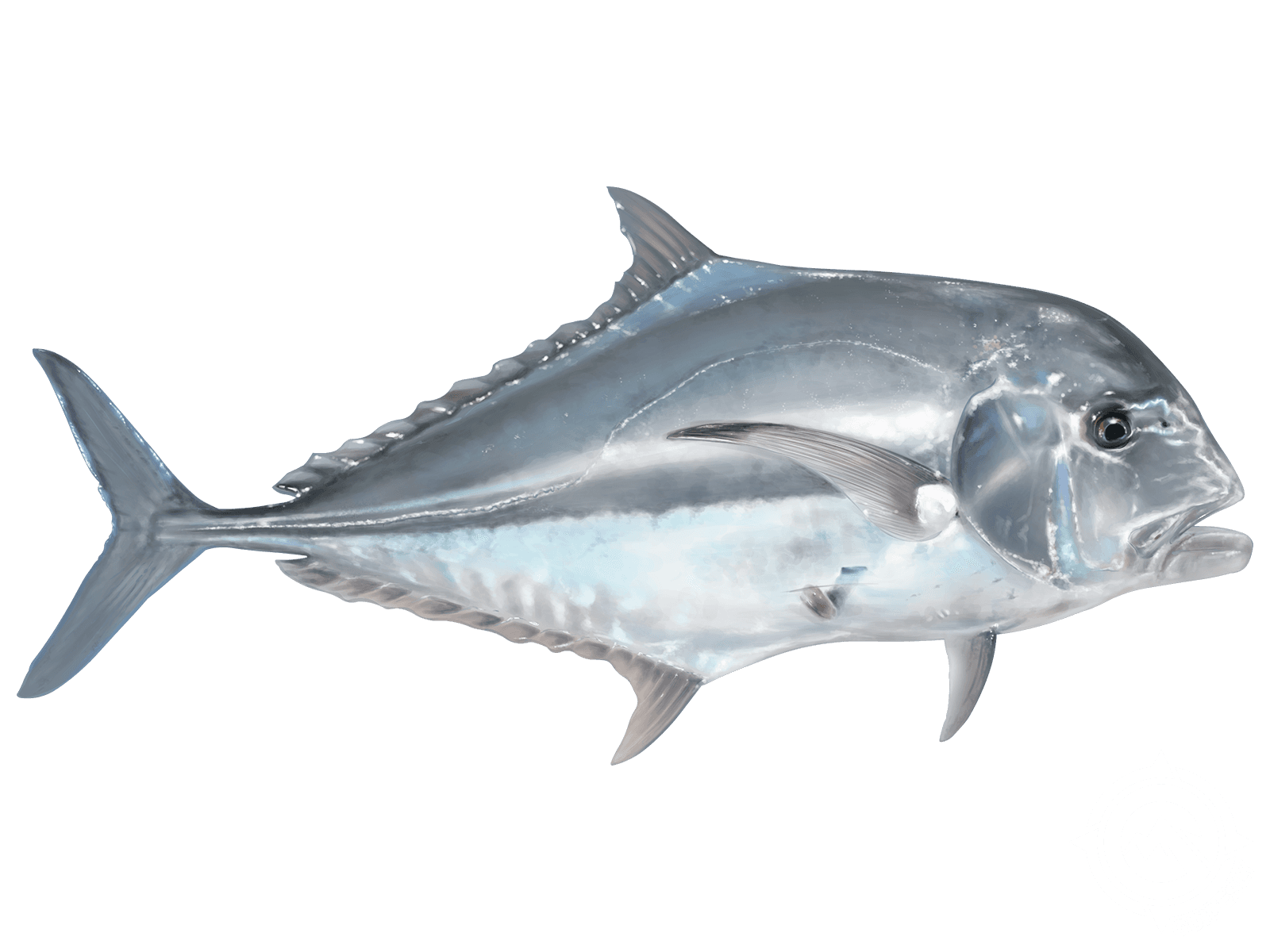
Black Rockfish
Black Rockfish aren't common in our Gulf waters since they're mainly Pacific coast fish, but if you did encounter one, here's what to know. These dark gray to black fish typically run 18-24 inches and 4-5 pounds, with a bass-like shape but much spinier fins. They live around rocky structure and reefs, usually in 30-200 feet of water. The spines are mildly venomous, so handle with care. They're aggressive feeders that'll take just about any bait or lure you throw at them - jigs work especially well since they stay near the bottom. What makes them interesting is their large mouth that lets them inhale prey whole. They can live up to 50 years and are prone to barotrauma when brought up from depth, causing their eyes to bulge. Use medium tackle with sensitive tips to feel the bite, and get them up quick once hooked.