%2Ffit-in%2F250x250%2Fguide_websites%2F1868%2Fimages%2F17497947853731739775598397image4.jpeg&w=1920&q=100)
//users/a79adb74-76a3-42fb-9008-e47f78bc9b1b/ratecard/istockphoto-847778156-612x612.jpg)
%2Ffit-in%2F300x300%2Fusers%2Fa79adb74-76a3-42fb-9008-e47f78bc9b1b%2Fratecard%2Fistockphoto-847778156-612x612.jpg&w=256&q=75)
%2Ffilters%3Aformat(webp)%2F300x300%2F671c7a5f-5585-4f6f-b074-9b9a3419d666%2Freport%2Fsocial%2Fimages%2Freport%2Fmahi-mahi-butler-beach-fishing-10342.png&w=256&q=75)
%2Ffilters%3Aformat(webp)%2F300x300%2F6793ecf0-6b27-49e9-9837-b814f49439f9%2Freport%2Fsocial%2Fimages%2Freport%2Fbutler-beach-fishing-techniques-partly-9843.png&w=256&q=75)
%2Ffilters%3Aformat(webp)%2F300x300%2F6793ecf0-6b27-49e9-9837-b814f49439f9%2Freport%2Fsocial%2Fimages%2Freport%2Fking-mackerel-butler-beach-deep-12531.png&w=256&q=75)
%2Ffilters%3Aformat(webp)%2F300x300%2F6793ecf0-6b27-49e9-9837-b814f49439f9%2Freport%2Fsocial%2Fimages%2Freport%2Fbest-fishing-techniques-aecs-layout-9140.png&w=256&q=75)
%2Ffilters%3Aformat(webp)%2F300x300%2Fc66479f0-3a81-4eda-92aa-c67f73f11cc3%2Freport%2Fsocial%2Fimages%2Freport%2Fexploring_depths_one_fish_147828.png&w=256&q=75)
%2Ffilters%3Aformat(webp)%2F300x300%2Fc66479f0-3a81-4eda-92aa-c67f73f11cc3%2Freport%2Fsocial%2Fimages%2Freport%2Fcolorful_catch_from_great_259668.png&w=256&q=75)
%2Ffilters%3Aformat(webp)%2F300x300%2Fd857b976-2a3f-401e-8210-798193a1011b%2Freport%2Fsocial%2Fimages%2Freport%2Fspeckled_beauty_200407.png&w=256&q=75)
%2Ffilters%3Aformat(webp)%2F300x300%2Fd857b976-2a3f-401e-8210-798193a1011b%2Freport%2Fsocial%2Fimages%2Freport%2Fcaught_beauty_trout_280991.png&w=256&q=75)
%2Ffilters%3Aformat(webp)%2F300x300%2Fc91299a6-9fa0-4d0d-90f1-5eebc9a921d2%2Freport%2Fsocial%2Fimages%2Freport%2Fenjoying_peaceful_day_out_473792.png&w=256&q=75)
%2Ffilters%3Aformat(webp)%2F300x300%2Fc91299a6-9fa0-4d0d-90f1-5eebc9a921d2%2Freport%2Fsocial%2Fimages%2Freport%2Fexploring_vibrant_underwater_world_315372.png&w=256&q=75)
World-Class Cruises & BackCountry Adventures

 Florida Public Library, 4 Cohen Cir, Florida, NY 10921, United States
What you will be catching:
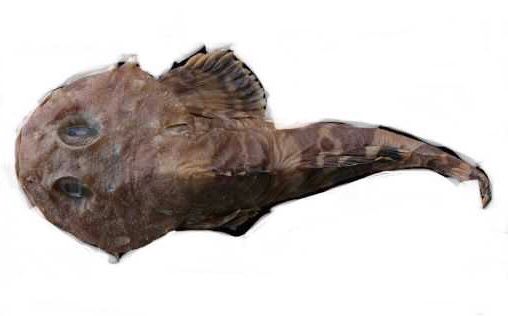 Blackfin Sculpin
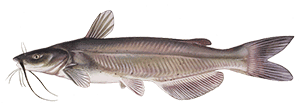
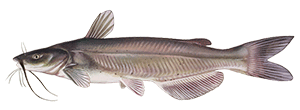 Flathead Catfish
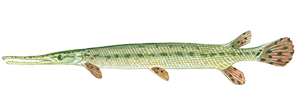
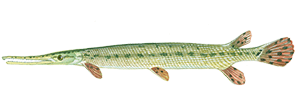 Longnose Gar
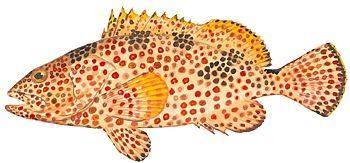
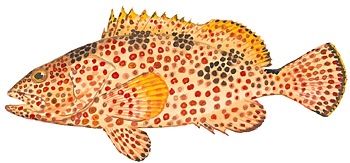 Rock Hind
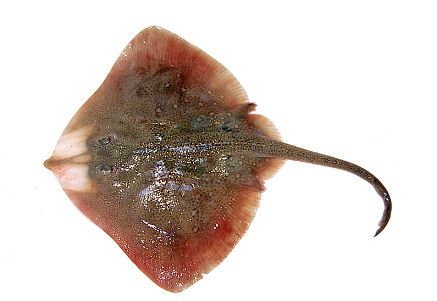 Starry Ray
- Small group backcountry fishing adventure for six guests maximum
- Expert-guided fishing experience in remote wilderness locations
- Professional charter service specializing in exclusive fishing trips
Trip Pricing and Availabilities :
Ray's Ultimate Fishing Adventure for 6 Anglers
Looking for a top-rated fishing experience that covers all your bases? Ray Chaters has put together something special here. We're talking about a full-service fishing trip that takes care of everything - your meals, your gear knowledge, and access to some seriously good fishing spots. With space for up to 6 anglers, this isn't one of those crowded charter situations where you're fighting for elbow room. Ray keeps the groups small so everyone gets the attention they deserve, whether you're a seasoned angler or just getting your feet wet.
What to Expect on the Water
This is a full-package deal, and I mean full package. We're talking breakfast, lunch, and dinner included, so you won't be worrying about packing coolers or wondering where your next meal is coming from. Ray's approach is all about making sure you can focus on what you came here for - putting fish in the boat. The guide knows these waters like the back of his hand and has a knack for reading conditions that'll put you on fish when other boats are struggling. You'll be targeting a diverse mix of species that keeps things interesting all day long. No two casts are the same when you're after everything from bottom-dwelling catfish to the more elusive species that patrol these waters. The boat setup is designed for comfort and functionality, with plenty of room to move around and fight fish without getting tangled up with your fishing buddies.
Techniques and Tackle
Ray's got this dialed in when it comes to technique. We're using a combination of bottom fishing, live bait presentations, and targeted approaches depending on what species we're chasing that day. For the Flathead Catfish, we're talking heavy tackle and patience - these fish don't mess around, and neither should your drag system. The Longnose Gar requires a completely different approach with wire leaders and specific bait presentations that account for their bony mouth structure. When we're after the Blackfin Sculpin, it's all about precise bottom contact and feeling for those subtle bites that many anglers miss. The Starry Ray fishing brings its own challenges with circle hooks and techniques that ensure proper catch and release practices. Rock Hind fishing means understanding structure and using presentations that get down into the rocky areas where these fish like to hang out. Ray provides guidance on all the gear setups, but if you have your own favorite rods and reels, bring them along - just make sure they can handle the variety of species we'll be targeting.
Customer Stories
"Our trip has proven to be one of the most memorable one. We enjoyed a lot. Guide was friendly and knowledgeable. Since we do not have much experience in fishing, guide told us so many tricks. One thing is for sure that we are going to book again." - Shiva
"had a great trip" - soundarya
Species You'll Want to Hook
The Flathead Catfish is the heavyweight champion of this fishery, and for good reason. These fish can grow massive - we're talking 40-plus pounds in some cases - and they fight like nothing else in freshwater. They're most active during warmer months and prefer deeper holes during the heat of the day. What makes them special is their pure power combined with their tendency to make long, determined runs that'll test your gear and your nerves. The key to success is using large live bait and being patient enough to let them fully commit before setting the hook.
Longnose Gar brings a prehistoric element to your fishing day that guests absolutely love. These ancient fish can reach 4-5 feet in length and are most active in late spring through early fall. Their elongated snout and razor-sharp teeth make them look like something from another era. What's exciting about gar fishing is the visual element - you'll often see them rolling on the surface or cruising in shallow water. They're also incredible fighters, combining powerful runs with spectacular jumps that'll have everyone on the boat reaching for their cameras.
The Blackfin Sculpin might be smaller than our other target species, but don't let size fool you - these fish are prized by anglers who appreciate technical fishing. They're bottom dwellers that rarely exceed a pound, but they're incredibly tasty and provide consistent action when other species aren't cooperating. Peak season runs from late summer into fall, and they're most active during cooler parts of the day. What guests love about sculpin fishing is the constant action and the chance to perfect their bottom-fishing techniques.
Starry Ray fishing offers something completely different from typical angling experiences. These flattened fish can span 2-3 feet across and provide a unique fight that's more about steady pressure than explosive runs. They're most commonly encountered in spring and fall when they move into shallower feeding areas. The excitement comes from the mystery - when your rod doubles over and starts moving sideways instead of running away, you know you've got something special on the other end. Proper handling techniques are crucial, and Ray makes sure everyone knows how to safely release these fascinating creatures.
Rock Hind rounds out our target species list with its reputation as both a challenging catch and excellent table fare. These fish typically range from 1-3 pounds and are most active during summer months around rocky structure and drop-offs. They're known for their powerful initial run when hooked, often trying to get back to their rocky hideouts. What makes Rock Hind fishing exciting is the precision required - you need to present your bait right in their strike zone and be ready for a quick, strong fight in tight quarters.
Time to Book Your Spot
Ray's fishing trips are becoming a customer favorite for good reason. You're getting world-class guidance, all meals covered, and access to some of the best fishing around. With only 6 spots available, these trips fill up fast, especially during peak seasons when all target species are most active. Whether you're a beginner looking to learn the ropes or an experienced an
Customer Reviews
Memorable Fishing Fun

Shiva K
September 24, 2024
Great Trip
had a great trip
soundarya oct
October 21, 2024
John Doe
John Doe
John Doe
May 2, 2025
Classic Text Sample
1234 About Ipsum is simply dummy text of the printing and typesetting industry. Lorem Ipsum has been the industry's standard dummy text ever since the 1500s, when an unknown printer took a galley of type and scrambled it to make a type specimen book. It has survived not only five centuries, but also the leap into electronic typesetting, remaining essentially unchanged. It was popularised in the 1960s with the release of Letraset sheets containing Lorem Ipsum passages, and more recently with desktop test test
Shiva K
September 6, 2024
Learn more about the species
Blackfin Sculpin
These small bottom-dwellers might only average 4 inches, but they're fascinating targets for specialty anglers. Gray-brown with distinctive golden breeding colors on mature males, they inhabit soft-bottom areas 377-1140 feet deep in cold North Pacific waters around 40°F. While not traditional gamefish, sculpin fishing has a dedicated following, especially in Alaska and Japan. They feed on crustaceans and small prey near the seafloor. The appeal is in the specialized technique and the remote, pristine locations where you find them. Best caught using short 3-4 inch lines with split shot weights and small hooks baited with salmon eggs or tiny worms. The Japanese have perfected sculpin rods with custom grips and lilian guides. My advice: clamp that split shot right in the middle of your line and work it slow along the bottom - these guys aren't going to chase anything moving fast.

Flathead Catfish
These olive-colored giants are what freshwater legends are made of. Running 3-4 feet and often pushing 100+ pounds, flatheads are the second-largest catfish in North America. Unlike their cousins, they're picky eaters - they want live bait that's still moving. Find them in deep pools, slow rivers, and muddy reservoirs where they ambush prey from cover. The meat quality is exceptional compared to other catfish, which makes them a favorite target. Best fishing happens during warmer months when they're most active. Use live bluegill, perch, or even smaller catfish on heavy tackle rated for at least 50 pounds. Here's the trick most guides won't share: when you hook one, let it run initially - trying to muscle them up too fast usually ends with a snapped line and a story about the one that got away.
Longnose Gar
These torpedo-shaped ambush predators are unmistakable with their needle-like snouts and spotted olive bodies. Most run 28-48 inches, though giants can hit 6 feet and 55 pounds. They cruise shallow lakes, rivers, and backwaters, often near vegetation where they blend in perfectly. Night fishing produces the best action since they're naturally nocturnal hunters. Anglers love the challenge - gar put up incredible fights and their prehistoric appearance makes every catch memorable. The meat tastes surprisingly good, similar to chicken with a unique twist. Forget traditional hooks - their narrow mouths won't hold them. Instead, use unbraided nylon rope that tangles in their teeth. Try sight fishing by running your lure parallel to weed lines where they're waiting to strike. The key is letting them grab it and get those teeth wrapped up good before setting.
Rock Hind
These reclusive groupers are masters of camouflage, blending red-brown spots with pale tan coloring that can shift dramatically when they're spooked. Running about 2 feet and 8-9 pounds, they're smaller than most groupers but pack serious attitude. You'll find them around rocky reefs, jetties, and breakwaters from shallow water down to 400 feet, especially in the Gulf and Caribbean. September through March offers the best action in cooler water. Anglers appreciate the challenge - they're notorious for diving straight into rocks when hooked, testing both your drag and patience. The meat is excellent table fare. Use heavy tackle with live bait like squid, sardines, or octopus on stout hooks that can handle their crushing jaws. Here's the secret: when they bolt for cover and your line goes tight against rocks, don't panic and horse them. Wait for them to relax, then pull steadily to tire them out before they can dig in again.
Starry Ray
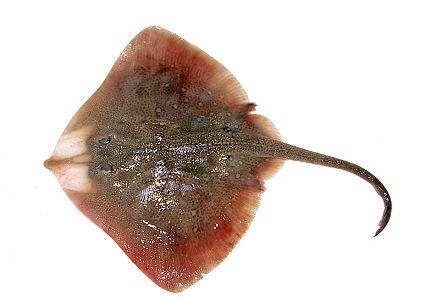
Also called thorny skate, these diamond-shaped bottom fish grow up to 34 inches and 25 pounds. Their rough, thorn-covered backs make them easy to identify, plus they lack the venomous spines that other rays have. They cruise soft bottoms from 66 to 3,280 feet deep in cold North Atlantic waters, feeding on crabs, shrimp, and bony fish. What makes them interesting is their unique egg cases and the fact they're more closely related to sharks than flatfish. Unfortunately, they're listed as vulnerable, so most encounters happen as bycatch. When targeting them specifically, bottom trawls work best in deeper waters. The key challenge is their habitat - you need specialized gear to fish those depths effectively. If you do connect with one, handle carefully since those thorns can cut you up. Their meat is actually quite good, similar to other skate wings, but conservation concerns mean most get released these days.
About the Test Boat
%2F%2Fusers%2Fa79adb74-76a3-42fb-9008-e47f78bc9b1b%2Fvehicle_picture%2Friding-sunset.jpg&w=1920&q=75)
Vehicle Guest Capacity: 22
Manufacturer Name: Honda
Maximum Cruising Speed: 999
Number of Engines: 2
Horsepower per Engine: 999

Our trip has proven to be one of the most memorable one. We enjoyed a lot. Guide was friendly and knowledgeable. Since we do not have much experience in fishing, guide told us so many tricks. One thing is for sure that we are going to book again.