%2Ffit-in%2F250x250%2Fguide_websites%2F1868%2Fimages%2F17497947853731739775598397image4.jpeg&w=1920&q=100)
//users/a79adb74-76a3-42fb-9008-e47f78bc9b1b/ratecard/screenshot2025-07-08172553.png)
%2Ffit-in%2F300x300%2Fusers%2Fa79adb74-76a3-42fb-9008-e47f78bc9b1b%2Fratecard%2Fscreenshot2025-07-08172553.png&w=256&q=75)
%2Ffilters%3Aformat(webp)%2F300x300%2F898abc20-0ab3-4bfe-8a3e-aafd77d66f24%2Freport%2Fsocial%2Fimages%2Freport%2Fgoldfish-swimming-aquarium-butler-beach-5273.png&w=256&q=75)
%2Ffilters%3Aformat(webp)%2F300x300%2F898abc20-0ab3-4bfe-8a3e-aafd77d66f24%2Freport%2Fsocial%2Fimages%2Freport%2Fgoldfish-aquarium-florida-city-setup-11686.png&w=256&q=75)
%2Ffilters%3Aformat(webp)%2F300x300%2F9da7b8c5-febc-4ffa-9f3b-b6c9cc40bc31%2Freport%2Fsocial%2Fimages%2Freport%2FIMG_5517.JPG&w=256&q=75)
%2Ffilters%3Aformat(webp)%2F300x300%2F9da7b8c5-febc-4ffa-9f3b-b6c9cc40bc31%2Freport%2Fsocial%2Fimages%2Freport%2Fwhite-grunt-butler-beach-catch-5710.png&w=256&q=75)
%2Ffilters%3Aformat(webp)%2F300x300%2F9da7b8c5-febc-4ffa-9f3b-b6c9cc40bc31%2Freport%2Fsocial%2Fimages%2Freport%2Fcoral-reef-fishing-florida-adventure-3275.png&w=256&q=75)
%2Ffilters%3Aformat(webp)%2F300x300%2Fcc28689d-88da-4dcd-b21a-8abd236930da%2Freport%2Fsocial%2Fimages%2Freport%2Fgoldfish-catch-butler-beach-adventure-8773.png&w=256&q=75)
%2Ffilters%3Aformat(webp)%2F300x300%2Fe56618cc-7423-459f-8c0a-d456d1780187%2Freport%2Fsocial%2Fimages%2Freport%2Flargemouth-bass-jump-florida-city-6092.png&w=256&q=75)
%2Ffilters%3Aformat(webp)%2F300x300%2Fe56618cc-7423-459f-8c0a-d456d1780187%2Freport%2Fsocial%2Fimages%2Freport%2Fgiant-trevally-catch-butler-beach-7149.png&w=256&q=75)
%2Ffilters%3Aformat(webp)%2F300x300%2F936a5426-eb80-4ae5-bbdb-7a3fa0db727b%2Freport%2Fsocial%2Fimages%2Freport%2Fyellowfin-tuna-jacksonville-deep-sea-3264.png&w=256&q=75)
%2Ffilters%3Aformat(webp)%2F300x300%2F936a5426-eb80-4ae5-bbdb-7a3fa0db727b%2Freport%2Fsocial%2Fimages%2Freport%2Fjacksonville-rainbow-trout-fishing-techniques-3346.png&w=256&q=75)
Ray Chaters Premium Flats Fishing Rates
 Florida Public Library, 4 Cohen Cir, Florida, NY 10921, United States
What you will be catching:
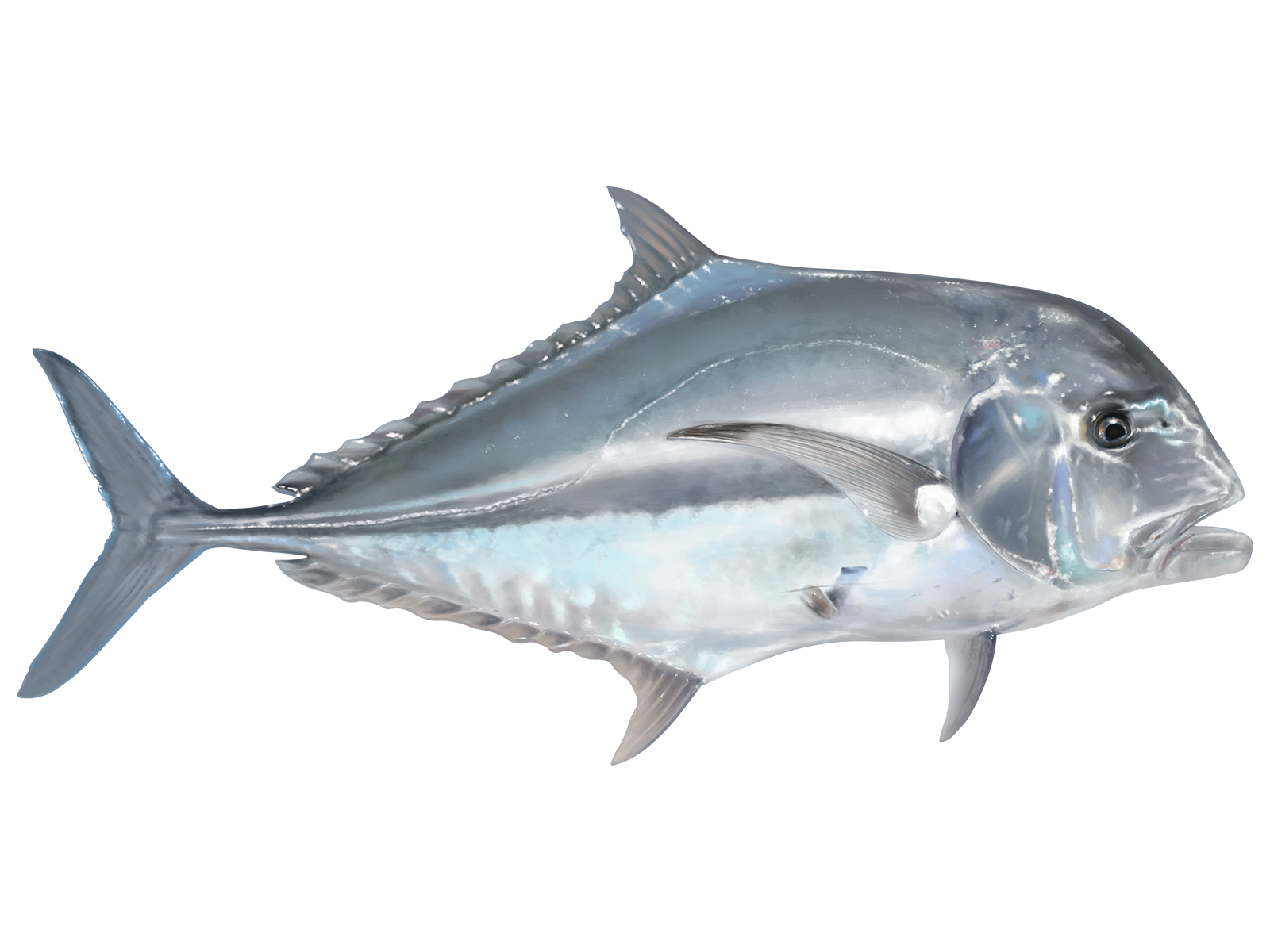 African Pompano
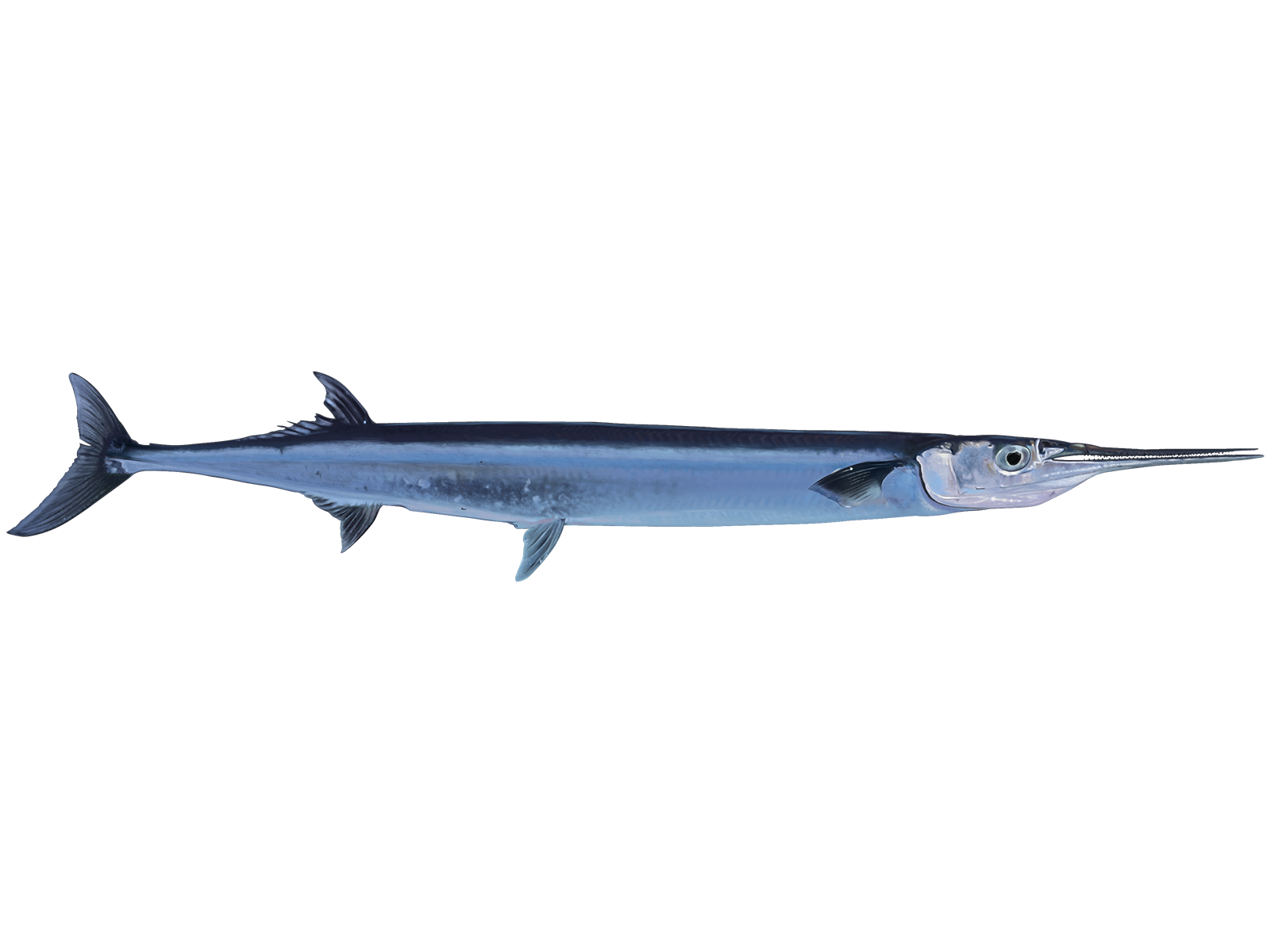 Agujon Needlefish
 Albacore Tuna
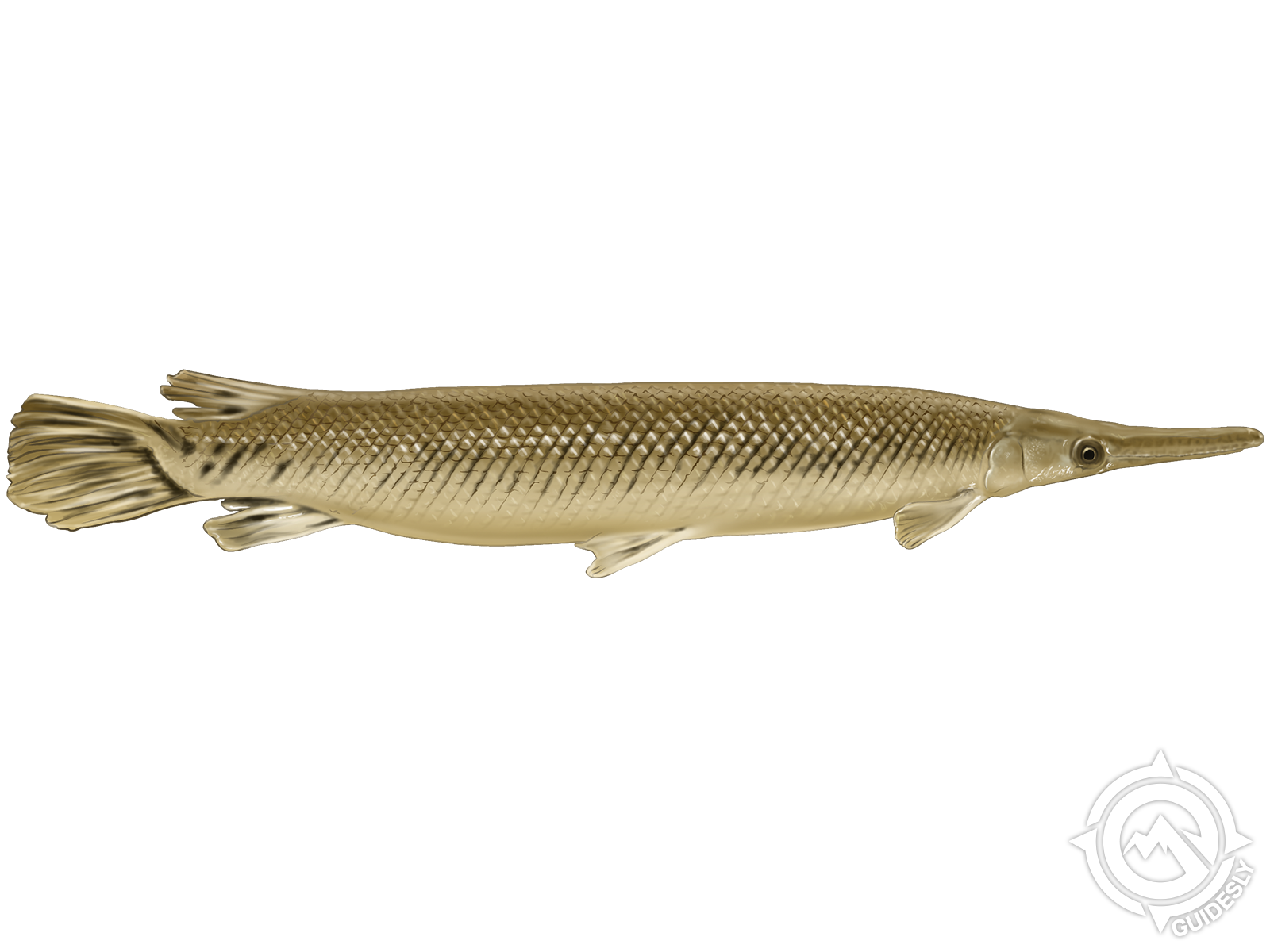 Alligator Gar
 American Angler
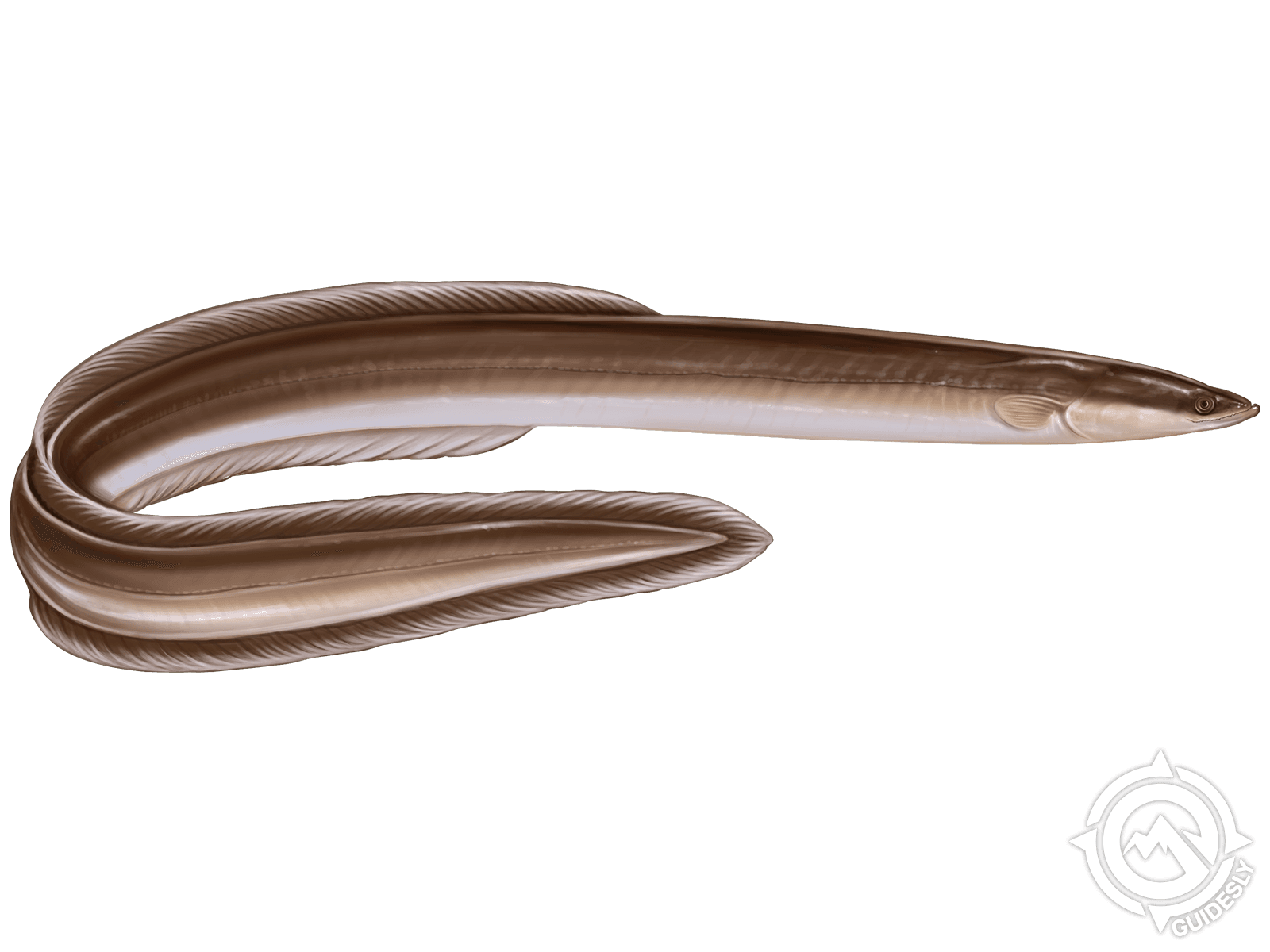
 American Eel
- Solo fishing charter with personalized rate structure
- Professional snorkeling equipment included with water sports package
- Ray Charters provides single-guest specialized fishing experience
Trip Pricing and Availabilities :
Ray Charters Snorkeling Adventure
Looking for crystal-clear waters and marine life that'll make your jaw drop? Ray Charters has been running top-rated snorkeling trips that showcase some of the most diverse underwater ecosystems you'll find anywhere. This isn't your typical tourist splash-around – we're talking about real underwater exploration where you'll get up close with species most people only see in documentaries. Whether you're new to snorkeling or you've been floating around reefs for years, this intimate experience gives you the personal attention and local knowledge that makes all the difference.
What to Expect on the Water
This is a solo snorkeling experience, which means you get Ray's undivided attention and can move at your own pace. No rushing to keep up with a group or waiting around for stragglers. We'll head out to prime snorkeling spots where the visibility is consistently excellent and marine life is abundant. The beauty of a single-person trip is flexibility – if you spot something amazing and want to spend extra time observing it, we can do that. Ray knows these waters like the back of his hand and will position you in the sweet spots where currents bring in the big fish and where the underwater topography creates natural gathering points for marine life. You'll be snorkeling in areas where the water depth ranges from comfortable shallow zones perfect for beginners to slightly deeper areas where larger pelagic species cruise by.
Gear Setup & Water Entry
All snorkeling equipment is provided, including high-quality masks, snorkels, and fins that actually fit properly – none of that one-size-fits-nobody stuff you get elsewhere. Ray checks every piece of gear before you get in the water and makes sure your mask seal is perfect. There's nothing worse than dealing with a leaky mask when you're trying to enjoy the underwater show. We use full-foot fins that give you better propulsion and control, especially important when you're navigating around reef structures or positioning yourself to observe fish behavior. The snorkels have dry-top valves to minimize water intake, and we always carry backup gear just in case. Water entry is typically a gentle back-roll or giant stride entry depending on conditions, and Ray will be right there to guide you through proper snorkeling technique if you need a refresher.
Marine Life You'll Encounter
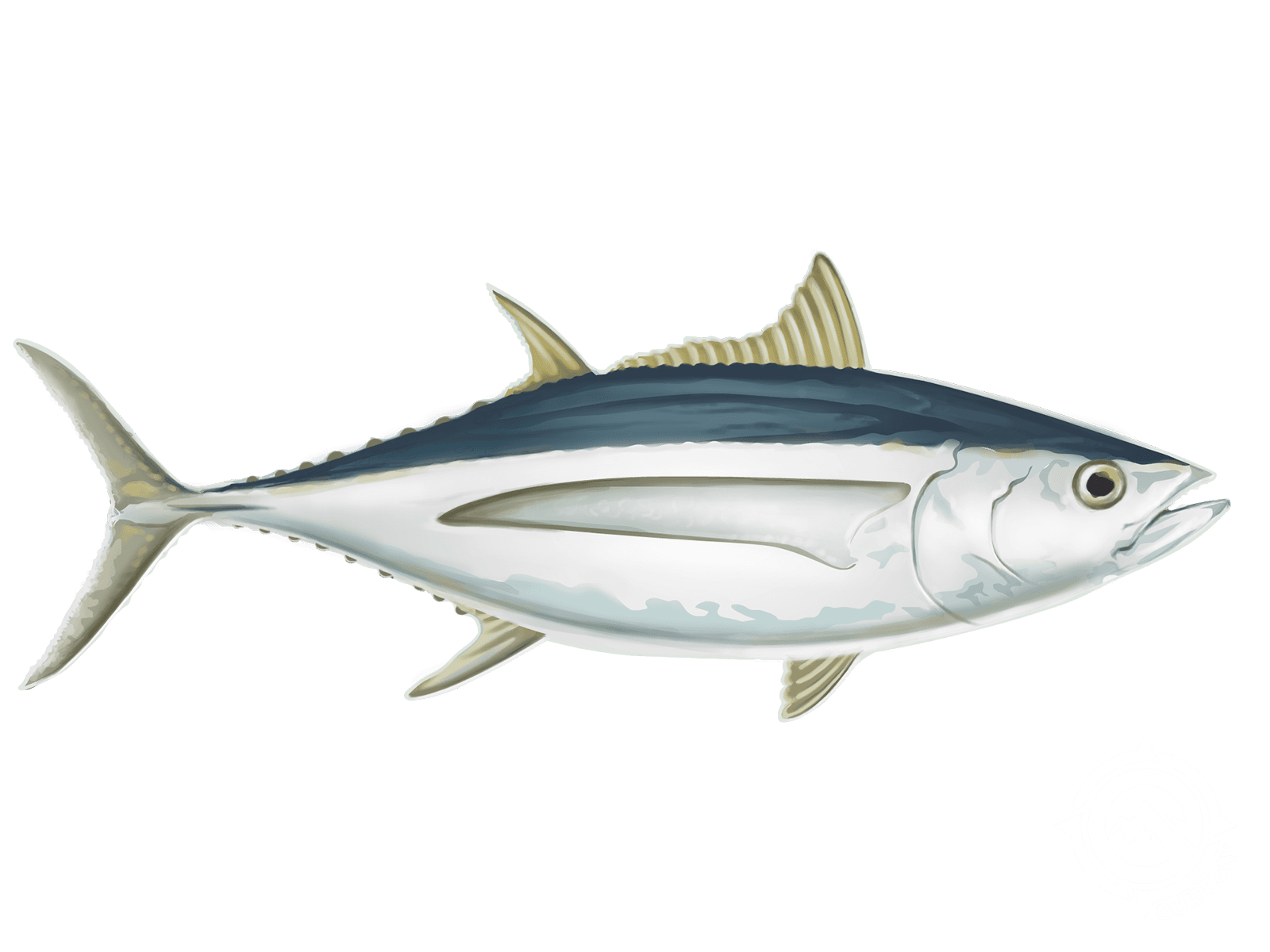
Albacore Tuna are absolute rockets underwater and seeing them while snorkeling is something special. These sleek predators can hit speeds up to 50 mph and when they're hunting, the water just explodes with action. Peak season runs from late summer through early fall when they follow bait schools closer to shore. What makes them exciting to encounter is their sheer power – even from the surface, you can feel the energy when a school passes beneath you. They're curious about snorkelers too, so don't be surprised if they circle back for a closer look.
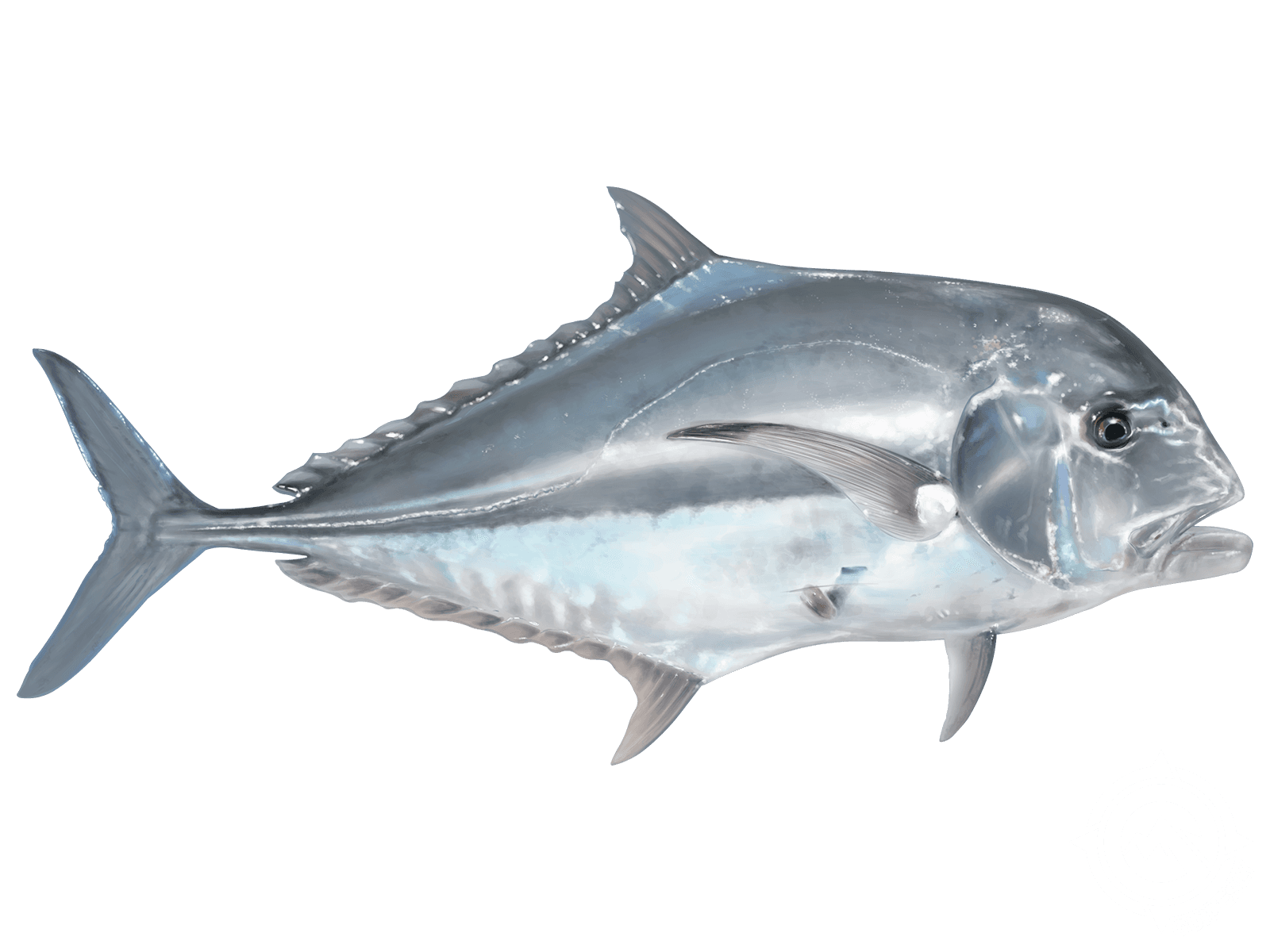
African Pompano are the giants of the jack family and spotting one is like winning the underwater lottery. These silver beauties can grow over 50 pounds and their long, flowing dorsal fins make them unmistakable. They're most active during dawn and dusk feeding periods, so early morning snorkel sessions give you the best shot at an encounter. What's really cool about pompano is how they use their body language – when they're relaxed, they glide slowly, but when they're in hunting mode, their whole demeanor changes and they become laser-focused predators.
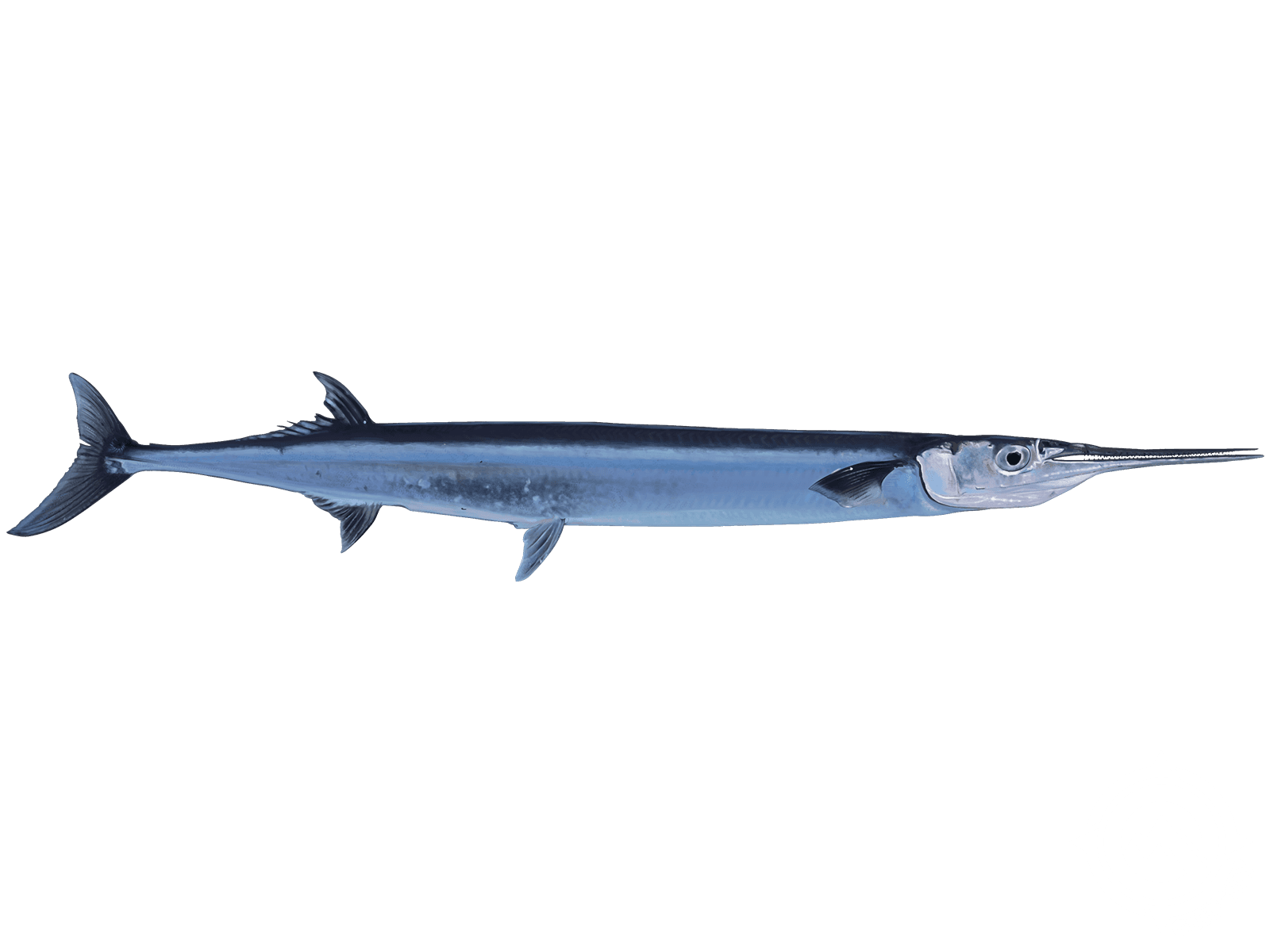
Agujon Needlefish are the snorkelers' surprise guests – these long, slender fish with needle-like beaks often cruise right at the surface where you're floating. They can reach 4 feet in length and are surprisingly fast when they need to be. Spring through summer is prime time for needlefish encounters when they're spawning in shallow waters. The fun part about watching needlefish is their hunting strategy – they'll hang motionless near the surface, then explode into action when small baitfish swim by. Their silvery bodies catch the sunlight beautifully underwater.
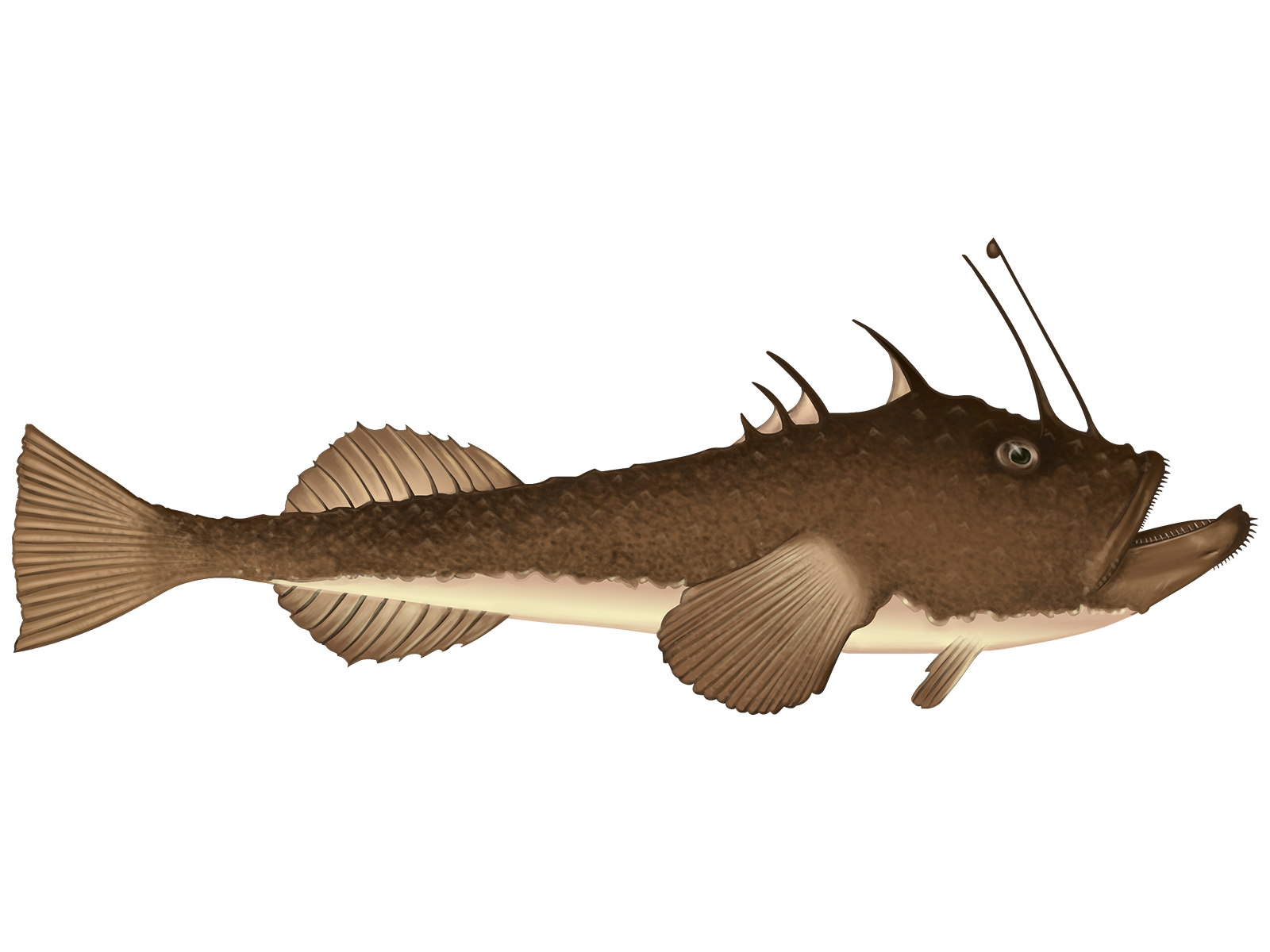
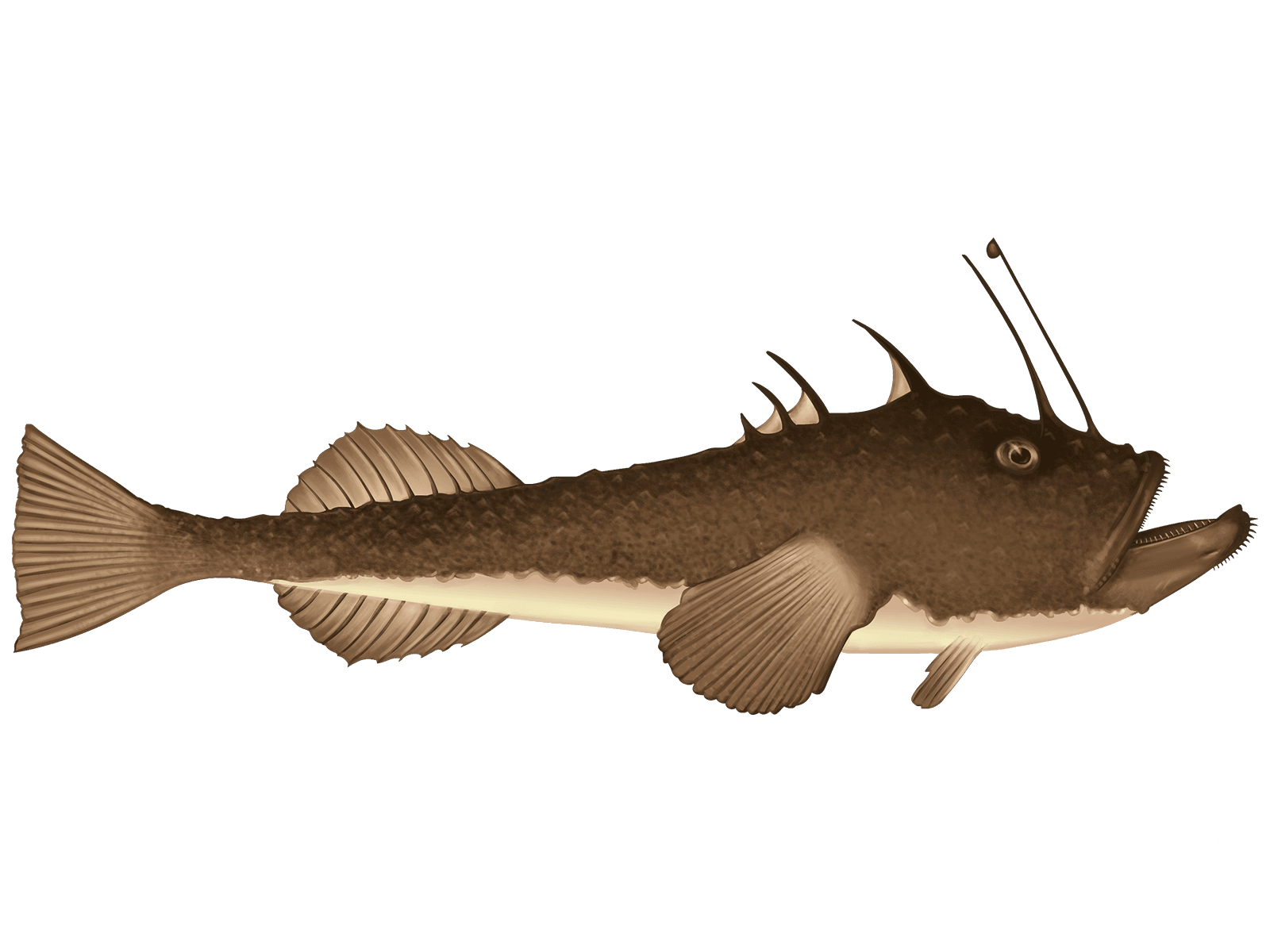
American Angler, also known as monkfish, are the masters of disguise on the sea floor. These bottom-dwellers can grow quite large, some reaching over 3 feet, and they're perfectly camouflaged against rocky or sandy bottoms. Winter and spring offer the best chances to spot them when they move into shallower waters. What makes angler fish fascinating to observe is their patience – they can sit completely still for hours waiting for prey to wander close to their massive mouths. Their lure-like appendage waves in the current, and watching them hunt is like seeing a real-life nature documentary unfold.
Alligator Gar are prehistoric-looking fish that command respect underwater. These ancient predators can live over 60 years and grow massive – some specimens reach 8 feet or more. Late spring and summer are peak times for gar activity when water temperatures warm up. What's remarkable about alligator gar is their ability to breathe air, so you'll often see them rolling at the surface. Their armor-like scales and powerful jaws make them look like living fossils, and they move with surprising grace for such large fish.
American Eel might not sound exciting, but these snake-like fish are absolutely mesmerizing to watch underwater. They can grow up to 4 feet long and live for decades, with some females reaching 40+ years old. Fall is migration time when mature eels head to sea, making for some interesting encounters. Eels are incredibly curious and will often approach snorkelers, weaving through the water with an almost hypnotic swimming motion. They're also surprisingly intelligent – you can see them problem-solving as they navigate through tight spaces in reef structures.
Time to Book Your Spot
This world-class snorkeling experience with Ray Charters gives you access to marine life encounters that most people never get to see. The single-person format means you're getting a completely customized experience tailored to your interests and skill level. Ray's local knowledge and years of experience put you
Learn more about the animals
African Pompano
These silvery jacks are part of the trevally family and put up a serious scrap when hooked. Adults typically hang in 30-250 feet of water near the bottom, though juveniles with their long trailing filaments stay closer to shore. What makes them special is their speed - they're fast swimmers that cover huge distances and get attracted to anything shiny or moving. That's why jigs work so well alongside live bait. Most guests love the challenge since these fish are hunted by big tuna and dolphins, so they're always on high alert. The world record was a 50-pounder caught in Daytona Beach. They're diamond-shaped when young but round out as adults. My tip: use bright, flashy lures and keep them moving. These jacks can't resist the action, and once you hook up, be ready for a long fight.
Agujon Needlefish
These toothy predators are hard to miss with their long, pointed beaks and slender bodies. Most run around 35 inches, though they can hit 5 feet and 8 pounds. You'll spot them in shallow water or cruising the surface, especially near reefs where they hunt small fish and zooplankton. The males get protective when feeding and will defend their schools. What makes them interesting to target is their aggressive feeding - though some anglers find them annoying since they'll grab any bait. They're not picky eaters, but lures work better than live bait. Try shiny spoons or jerkbaits with tail hooks. The meat has an unusual green tint that puts some people off, so most go catch and release. Handle them carefully - that beak is sharp enough to pierce skin. Pro tip: make sure your hooks are razor sharp and give a quick jerk to set properly since they'll mouth bait without getting hooked.
Albacore Tuna
These bullet-shaped tuna are smaller than their cousins but pack serious fight. Most run 20-45 pounds and stretch 18-25 inches, with that signature long pectoral fin. You'll find them in deep subtropical waters where they travel in massive schools - sometimes 19 miles wide. That's what makes them so fun to target. They're constantly moving since they need oxygen flow, feeding only during daylight hours. What really gets guests excited is the meat quality - albacore is the only tuna you can legally call "white meat," with firm texture and mild flavor. Trolling works best with lures positioned 50-90 feet behind the boat. Here's the key: once you hook that first fish, work fast. If it gets away, the whole school follows and your shot's blown for the day.
Alligator Gar
These prehistoric giants are the stuff of legends, averaging 4-6 feet and 100-160 pounds with that unmistakable alligator-like snout full of razor teeth. They're armor-plated with bone-like scales and can breathe both in water and air. Found in southern lakes, rivers, and backwaters - places like Mississippi, Florida, and Texas in deep bends near shallow pools. Late summer during hot, dry weather is prime time. What gets people hooked is their ancient appearance and the challenge - they're tough to catch and tougher to land. These are catch-and-release only fish, so it's all about the experience. They're surprisingly passive around humans despite looking fierce. Use big baits like carp or gizzard shad on 5/0 treble hooks under bright bobbers. My advice: rig your line 6 inches below the bobber and be patient. When they hit, it's unlike anything else in freshwater.

American Angler
This flat, prehistoric-looking bottom dweller is one weird fish that guests always remember. They average around 39 inches and 26 pounds, but we've seen 70-pounders. Found in deep water - usually 1,200 feet or more - over soft, sandy bottoms where they bury themselves and wait. They're ambush predators with massive mouths full of sharp teeth that can swallow prey bigger than themselves. What's cool is they "walk" using their pectoral fins to sneak up on squid, cuttlefish, and rays. Unlike other anglerfish, they don't glow - instead they use spines on their head as decoys. The meat is white and firm when cooked, though many folks are put off by parasites. Use big live baits like mackerel or herring, get it to the bottom, and drag it slowly across the seafloor. Be careful bringing them aboard - those jaws can do damage. Hang them mouth-up immediately.
American Eel
These slimy, snake-like fish are bottom dwellers that most folks either love or hate catching. They run 1-4 feet long and 8-17 pounds, living in muddy lake and river bottoms along the eastern coast and Great Lakes region. Females are bigger and lighter colored than males. What's fascinating is they're covered in mucus but actually have tiny scales underneath. They burrow in mud and plants, ambushing prey from their hideouts. When water drops below 40 degrees, they go dormant like bears hibernating. The unique thing about eels is they live in freshwater but migrate to saltwater to spawn - up to 4 million eggs per female. People target them for the novelty and because they're surprisingly good eating. They're most active in warmer months in shallow, muddy areas. Pro tip: fish near structure at dusk with worms or small baitfish on the bottom. They're stronger than they look, so don't underestimate the fight.