%2Ffit-in%2F250x250%2Fguide_websites%2F1868%2Fimages%2F17497947853731739775598397image4.jpeg&w=1920&q=100)
Florida City Backcountry Fishing Goldfish with Ray
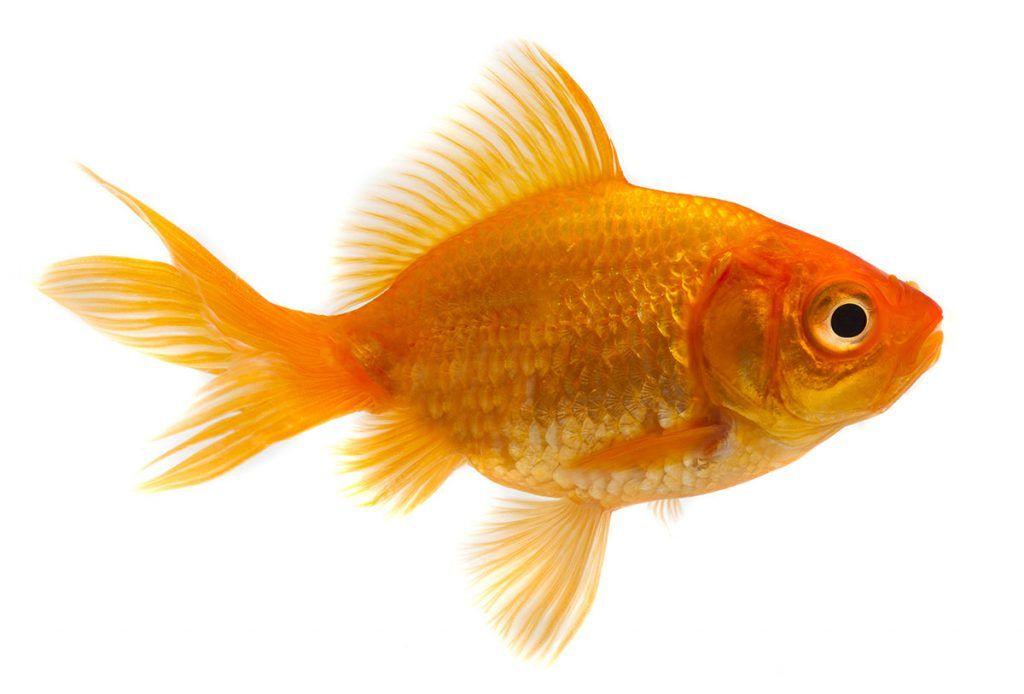
Landed a Goldfish Fishing in Florida City
%2F%2Fusers%2Fa79adb74-76a3-42fb-9008-e47f78bc9b1b%2Fimages%2Ftropical-fish-butler-beach-adventure-12581.png&w=1920&q=75)
Goldfish (Carassius auratus) belong to the Cyprinidae family and Cypriniformes order. These colorful fish can grow surprisingly large in the wild, ranging from 1 to 19 inches and weighing between 1 and 10 pounds when they have ample space and resources. - Goldfish thrive in various freshwater environments including ponds, lakes, streams, and even ditches. - Their distinctive golden-orange coloration makes them instantly recognizable even in natural settings.
Guided Fishing Trip by Instructor Ray Shetty in December
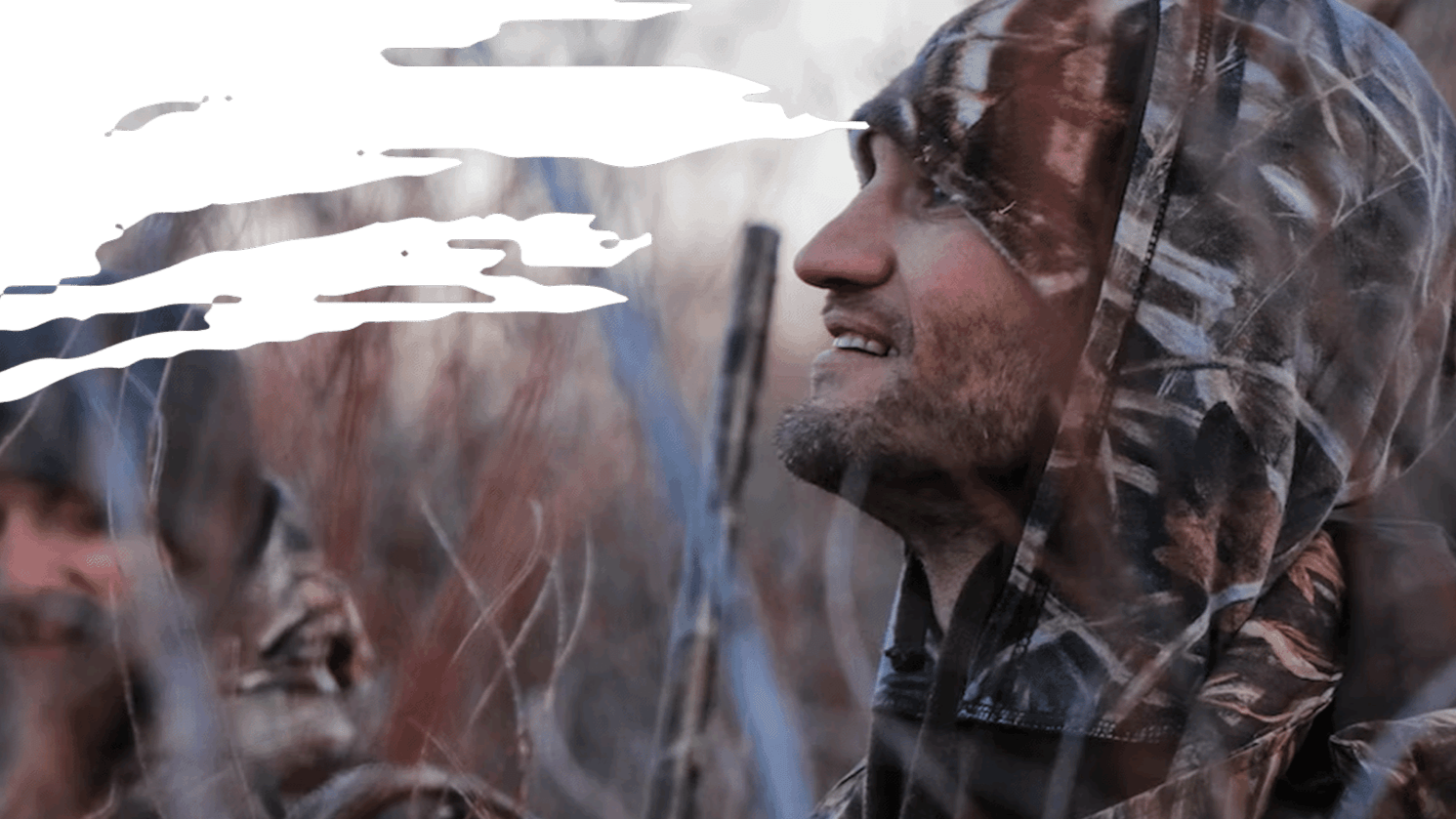
Meet your Instructor Ray Shetty
- Lorem Ipsum


Summary
Our Wednesday September Guided Fishing Trip in Florida City delivered exciting backcountry action despite partly cloudy skies and occasional rain. Ray Shetty guided us through the Kaveri River Basin where the fishing was productive using a mix of fly fishing, spinning, and bait fishing techniques. The local waters yielded Atlantic Sharpnose Shark, Striped Bass, and even a colorful Goldfish. Florida City's backcountry fishing offers incredible opportunities year-round, but the fall season brings some particularly good action. With local knowledge of these productive waters and versatile fishing approaches, Ray Charters creates memorable experiences for anglers looking for that authentic Florida backcountry adventure.
Fishing Charter with Ray Shetty – Rates & Booking
Instructor Ray Shetty of Ray Charters on Wednesday September offers personalized backcountry fishing experiences in the productive waters of Florida City. This trip accommodates 1 guest with all necessary fishing gear provided. Whether you're targeting the unique goldfish population or other backcountry species, Ray's local expertise ensures you'll get the most from your time on the water. Book your adventure today to secure your spot on this exciting Florida fishing experience.
Highlights of Fishing
Our backcountry trip stands out for the diverse fishing techniques we employ across the Kaveri River Basin. From fly casting in the shallows to working deeper channels with spinning gear, we adapt to where the fish are holding and what they're striking. The fall season creates perfect conditions as water temperatures begin to drop, triggering increased feeding activity among multiple species.
During our September trip, we encountered a mix of exciting catches, including the surprisingly vibrant goldfish that make this waterway unique. The ability to switch between techniques keeps the action constant throughout your trip, making this an excellent choice for anglers who appreciate versatility and consistent action regardless of weather conditions.
Local Species Insights: Goldfish
While often thought of as aquarium pets, wild goldfish in Florida's backcountry waters can reach impressive sizes and provide surprisingly good sport on light tackle. These adaptable fish thrive in the warm, nutrient-rich waters of the Kaveri River Basin, where they've established sustainable populations. They respond well to small lures, flies that imitate insects, and various natural baits like worms or small crustaceans.
September fishing for goldfish is particularly productive as they become more active in the slightly cooler fall waters. Ray specializes in locating these colorful fighters in the backcountry waters, targeting areas with plenty of vegetation and protected zones where they congregate. The visual thrill of seeing their bright orange and gold colors flash beneath the surface adds an extra dimension to the fishing experience.
Plan Your Fishing Charter Day
Your backcountry fishing experience begins with an early afternoon departure, allowing for optimal fishing conditions as the day progresses. All necessary equipment is provided, including quality rods, reels, and the most effective terminal tackle for the conditions. We recommend bringing sun protection, a light rain jacket (especially during fall's occasional showers), and a camera to document your catches.
Ray's intimate knowledge of these waters means you'll maximize your fishing time rather than searching for productive spots. The shallow-draft vessel we use is perfectly suited for navigating the backcountry waters safely and efficiently, providing access to areas larger boats simply can't reach. This creates exclusive fishing opportunities in less pressured waters where the fish are more willing to strike.
Fishing in Florida: Goldfish