%2Ffit-in%2F250x250%2Fguide_websites%2F1868%2Fimages%2F17497947853731739775598397image4.jpeg&w=1920&q=100)
Caught a goldfish at Butler Beach in Florida
Goldfish Fishing in Florida City
%2F%2Fusers%2Fa79adb74-76a3-42fb-9008-e47f78bc9b1b%2Fimages%2Fmirror-carp-goldfish-aquarium-butler-4445.png&w=1920&q=75)
Goldfish (Carassius Auratus) belong to the Cyprinidae family and Cypriniformes order, cousins to carp species but distinct in their bright coloration and popularity. These fish typically range from 1 to 19 inches in length and can weigh anywhere from 1 to 10 pounds when they reach maturity in suitable environments. - While commonly thought of as small aquarium pets, wild and pond goldfish can grow substantially larger than their tank-kept relatives. - Goldfish thrive in freshwater habitats including ponds, lakes, streams, and even ditches with adequate vegetation and food sources. - Their bright orange-gold coloration makes them relatively easy to spot in clear waters, especially during feeding times.
Guided Fishing Trip by Instructor Ray Shetty in December
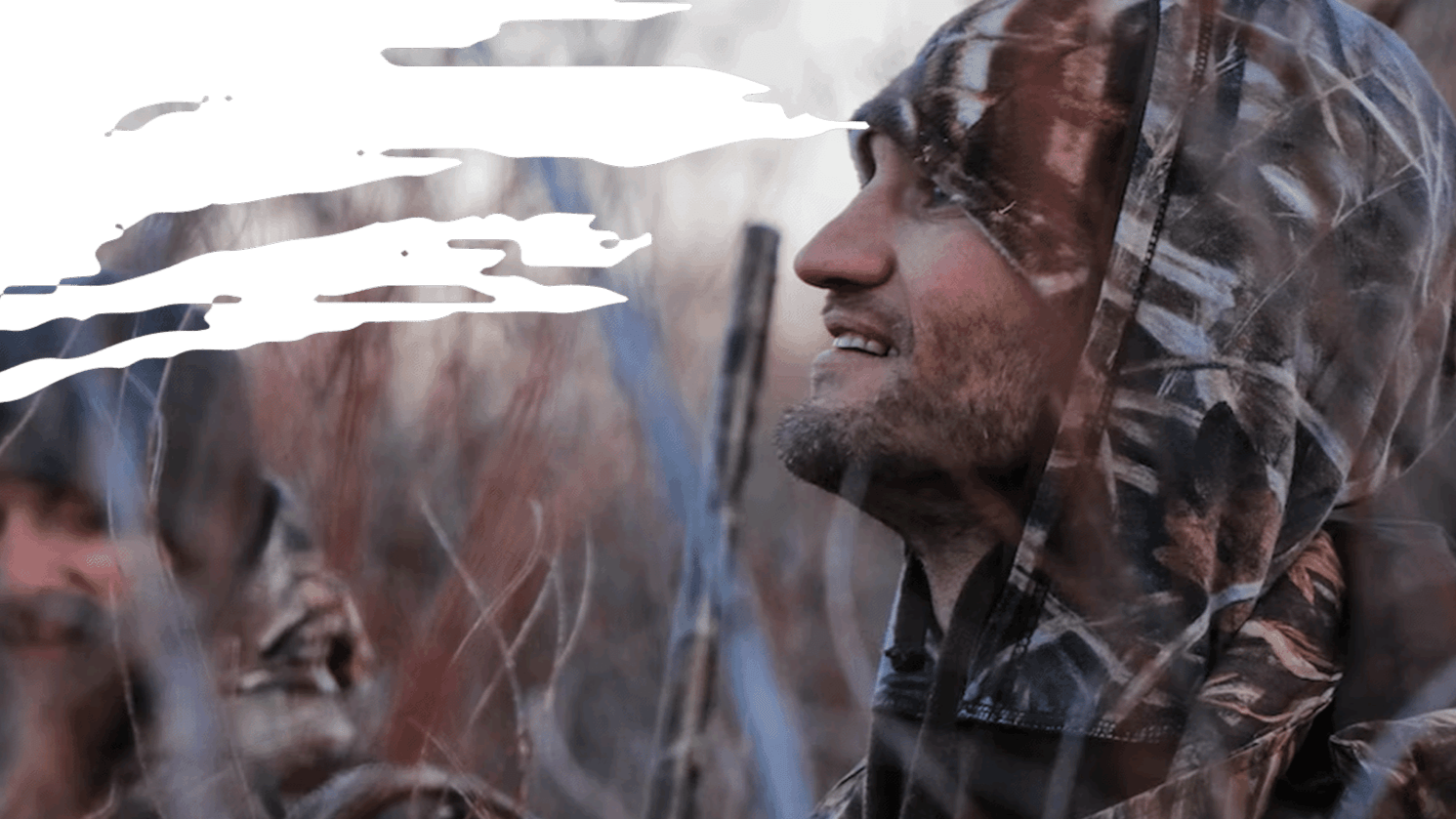
Meet your Instructor Ray Shetty
- Lorem Ipsum


Summary
Monday October brought perfect conditions for a backcountry fishing adventure at Butler Beach in Florida City. Ray Chaters guided this productive fishing charter where we landed both goldfish and mirror carp in the shallows. The partly cloudy skies and consistent water conditions made for excellent fishing throughout our afternoon session. Butler Beach continues to be one of Florida City's most reliable fishing spots, offering diverse structure and consistent action even as fall weather patterns begin to shift. Whether you're targeting specific species or just looking to bend the rod on whatever's biting, these productive backcountry waters deliver reliable action for anglers of all experience levels.
Fishing Charter with Ray Shetty – Rates & Booking
Instructor Ray Shetty of Ray Charters on Monday October offers guided backcountry fishing trips targeting goldfish and mirror carp in the productive waters of Butler Beach. Our fishing charters provide all necessary gear and expert guidance to help you find the most productive spots where these species are consistently caught. We focus on creating a comfortable and successful fishing experience for anglers of all skill levels. With our deep knowledge of local waters and seasonal fish behavior, we maximize your chances of landing quality fish during your trip.
Highlights of Fishing
Our backcountry fishing trips around Butler Beach offer some of the most diverse fishing opportunities in the Florida City area. The water conditions and structure make this location ideal for targeting various species throughout the fall season. During our recent trip, we successfully caught both goldfish and mirror carp while working the productive shallows.
The backcountry waters feature varying depths and structure that create perfect habitat for these species. Our approach focuses on reading the water and adjusting techniques to match the conditions, ensuring consistent action even as seasonal patterns shift. Whether you're an experienced angler or new to fishing, these waters provide excellent opportunities to catch fish.
Local Species Insights: Goldfish
Goldfish in the Butler Beach area thrive in the backcountry waters that feature aquatic vegetation and varying depths. When fishing for goldfish in Florida City, we focus on the shallower areas with good plant coverage where these colorful fish tend to congregate. Fall is particularly productive as the water temperatures remain comfortable for active feeding.
For mirror carp, we target slightly deeper pockets near structure where these larger fish often hold. Both species respond well to properly presented bait and provide excellent sport on appropriate tackle. The fall season is ideal for targeting these species as they remain active and are often found in predictable locations throughout Butler Beach's diverse ecosystem.
Plan Your Fishing Charter Day
For your backcountry fishing adventure, we recommend wearing comfortable clothing suited to the weather conditions and bringing sun protection, including hats, sunglasses, and sunscreen. Our trips include all necessary fishing equipment, but you're welcome to bring your favorite gear if preferred. We typically accommodate up to 1 guest comfortably, creating a personalized fishing experience.
Trips begin with a brief orientation about the day's plan, target species, and techniques we'll be using. Once on the water, we'll visit multiple productive spots based on current conditions and fish activity. Throughout your charter, your instructor will provide guidance on techniques and share knowledge about the local ecosystem and fish behavior.
Fishing in Florida: Goldfish
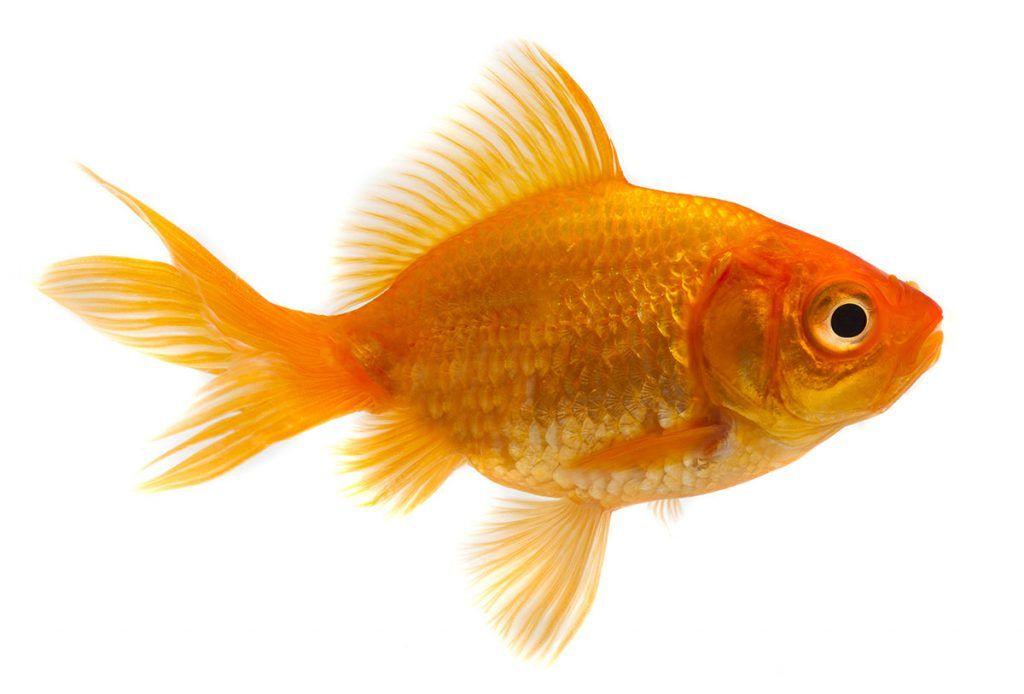
Goldfish (Carassius Auratus) are vibrant members of the Cyprinidae family within the Cypriniformes order. Known for their distinctive golden-orange coloration, these fish have become one of the most recognizable freshwater species worldwide, both in captivity and in naturalized wild populations. In Florida City waters this October, goldfish populations maintain healthy numbers in the backcountry areas with good vegetation coverage.
Goldfish Overview
Goldfish are domesticated variants of a wild carp native to East Asia, selectively bred for centuries for their color mutations and distinctive body shapes. While often thought of as small aquarium fish, they can grow much larger in natural settings, becoming substantial sport fish that put up a surprising fight when hooked.
Goldfish Habitat and Distribution
These adaptable fish thrive in slow-moving, vegetated freshwater environments including ponds, lakes, quiet streams, and ditches. They prefer areas with abundant plant life and soft substrate for foraging. Near Florida City, they're particularly common in backcountry waters like those found at Butler Beach, where the ecosystem provides ideal conditions for sustaining populations.
Goldfish Size and Weight
While aquarium specimens typically remain small, wild goldfish regularly reach 8-10 inches and can grow up to 19 inches in favorable conditions. Their weight ranges from 1 pound for average specimens to as much as 10 pounds for exceptionally large individuals. The size potential makes them an interesting target for light tackle fishing.
Goldfish Diet and Behavior
Goldfish are omnivorous feeders, consuming algae, aquatic plants, insects, crustaceans, and various organic matter. They typically feed by rooting through bottom sediments, creating visible clouds of disturbed substrate. They're most active during dawn and dusk periods, though they can be caught throughout the day in areas with good cover.
Goldfish Spawning Season
Spawning activity peaks in spring through early summer when water temperatures reach 60-70°F. During this time, males develop small white tubercles on their gills and pectoral fins. Females scatter adhesive eggs among aquatic vegetation, with a single female capable of producing thousands of eggs per spawning event.
Goldfish Fishing Techniques
For targeting goldfish, small bread balls, corn kernels, and dough baits prove highly effective when fished near the bottom. Light spinning tackle with 4-6 pound test line and small hooks (#6-10) work best. In October, anglers around Florida City find them congregating in shallow vegetated coves during the midday warmth. Patience is key, as goldfish can be finicky biters that require a delicate presentation and minimal disturbance.
Goldfish Is It Good to Eat?
Goldfish are edible with white, mild-flavored flesh, but they're rarely targeted as food fish in the United States. Their small size typically yields limited meat, and cultural perceptions of goldfish as pets rather than food fish limit their culinary popularity. From a nutritional standpoint, they contain protein and omega-3 fatty acids like other freshwater fish, but better eating options exist among gamefish species.
Goldfish Frequently Asked Questions
Q: What is the best bait for goldfish?
A: The most effective baits for goldfish include sweet corn kernels, bread balls, small dough balls with vanilla extract, and commercially prepared carp baits. Natural baits like small worms and insect larvae also work well in areas where goldfish are accustomed to foraging for natural foods.
Q: Where can I find goldfish near Florida City?
A: Look for goldfish in sheltered, vegetated areas of Butler Beach and other backcountry waters around Florida City. They prefer areas with submerged plants, lily pads, and protected coves that provide both cover and feeding opportunities.
Q: Is goldfish good to eat?
A: While technically edible with a mild flavor, goldfish aren't commonly consumed in the United States. They're generally considered more valuable as sport or ornamental fish than as table fare, and their small size typically provides limited meat yield compared to other freshwater species.
Q: When is the best time to catch goldfish?
A: Early morning and late afternoon are typically the most productive times for catching goldfish, especially during warmer months. In October in Florida City, the mid-morning hours after the water has warmed slightly often produce the best action as the fish become more active feeders.
Q: How big can goldfish grow in the wild?
A: While pet goldfish often remain small due to confined spaces, wild goldfish can reach impressive sizes - up to 19 inches and 10 pounds in optimal conditions with abundant food sources and proper habitat.
Q: Are goldfish invasive in Florida waters?
A: Yes, goldfish are considered non-native and potentially invasive in Florida waters. They can compete with native species for resources and alter habitat conditions through their bottom-feeding behavior, which stirs up sediment and may affect water clarity and plant growth.