%2Ffit-in%2F250x250%2Fguide_websites%2F1868%2Fimages%2F17497947853731739775598397image4.jpeg&w=1920&q=100)
//users/a79adb74-76a3-42fb-9008-e47f78bc9b1b/ratecard/image24-mp28tj75.jpg)
%2Ffit-in%2F300x300%2Fusers%2Fa79adb74-76a3-42fb-9008-e47f78bc9b1b%2Fratecard%2Fimage24-mp28tj75.jpg&w=256&q=75)
%2F300x300%2Fusers%2Fa79adb74-76a3-42fb-9008-e47f78bc9b1b%2Fimages%2Fscalloped-hammerhead-florida-blue-water-7567.png&w=256&q=75)
%2F300x300%2Fusers%2Fa79adb74-76a3-42fb-9008-e47f78bc9b1b%2Fimages%2Fgreat-white-shark-florida-ny-6243.png&w=256&q=75)
%2F300x300%2Fusers%2Fa79adb74-76a3-42fb-9008-e47f78bc9b1b%2Fimages%2Fbull-shark-florida-deep-ocean-7377.png&w=256&q=75)
%2F300x300%2Fusers%2Fa79adb74-76a3-42fb-9008-e47f78bc9b1b%2Fimages%2Frainbow-trout-florida-city-2384.jpg&w=256&q=75)
%2F300x300%2Fusers%2Fa79adb74-76a3-42fb-9008-e47f78bc9b1b%2Fimages%2Fflorida-city-outdoor-adventure-3069.jpg&w=256&q=75)
%2F300x300%2Fusers%2Fa79adb74-76a3-42fb-9008-e47f78bc9b1b%2Fimages%2Fsilver-orange-fish-catch-florida-3330.png&w=256&q=75)
%2F300x300%2Fusers%2Fa79adb74-76a3-42fb-9008-e47f78bc9b1b%2Fimages%2Ftropical-fish-computer-screen-florida-2604.png&w=256&q=75)
%2F300x300%2Fusers%2Fa79adb74-76a3-42fb-9008-e47f78bc9b1b%2Fimages%2Fsilver-fish-orange-fins-florida-12018.png&w=256&q=75)
%2F300x300%2Fusers%2Fa79adb74-76a3-42fb-9008-e47f78bc9b1b%2Fimages%2Frainbow-trout-catch-florida-ny-10381.png&w=256&q=75)
%2F300x300%2Fusers%2Fa79adb74-76a3-42fb-9008-e47f78bc9b1b%2Fimages%2Fblue-basket-silver-fish-florida-3127.png&w=256&q=75)
World-Class Wreck Fishing Ray Chaters
 Florida Public Library, 4 Cohen Cir, Florida, NY 10921, United States
What you will be catching:
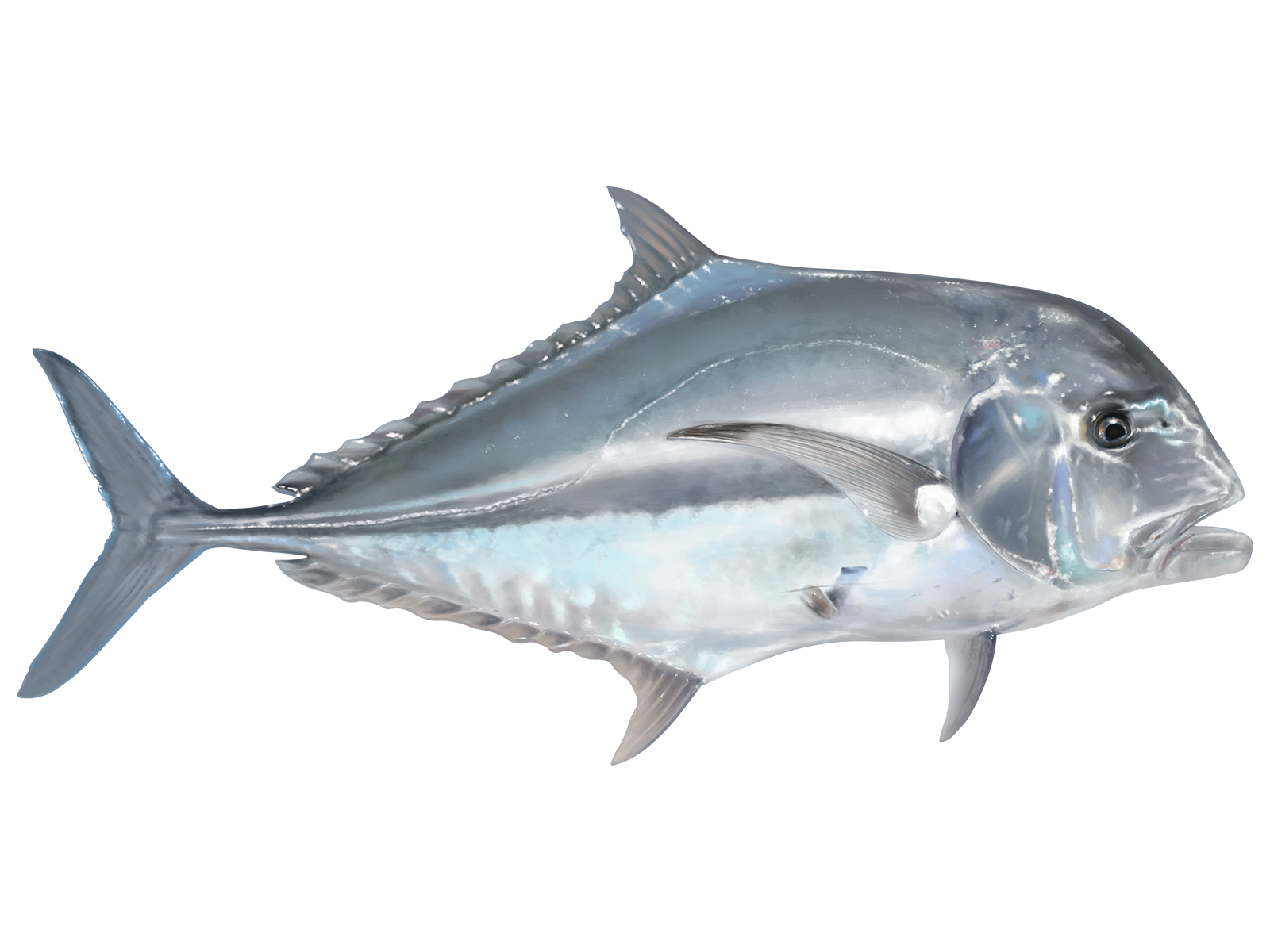 African Pompano
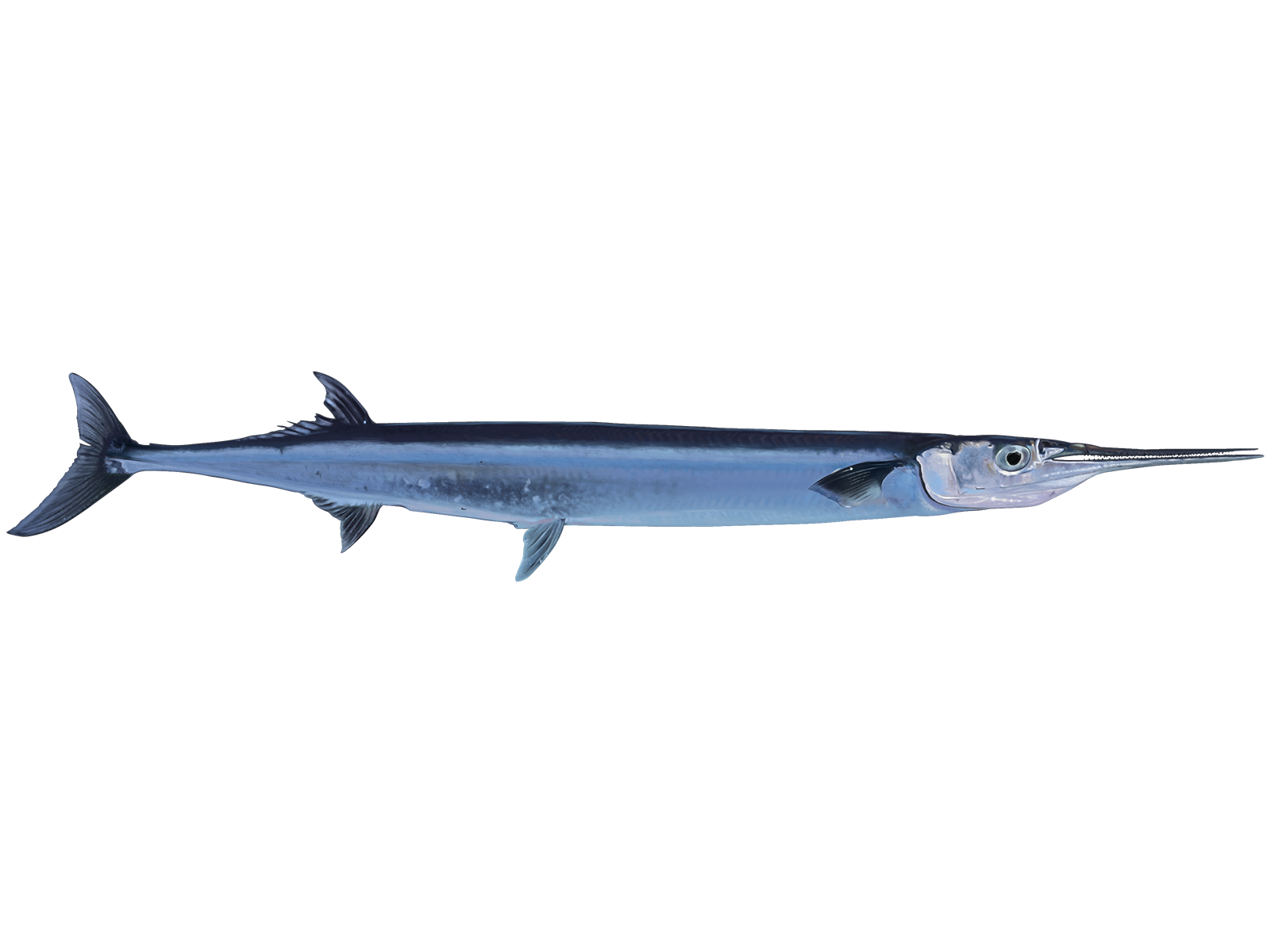 Agujon Needlefish
 Albacore Tuna
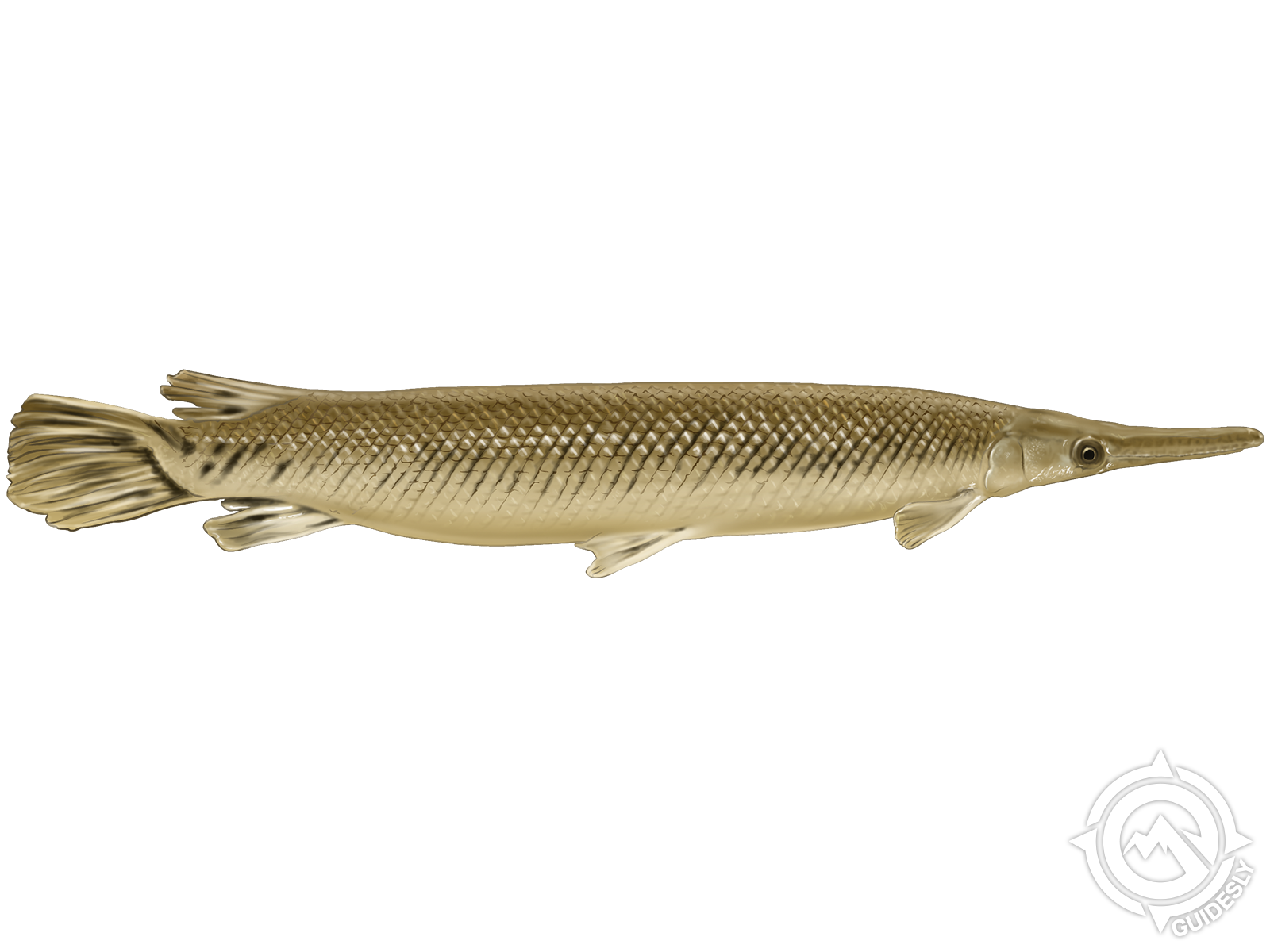 Alligator Gar
- Small group fishing adventure for maximum four guests
- Professional charter service specializing in wreck exploration
- Targeted fishing experience at underwater wreck locations
Trip Pricing and Availabilities :
Wreck Fishing Adventure with Ray Chaters
Ready to drop lines on some serious underwater structure? Ray Chaters knows exactly where the fish stack up around the best wrecks in these waters. This isn't your typical day of casting around hoping something bites – we're talking about targeting specific structure where big fish call home. With space for just 4 anglers, you get the personalized attention that makes all the difference between going home empty-handed and landing the fish of a lifetime. Ray's been working these wrecks for years, and he's dialed in on exactly what it takes to put you on fish when they're feeding.
What to Expect on the Water
This top-rated wreck fishing trip puts you right where the action happens. Ray runs a tight ship with all the gear you need to handle whatever comes up from the depths. The boat's equipped with quality fish finders and GPS to mark the best spots, plus all the tackle setups you'll need for different techniques. Since we're keeping the group small at 4 guests max, everyone gets plenty of room to work and Ray can focus on making sure your presentation is dialed in. The wrecks we fish hold different species depending on the season and conditions, so every trip has its own personality. Some days the fish are stacked deep, other times they're cruising mid-water – Ray reads the signs and adjusts the game plan accordingly.
Techniques & Tackle Setup
Wreck fishing is all about precision and the right approach for the conditions. We'll be working with heavy tackle capable of pulling fish away from structure, plus lighter setups when the situation calls for finesse. Ray's got you covered with circle hooks, strong leaders, and weights that get your bait down to where the fish are holding. Depending on what's biting, we might be bottom fishing with cut bait, working live offerings around the edges of the structure, or even jigging vertically when the fish are suspended. The key is reading the fish finder and understanding how different species relate to the wreck. Ray knows when to anchor up and when to drift, plus he's got backup spots marked when Plan A isn't producing. You'll learn the difference between productive structure and empty water, skills that'll make you a better angler long after this trip ends.
Target Species Breakdown
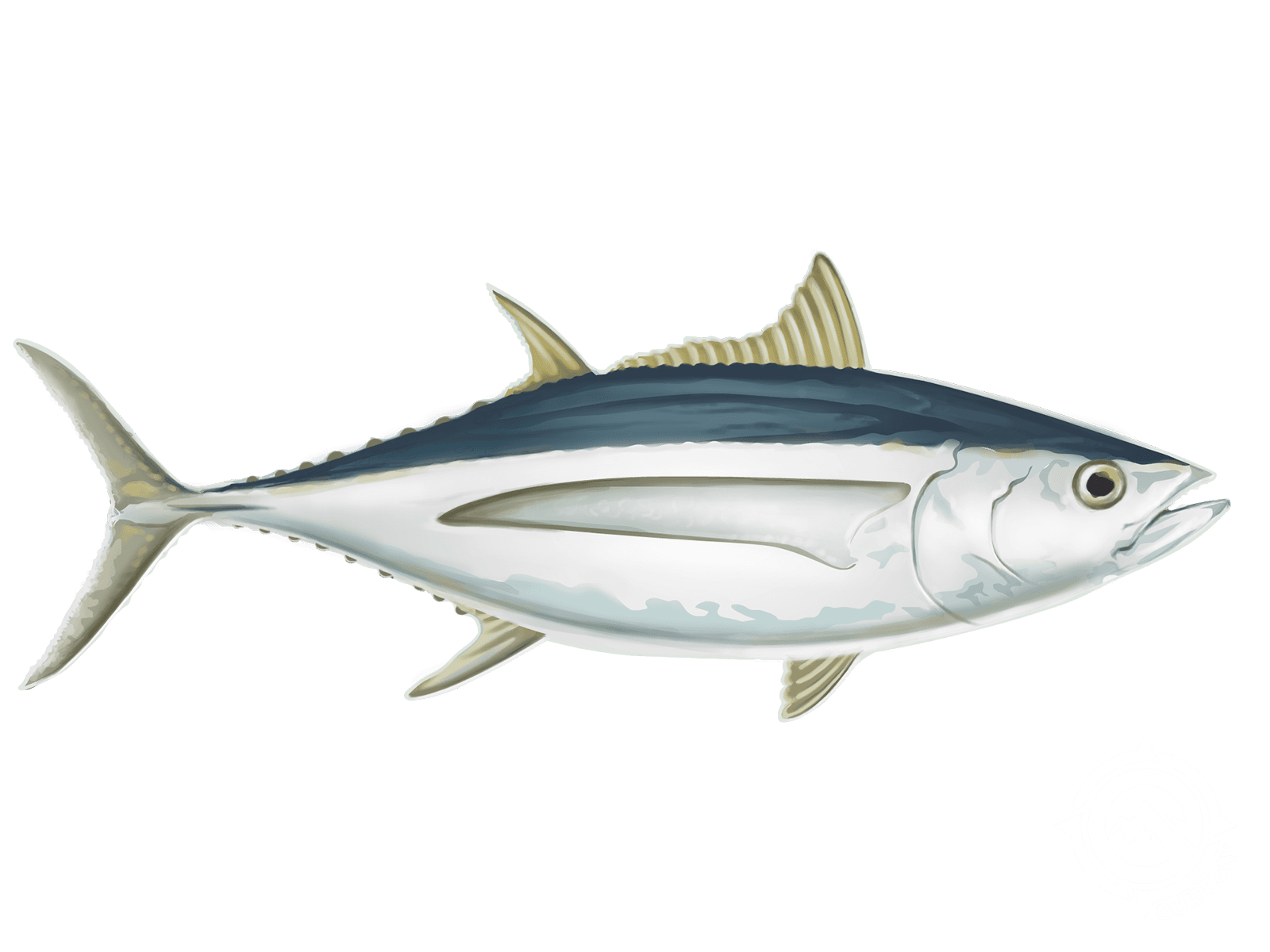
Albacore Tuna bring serious fight to any wreck fishing adventure. These silver bullets can show up around structure when conditions are right, typically running 20-40 pounds in these waters. They're fast, strong, and known for making blistering runs that'll test your drag system. Best targeting happens when water temps are stable and baitfish are thick around the wrecks. What makes albacore special is their stamina – they don't give up easy, and when you finally get one to the boat, the meat quality is world-class. Ray knows the seasonal patterns and can put you in position when these speedsters are feeding.
African Pompano are the wildcard species that can make any trip legendary. These deep-bodied fighters are built for power, with broad sides that catch current and make them incredibly difficult to control once hooked. They typically show up around structure in the 15-30 pound range, though bigger specimens are always possible. The best action usually happens during warmer months when they move shallow to feed. What gets anglers fired up about pompano is their unpredictable nature – they might ignore your offerings all day, then suddenly appear in numbers. When they're on the feed, their aggressive strikes and bulldogging fights create memories that last a lifetime.
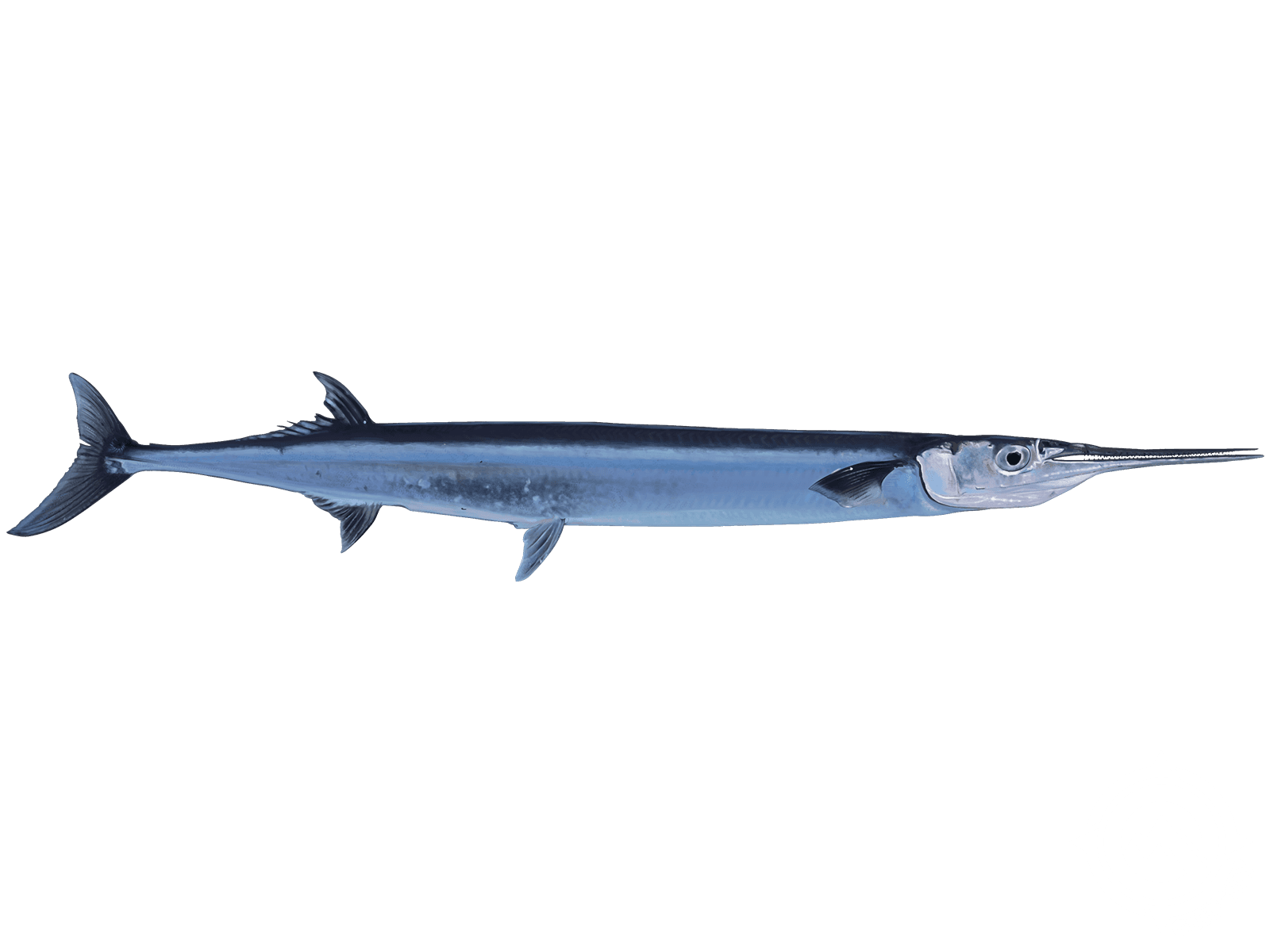
Agujon Needlefish bring a completely different dimension to wreck fishing. These long, slender predators are built for speed and equipped with needle-sharp teeth that can slice through careless presentations. They're surface-oriented hunters that often show up when least expected, creating explosive topwater action around structure. Size-wise, they can stretch over 3 feet and put up surprising fights for their build. Peak activity typically happens during dawn and dusk periods when they're actively hunting baitfish. Anglers love needlefish because they're visual feeders that create heart-stopping surface strikes, plus they're excellent table fare when prepared properly.
Alligator Gar represent the apex predator experience in wreck fishing. These prehistoric giants can reach massive proportions, with fish over 6 feet and 100+ pounds calling these structures home. They're ambush hunters with bone-crushing jaws filled with rows of razor-sharp teeth. The best targeting happens with large live or cut baits fished near bottom around heavy structure. What makes gar fishing so addictive is the pure power these fish possess – when a big one decides to move, there's nothing subtle about it. They're living fossils that have survived virtually unchanged for millions of years, making every encounter feel like a step back in time. Ray's got the heavy tackle and experience needed to handle these monsters safely.
Time to Book Your Spot
Ray Chaters delivers the kind of wreck fishing experience that keeps anglers coming back season after season. With proven spots, quality gear, and the skills to adapt when conditions change, this customer favorite trip puts you in the best position to connect with the fish you're after. The small group size means personalized attention and plenty of space to work, whether you're an experienced angler looking to up your game or someone new to wreck fishing who wants to learn from a pro. Don't wait – the best fishing dates fill up fast, and Ray's reputation for putting clients on fish makes his calendar book solid. Secure your spot today and get ready to experience what world-class wreck fishing is all about.
Learn more about the animals
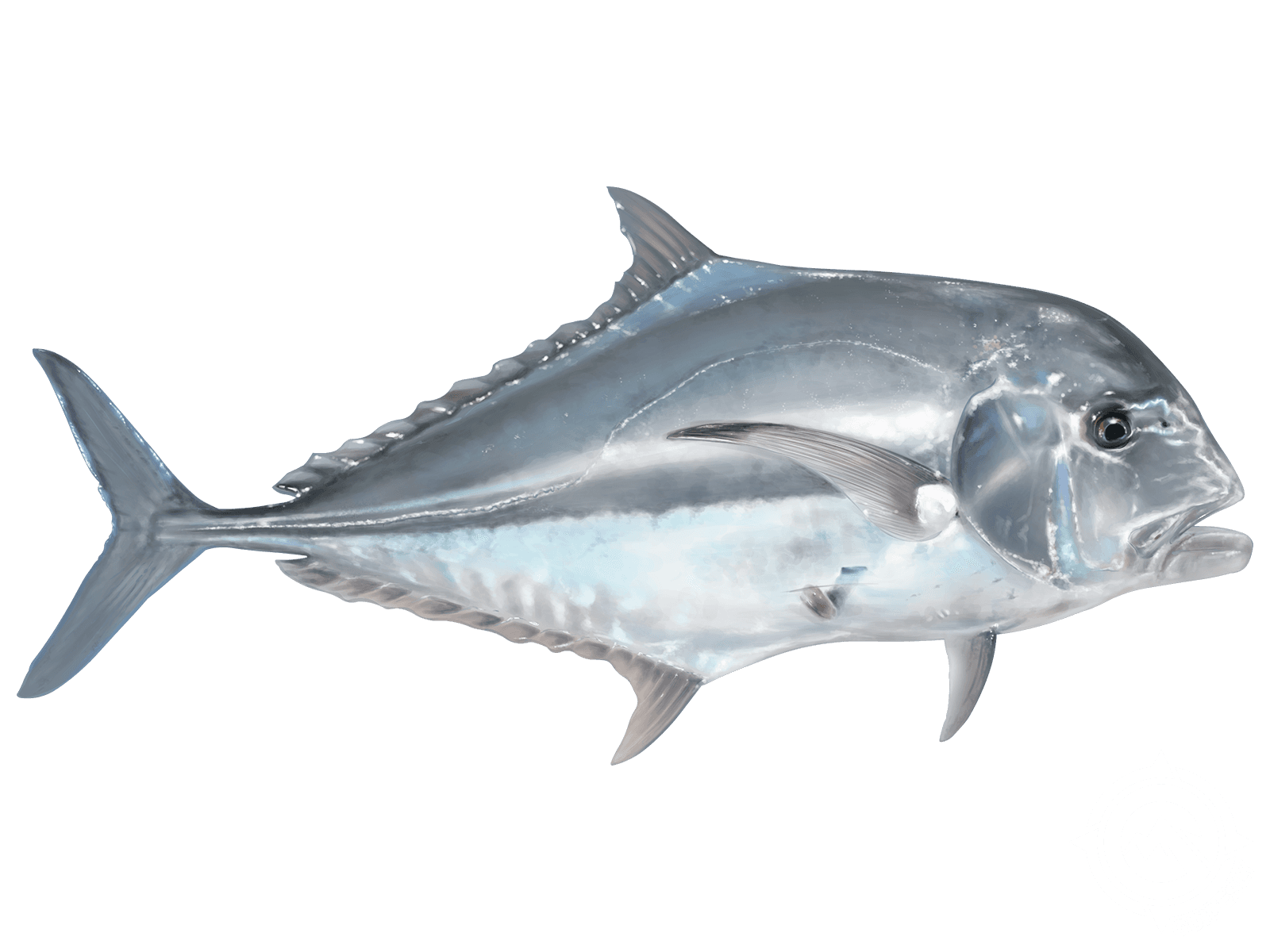
African Pompano
Part of the jack family, these silvery, diamond-shaped fish are real speedsters that love chasing shiny objects. Juveniles hang close to shore with those long trailing filaments, but adults roam deeper waters from 30 to 250 feet over sandy bottoms and reefs. They're aggressive feeders on crustaceans and small fish, which makes them fun to target year-round in warmer months. What guests love about pompano is their strong runs and acrobatic jumps - plus they're excellent eating. The current record is over 50 pounds, so there's always potential for something special. My advice: use bright jigs or live bait and keep them moving. These fish are attracted to flash and motion, so don't be afraid to work your lures aggressively through the water column.
Agujon Needlefish
These prehistoric-looking fish with their long, pointed beaks are found in shallow waters and surface areas where they hunt small fish and zooplankton. They typically run 35 inches but can hit 5 feet and 8 pounds. You'll spot them cruising near reefs and shallow flats, especially when they're feeding in schools with males defending their territory. While most anglers catch and release due to their green-colored meat, they're actually fun to target for their unique appearance and aggressive strikes. The challenge is their smart feeding behavior - they'll mouth bait without getting hooked. My tip: use sharp hooks and shiny spoons or jerkbaits, give a quick jerk to set the hook, but don't overdo it. They'll drop the bait if they feel too much pressure on the line.
Albacore Tuna
These bullet-shaped speedsters are built for the open ocean, running 18-25 inches and 20-45 pounds on average. You'll find them in deep subtropical waters where they travel in massive schools - sometimes up to 19 miles wide, which makes for some serious action when you hook into them. March through July is prime time when they're spawning and feeding heavily during daylight hours. What makes albacore special is the fight and the table fare - they're the only tuna you can legally call "white meat" with that firm texture and mild flavor everyone loves. My tip: when trolling, keep lures 50-90 feet back and once you hook that first fish, work fast. If it breaks off, the whole school will scatter and you'll lose your shot.
Alligator Gar
These living fossils are the largest freshwater fish you can target, reaching 4-6 feet and 100+ pounds with armor-like scales and razor-sharp teeth that'll remind you of their alligator namesake. Find them in deep river bends, backwaters, and lakes throughout the South, especially during hot, dry late summer when they move into predictable spots. They can breathe air and water, making them unique predators that'll take everything from fish to small mammals. What makes them special is the prehistoric experience - it's like hooking into a dinosaur. The fight is powerful but different from other fish. My tip: use cut carp or shad on a 5/0 treble hook below a bright bobber, and remember these are catch-and-release only fish, so handle with care and respect.

About the Test Dune Buggy
%2F%2Fusers%2Fa79adb74-76a3-42fb-9008-e47f78bc9b1b%2Fvehicle_picture%2Fjet-skiiing.jpg&w=1920&q=75)
Vehicle Guest Capacity: 1