%2Ffit-in%2F250x250%2Fguide_websites%2F1868%2Fimages%2F17497947853731739775598397image4.jpeg&w=1920&q=100)
//users/a79adb74-76a3-42fb-9008-e47f78bc9b1b/ratecard/woman-1190396_1280.jpg)
%2Ffit-in%2F300x300%2Fusers%2Fa79adb74-76a3-42fb-9008-e47f78bc9b1b%2Fratecard%2Fwoman-1190396_1280.jpg&w=256&q=75)
%2Ffilters%3Aformat(webp)%2F300x300%2F3c946e53-962a-434c-9b9c-89bf7ae3cfce%2Freport%2Fsocial%2Fimages%2Freport%2Fsnorkeling-tropical-fish-coral-reef-3470.png&w=256&q=75)
%2Ffilters%3Aformat(webp)%2F300x300%2F3c946e53-962a-434c-9b9c-89bf7ae3cfce%2Freport%2Fsocial%2Fimages%2Freport%2Fbull-shark-diving-butler-beach-10203.png&w=256&q=75)
%2Ffilters%3Aformat(webp)%2F300x300%2Ff7c9f1f5-ed81-4220-818a-1ff11f02caf3%2Freport%2Fsocial%2Fimages%2Freport%2Fschool_colorful_little_fishies_144121.png&w=256&q=75)
%2Ffilters%3Aformat(webp)%2F300x300%2Ff7c9f1f5-ed81-4220-818a-1ff11f02caf3%2Freport%2Fsocial%2Fimages%2Freport%2Freeling_good_time_open_248665.png&w=256&q=75)
%2Ffilters%3Aformat(webp)%2F300x300%2Ff7c9f1f5-ed81-4220-818a-1ff11f02caf3%2Freport%2Fsocial%2Fimages%2Freport%2Freeled_good_one_644784.png&w=256&q=75)
%2Ffilters%3Aformat(webp)%2F300x300%2Ff7c9f1f5-ed81-4220-818a-1ff11f02caf3%2Freport%2Fsocial%2Fimages%2Freport%2Fout_open_water_chasing_158352.png&w=256&q=75)
%2Ffilters%3Aformat(webp)%2F300x300%2Ff7c9f1f5-ed81-4220-818a-1ff11f02caf3%2Freport%2Fsocial%2Fimages%2Freport%2Fcaught_mahi_mahi_out_150584.png&w=256&q=75)
%2Ffilters%3Aformat(webp)%2F300x300%2Ff7c9f1f5-ed81-4220-818a-1ff11f02caf3%2Freport%2Fsocial%2Fimages%2Freport%2Fcaught_couple_tuna_beautiful_303734.png&w=256&q=75)
%2Ffilters%3Aformat(webp)%2F300x300%2F20a77afe-c837-4cfe-b139-f206c5427422%2Freport%2Fsocial%2Fimages%2Freport%2Fmesmerizing_turtle_soaring_over_297707.png&w=256&q=75)
%2Ffilters%3Aformat(webp)%2F300x300%2F20a77afe-c837-4cfe-b139-f206c5427422%2Freport%2Fsocial%2Fimages%2Freport%2Fexploring_sunken_wreck_reeling_225775.png&w=256&q=75)
World Class Scuba Diving with Ray Chaters
 Florida Public Library, 4 Cohen Cir, Florida, NY 10921, United States
What you will be catching:
 Albacore Tuna
 Alligator Gar
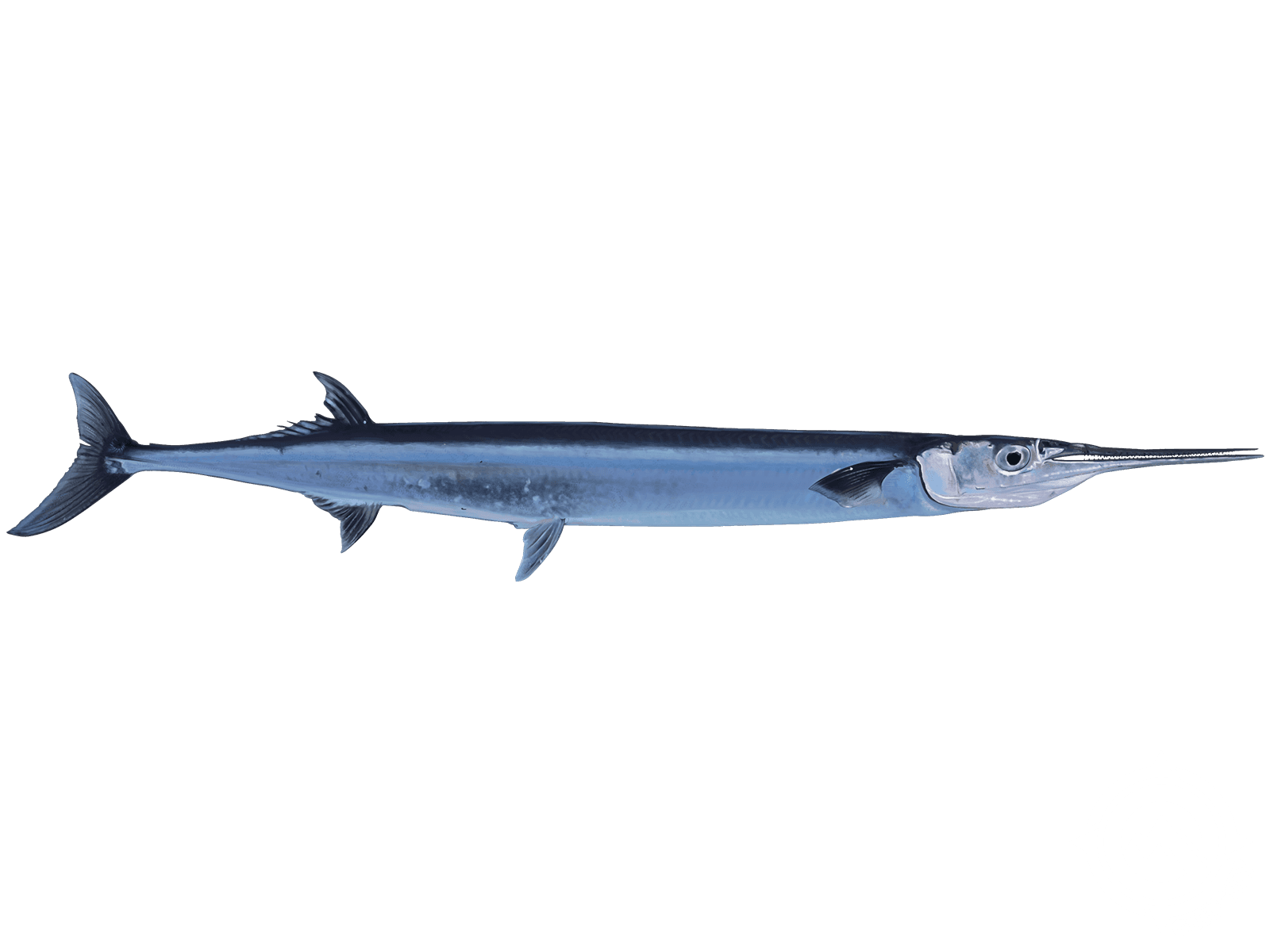
 Agujon Needlefish
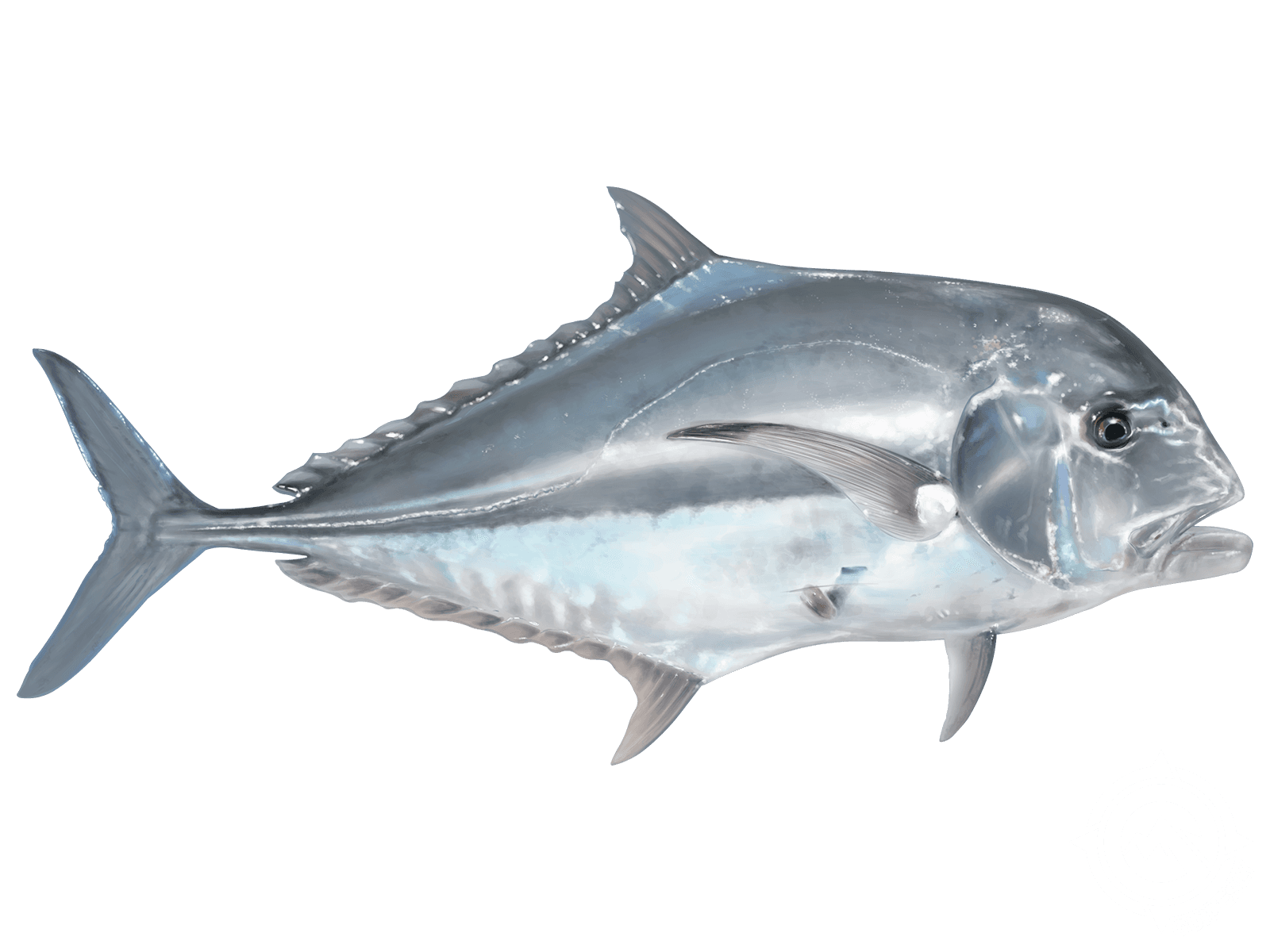
 African Pompano
- Explore underwater marine life and coral reefs with specialized equipment
- Single guest capacity ensures personalized diving experience with Ray Charters
- Professional activity suitable for recreation, research, and underwater photography
Trip Pricing and Availabilities :
Discover Scuba Diving with Ray Charters
Ready to breathe underwater and see what lies beneath? This scuba diving adventure opens up a whole new world where you'll glide through crystal-clear waters and come face-to-face with marine life that most people only see in documentaries. Whether you're a complete beginner getting your first taste of underwater exploration or a certified diver looking to expand your logbook, this personalized one-on-one experience gives you the focused attention you need to make the most of every moment below the surface. The ocean holds secrets that can't be discovered from above – coral gardens teeming with colorful fish, mysterious structures on the seafloor, and wildlife encounters that'll have you planning your next dive before you even surface.
Beneath the Surface
Picture yourself descending into an underwater paradise where every breath comes easy and every fin kick takes you deeper into adventure. This isn't your typical crowded dive boat experience – with just one guest per trip, you get the full attention of your dive professional and can move at your own pace. The beauty of this setup means whether you want to spend extra time photographing that perfect coral formation or need a few more minutes to get comfortable with your buoyancy, there's no pressure from other divers. You'll start with a thorough briefing covering hand signals, safety procedures, and what to expect on your descent. The underwater landscape varies dramatically depending on conditions, but you can count on encountering diverse marine ecosystems that showcase the incredible biodiversity our oceans support. From shallow coral gardens perfect for new divers to deeper structures that attract larger pelagic species, each dive site offers something unique. The personalized nature of this trip means your guide can adapt the dive plan based on your comfort level and interests – want to focus on macro photography? We can do that. Prefer to cover more ground and see bigger fish? That works too.
Dive Brief & Gear Info
Your underwater adventure starts with proper equipment and technique. All essential scuba gear is provided, including a well-maintained regulator system that delivers smooth, easy breathing at any depth, a comfortable mask that provides crystal-clear vision, and fins sized perfectly for efficient movement through the water. Your buoyancy control device (BCD) will be properly fitted and adjusted, ensuring you can hover effortlessly and control your position in the water column. The dive computer monitors your depth, bottom time, and decompression status, so you can focus on the amazing sights around you rather than constantly checking gauges. Before entering the water, you'll go through equipment checks and review essential skills like mask clearing, regulator recovery, and emergency procedures. The beauty of one-on-one instruction means you can ask questions without feeling rushed and practice any skills that need refinement. Entry techniques vary based on conditions – sometimes you'll do a giant stride entry from a boat platform, other times a controlled shore entry where you can take your time adjusting to the underwater environment. Your guide will demonstrate proper finning techniques to help you move efficiently while minimizing impact on delicate coral and marine life. Throughout the dive, communication happens through standard hand signals, and your guide will point out interesting marine life and geological features that might be easy to miss on your own.
Marine Life You'll See
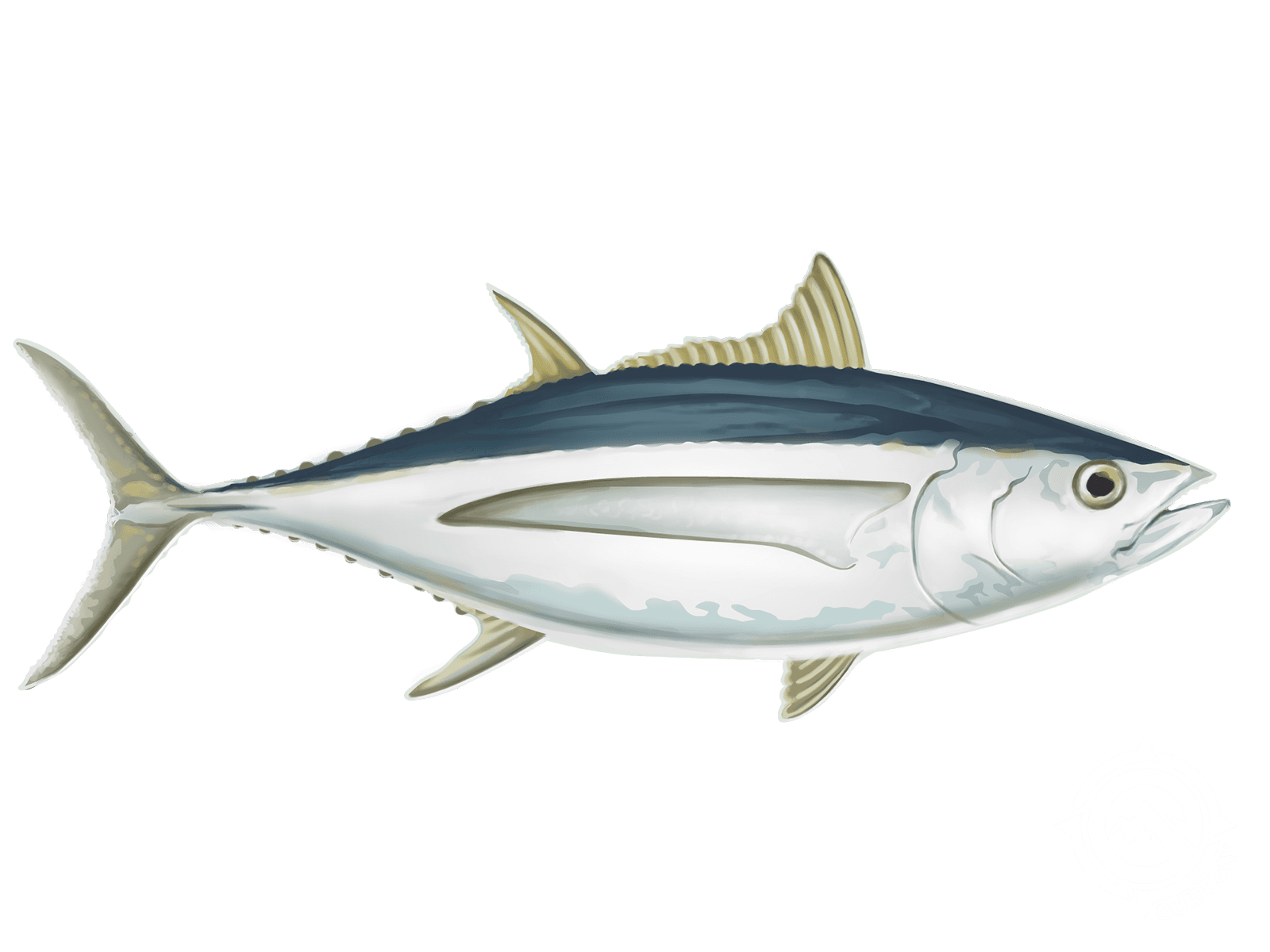
Albacore Tuna command attention when they cruise through the diving area with their streamlined bodies cutting through the water at impressive speeds. These powerful fish can reach lengths of four feet and are built for endurance, with their distinctive long pectoral fins and metallic blue coloration that shifts beautifully in underwater lighting. You'll typically spot them during warmer months when they follow baitfish into shallower waters, often appearing in small schools that move with synchronized precision. What makes encountering albacore special is their curious nature – they'll often approach divers for a closer look before disappearing into the blue with lightning speed.
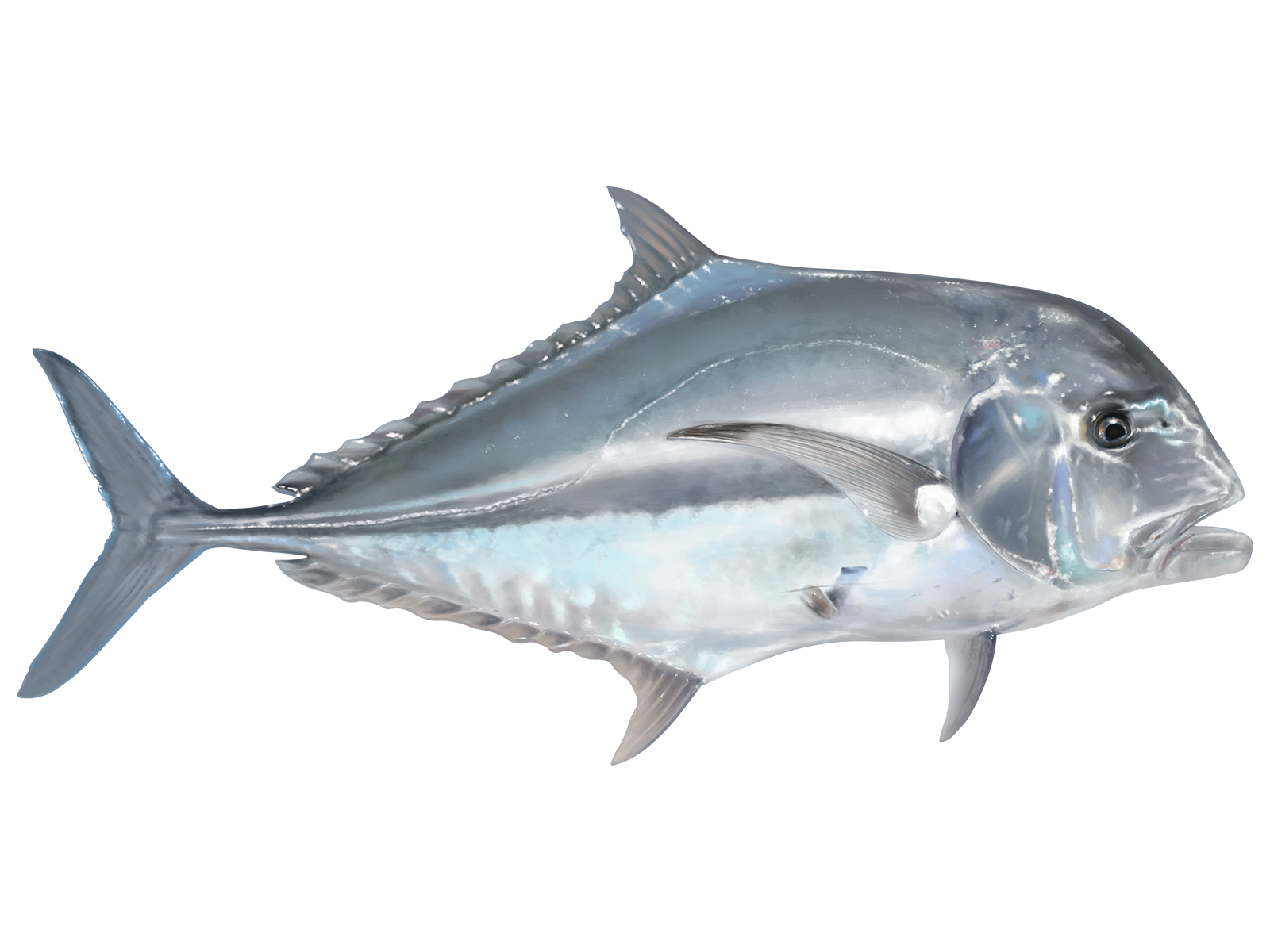
African Pompano bring serious wow factor to any dive with their distinctive elongated dorsal and anal fins that flow like underwater ribbons. These elegant fish can grow quite large, with mature specimens reaching over three feet in length and displaying brilliant silver sides that catch and reflect available light. They're most commonly seen around structures and drop-offs where they hunt smaller fish, and their behavior changes throughout the year based on water temperature and food availability. During peak season, you might encounter small groups patrolling the reef, but solitary individuals are more common and often less wary of approaching divers. Their graceful swimming style and impressive size make them a photographer's dream.
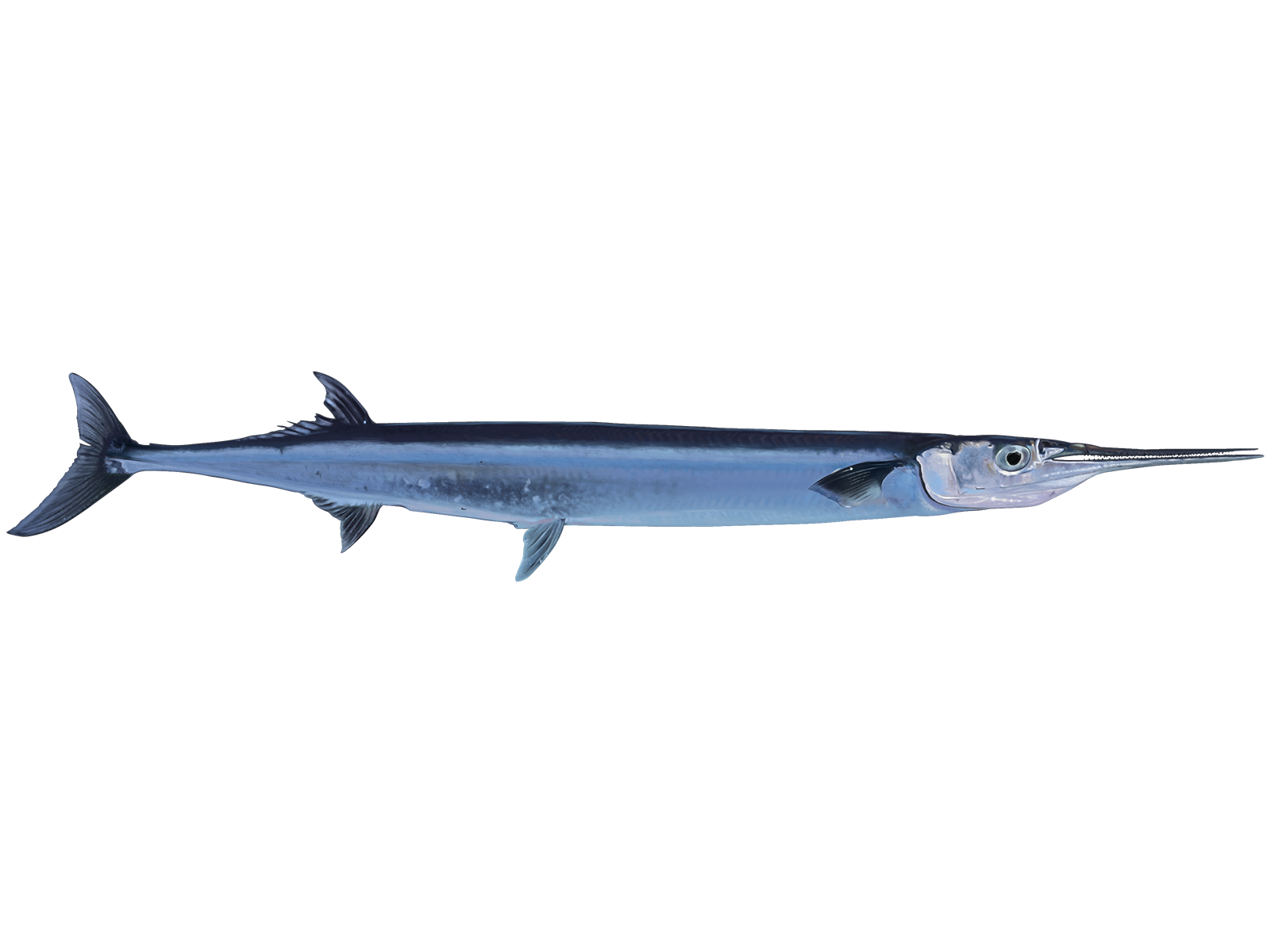
Agujon Needlefish create some of the most memorable surface encounters, with their needle-like bills and slender bodies perfectly adapted for life in shallow waters. These fascinating fish can exceed three feet in length and are often seen near the surface, especially during dawn and dusk when they actively hunt small fish. What's particularly interesting about agujon is their jumping behavior – they'll often leap from the water when startled, creating quite a spectacle. Underwater, they're surprisingly approachable and will often hold position near divers, giving you plenty of time to observe their unique body structure and hunting adaptations. Their silver coloration and elongated shape make them stand out against darker water, and they're active year-round in tropical and subtropical waters.
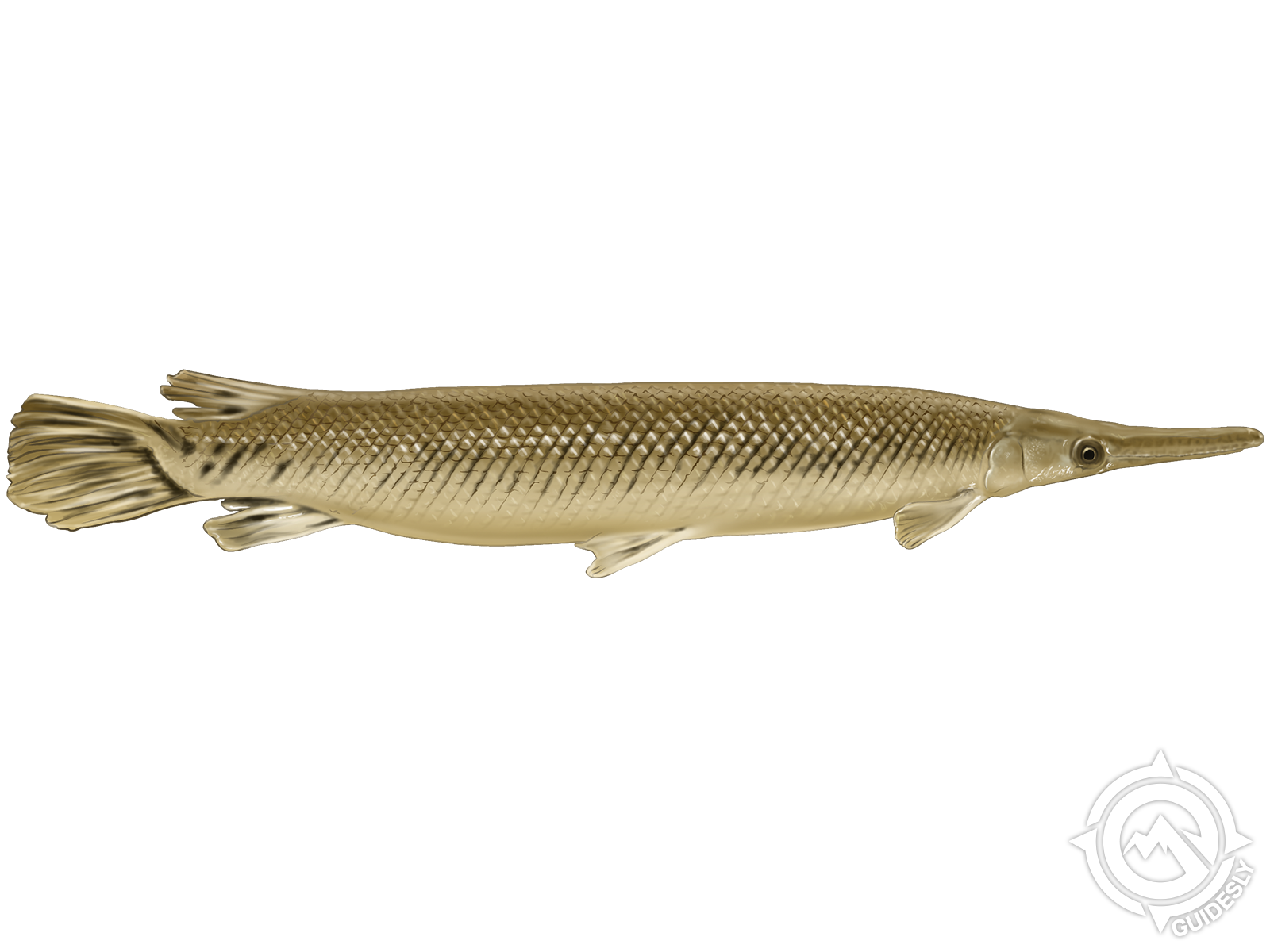
Alligator Gar represent one of the most prehistoric encounters you can have underwater, with their armored scales and elongated snout making them look like living fossils. These impressive fish can grow to massive sizes, with large specimens reaching eight feet or more, though smaller individuals in the three to four foot range are more commonly encountered by divers. They're typically found in areas where freshwater meets saltwater, and their behavior is quite different from most fish – they're ambush predators that can remain motionless for extended periods before striking with lightning speed. What makes alligator gar particularly exciting for divers is their ancient appearance and calm demeanor around humans. They're most active during warmer months and often rest in deeper areas during the day, making them a special treat when encountered during a dive.
Plan Your Next Dive
This personalized scuba diving experience offers something you won't find on crowded dive boats – the chance to explore underwater worlds at
Learn more about the animals
Albacore Tuna
These bullet-shaped speedsters are some of the most prized catches in deep ocean waters. Running 18-25 inches and 20-45 pounds, albacore have that classic tuna build with large pectoral fins and never stop moving - they need constant motion for oxygen. You'll find them in temperate and subtropical waters, traveling in massive schools up to 19 miles wide. Spring through summer is prime time when they're spawning and feeding during daylight hours. What makes them special? That famous white meat - albacore is the only tuna that can legally be sold as "white meat tuna." They put up a solid fight and taste amazing. Pro tip: when trolling, keep lures 50-90 feet behind the boat and focus on landing that first fish quick - if it gets away, the whole school often follows.
Alligator Gar
These living dinosaurs are the largest freshwater fish in North America, reaching 4-6 feet and 100-160 pounds. With their alligator-like heads, razor teeth, and bone-like scales, they look prehistoric because they basically are. You'll find them in southern rivers, lakes, and bayous, especially in deep bends near shallow pools. Late summer during hot, dry weather is your best shot when water levels drop. What draws people to gar fishing is the challenge - these ancient predators can breathe air and water, making them unique targets. They're ambush hunters that'll take everything from fish to birds. The fight is powerful but different from other species. Here's the key: use big baits like carp or mullet on treble hooks under bright bobbers. Be patient - they'll mouth bait before committing. Remember, these are catch-and-release only in most areas to protect these amazing fish.

Agujon Needlefish
These prehistoric-looking fish with their long, needle-like beaks and razor-sharp teeth are found throughout shallow waters and surface areas. They typically run around 35 inches, though they can hit 5 feet and 8 pounds. What makes them interesting is their behavior - males actually defend their feeding schools, and they're known for being aggressive bait stealers. You'll spot them cruising near reefs and in the water column, often coming to the surface to hunt. While their green-colored flesh isn't popular for eating, many guests enjoy the challenge and unique look of these fish. They're not picky eaters but can be tricky to hook properly. My advice: use sharp hooks and give a good jerk to set it - they'll mouth bait without getting hooked, and if they feel line pressure, they'll spit it out fast. Try shiny spoons or jerkbaits for best results.
African Pompano
Part of the jack family, these silvery, round-bodied fish are real travelers that can cover serious distances. Adults typically hang in 30-250 feet of water near the bottom of oceanic areas, while juveniles stay closer to shore and have that distinctive diamond shape with long trailing fins. They're fast swimmers with a thing for shiny, moving objects, which makes them fun to target. The current world record is just over 50 pounds from Florida waters. What guests love about pompano is their strong fight - jacks are known for their speed and power. They feed on crustaceans and small fish, so both live bait and jigs work well. Here's a local trick: since they're attracted to flash and movement, try working bright jigs with an erratic retrieve to trigger their predatory instincts.
About the Test Dune Buggy
%2F%2Fusers%2Fa79adb74-76a3-42fb-9008-e47f78bc9b1b%2Fvehicle_picture%2Fjet-skiiing.jpg&w=1920&q=75)
Vehicle Guest Capacity: 1